What to plant in Kvemo Kartli in August
August in Kvemo Kartli, Georgia, is characterized by hot, dry summer conditions with an average maximum temperature of 29.8°C and very low rainfall of 15.9mm. This period requires a transition toward autumn gardening, focusing on sowing cool-season crops that will mature during the cooler, wetter months of September and October. Warm-season crops cannot be sown in indoor seedbeds now, as the upcoming autumn months do not meet the temperature thresholds required by the anticipation rule.
Lleva Oflivio contigo
Descarga la app y obtén recomendaciones personalizadas para tu huerto

Siembra
Siembra recomendada
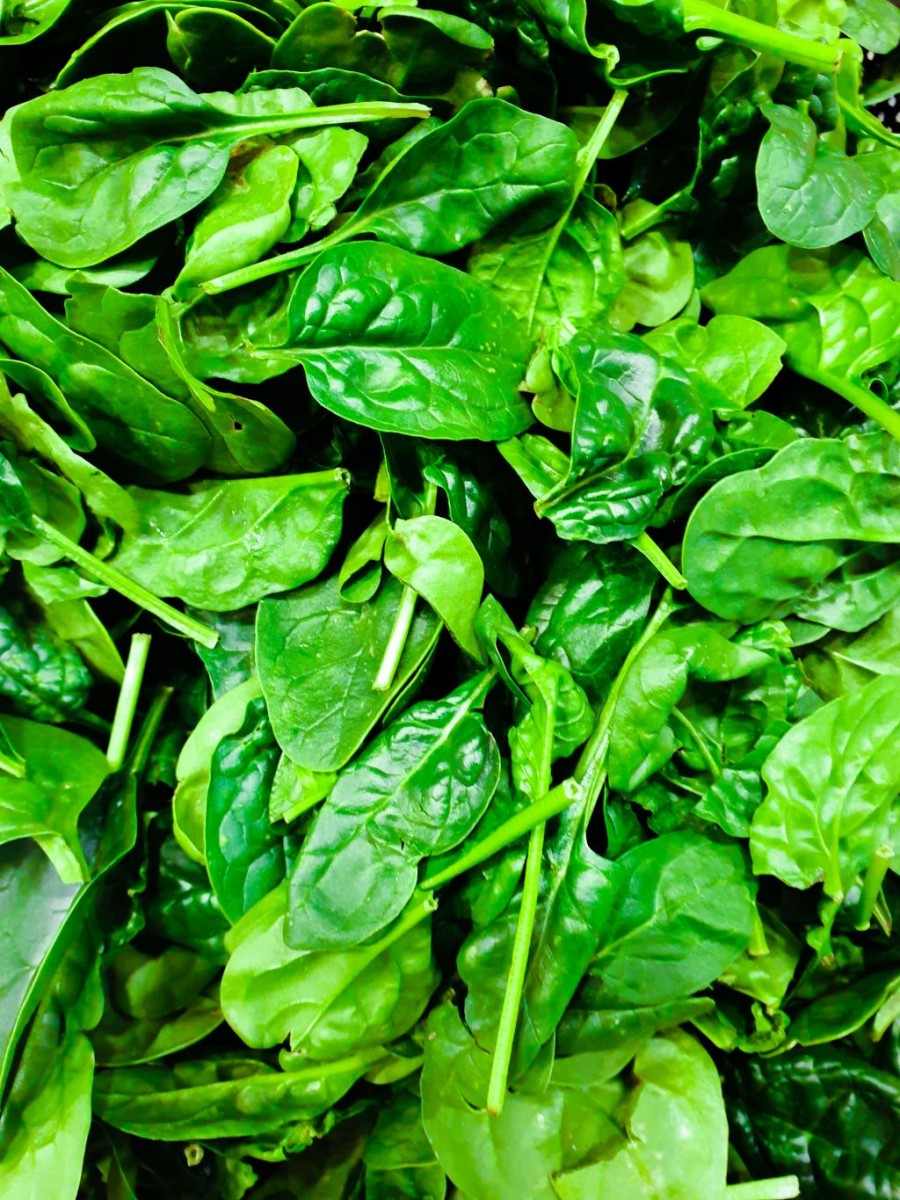
Spinach
Sow directly outdoors in late August as temperatures begin to moderate. Keep soil consistently moist to prevent premature bolting.
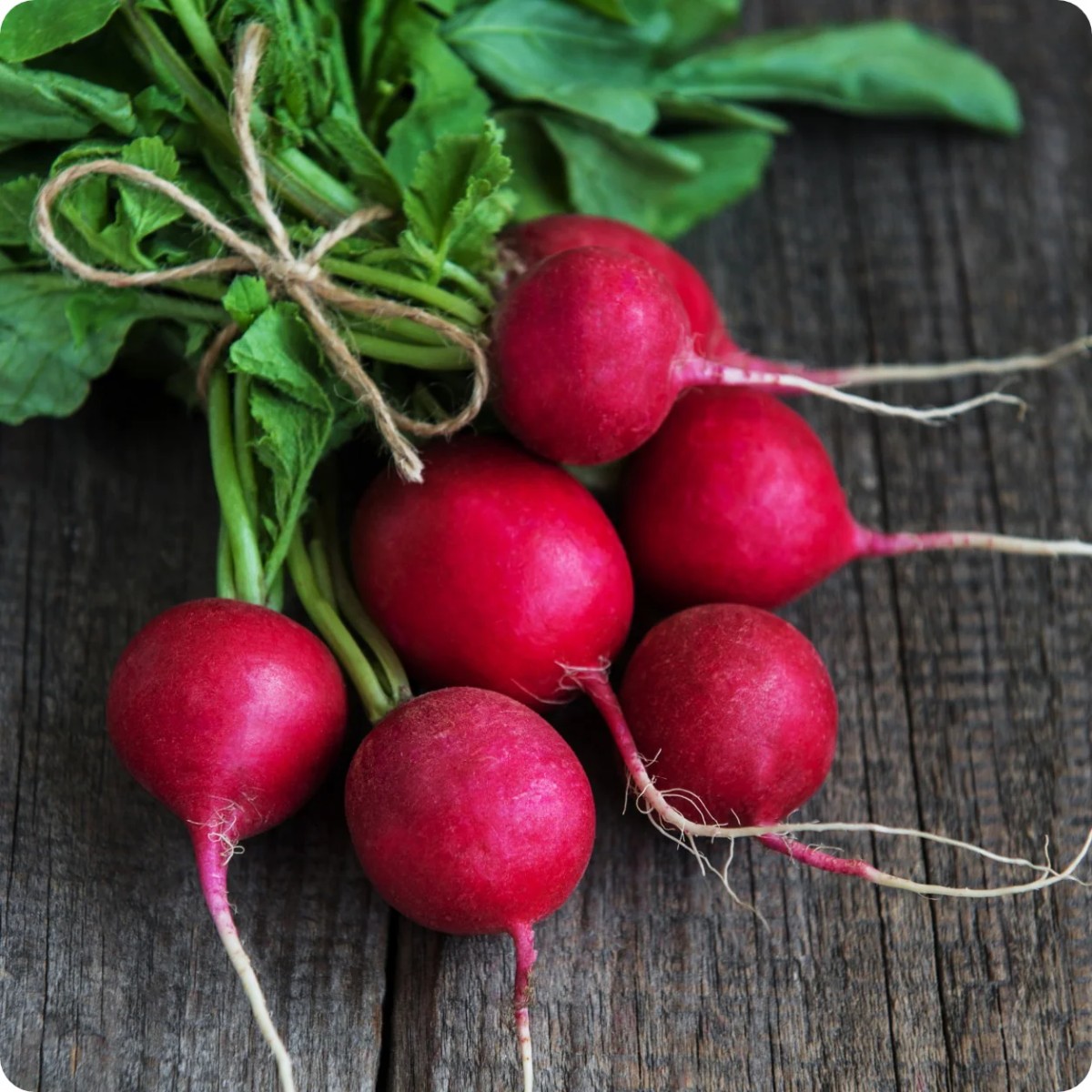
Radish
Sow directly into loose, well-draining soil. Ideal for filling gaps left by harvested summer crops.
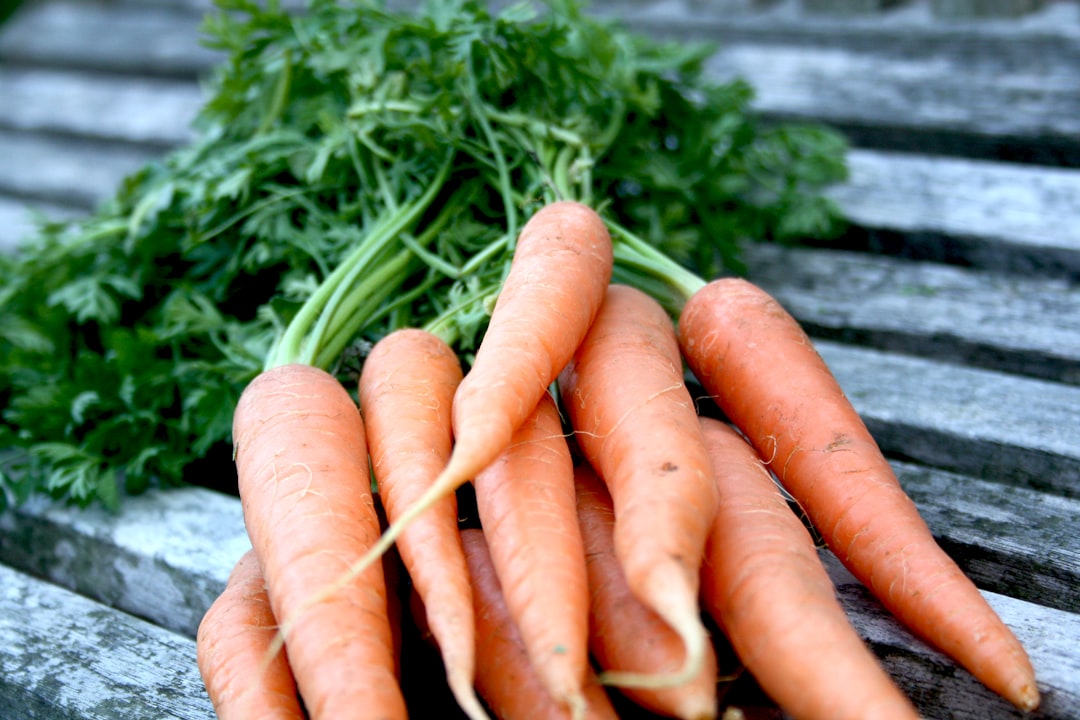
Carrots
Sow directly into deeply cultivated soil. Keep the seedbed shaded and damp with burlap until germination occurs to combat high evaporation rates.
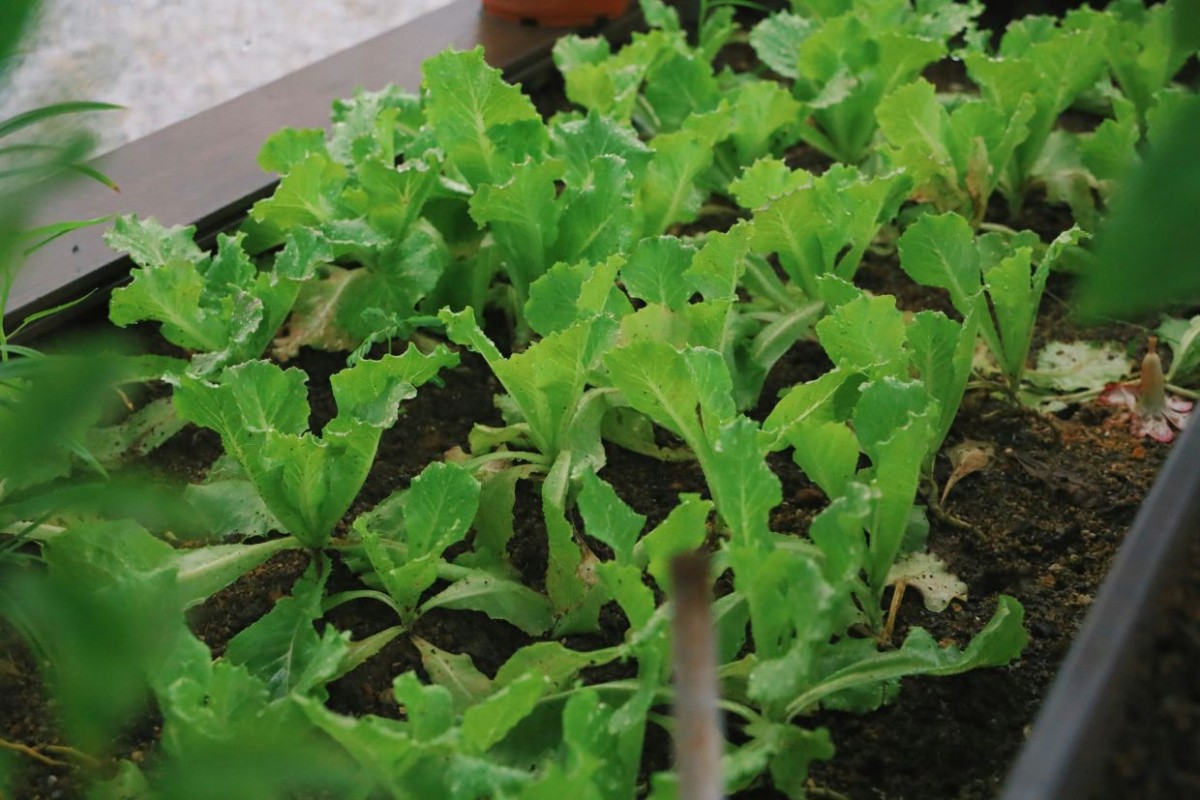
Arugula
Sow directly in successive batches every two weeks for a continuous autumn harvest.
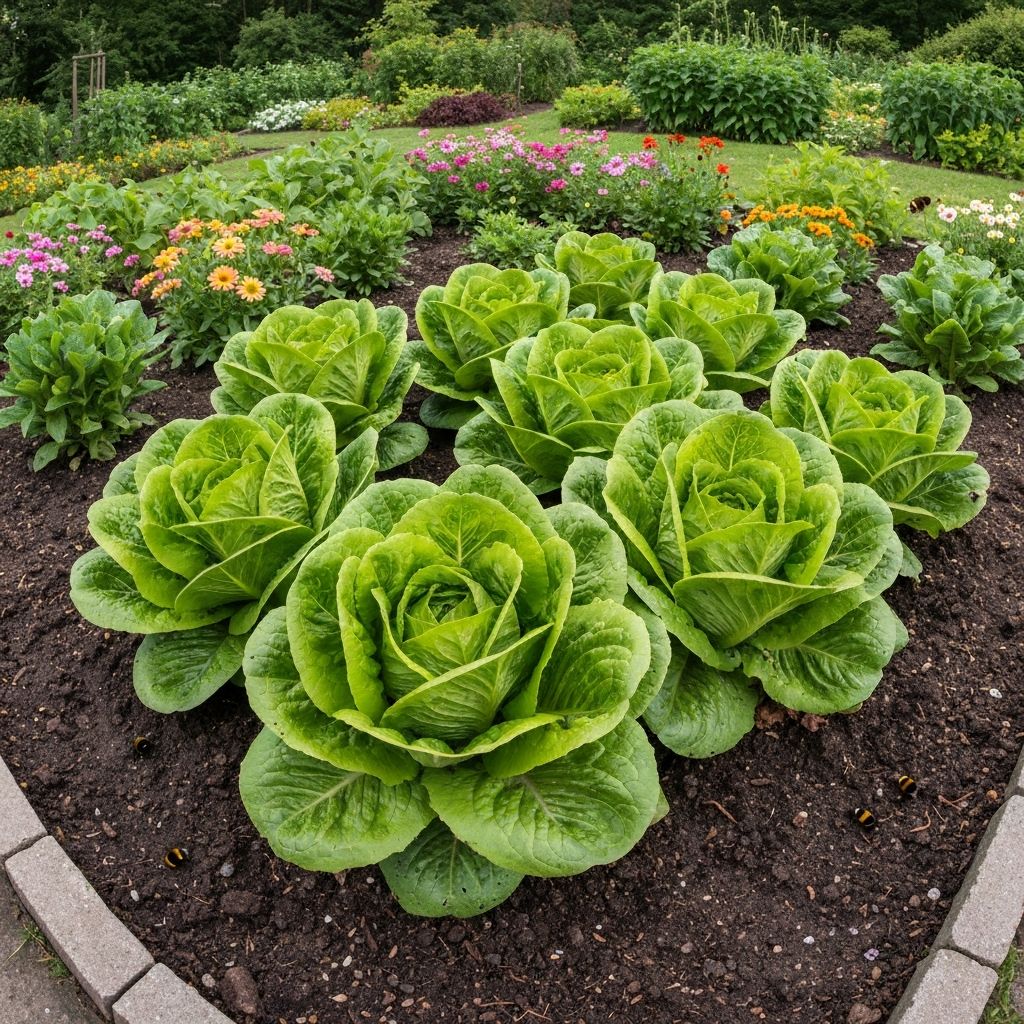
Lettuce
Sow directly or in outdoor seedbeds. Choose heat-tolerant varieties to prevent bitter taste and bolting.
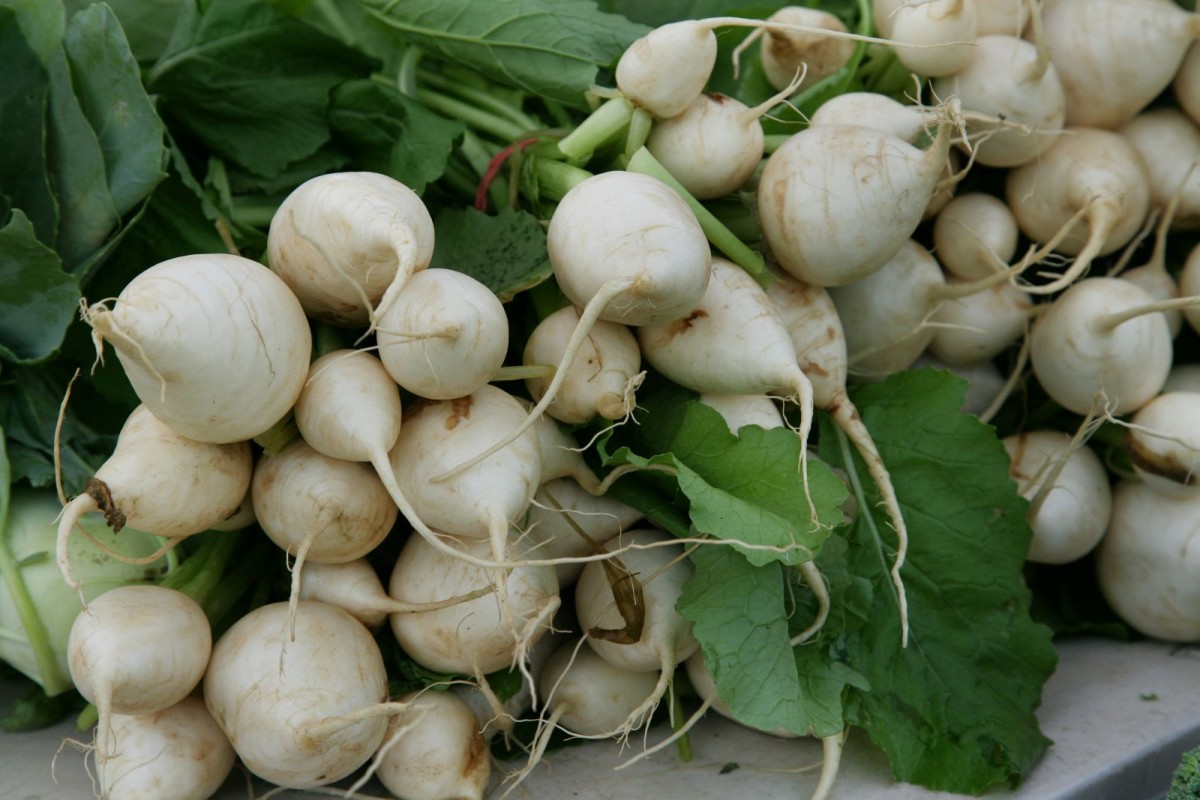
Turnip
Sow directly outdoors. Thin seedlings to 10 cm apart once established.
Planteles
Planteles
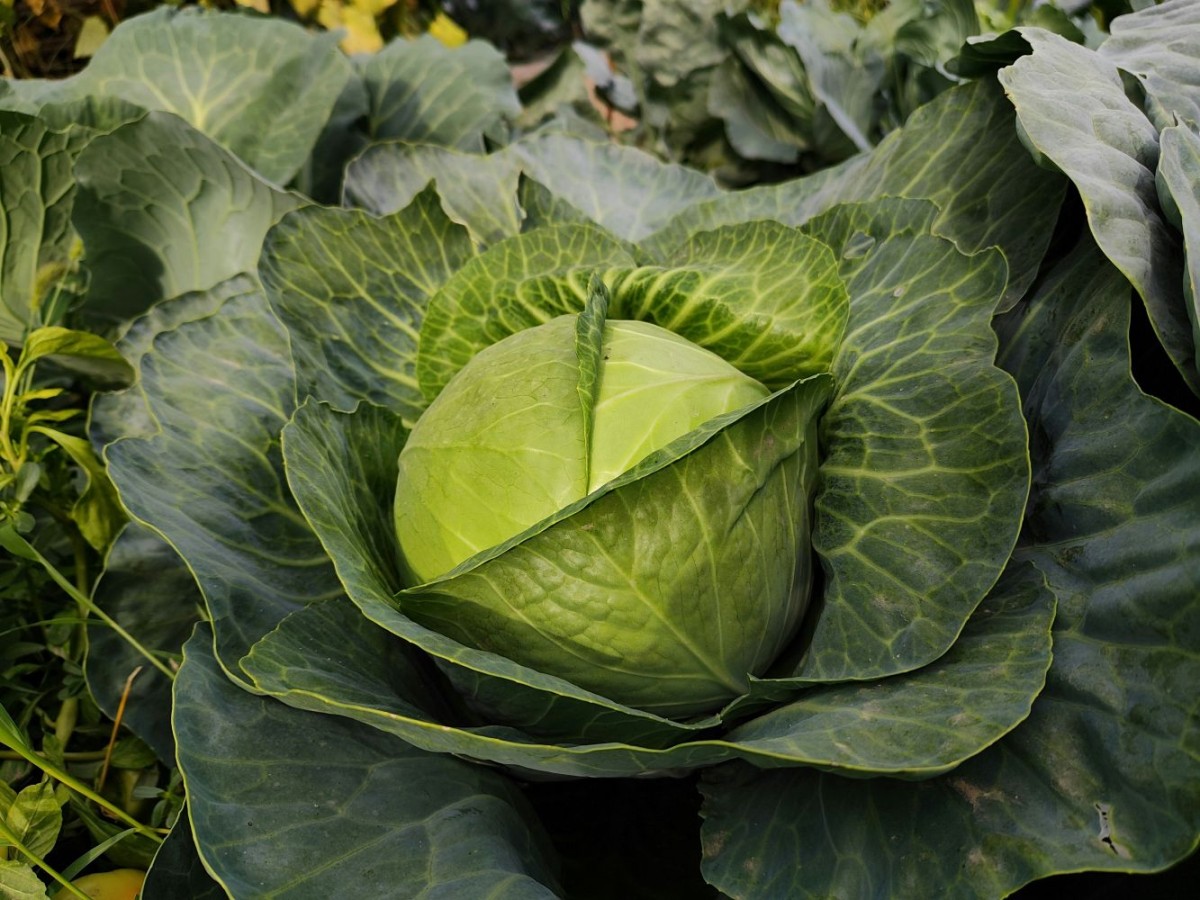
Cabbage
Transplant established seedlings outdoors. Ensure deep planting to support the stems.
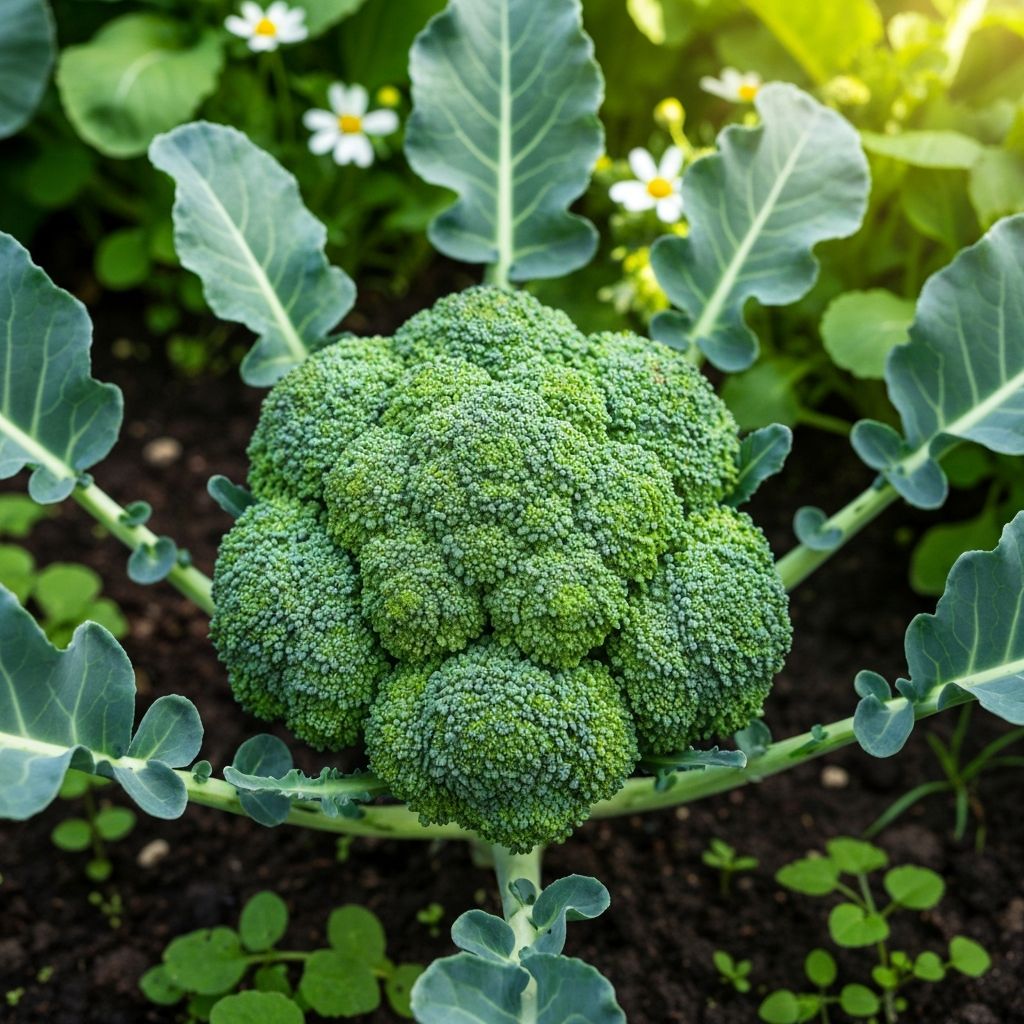
Broccoli
Transplant sturdy seedlings into fertile, compost-rich soil. Space plants 45 cm apart.
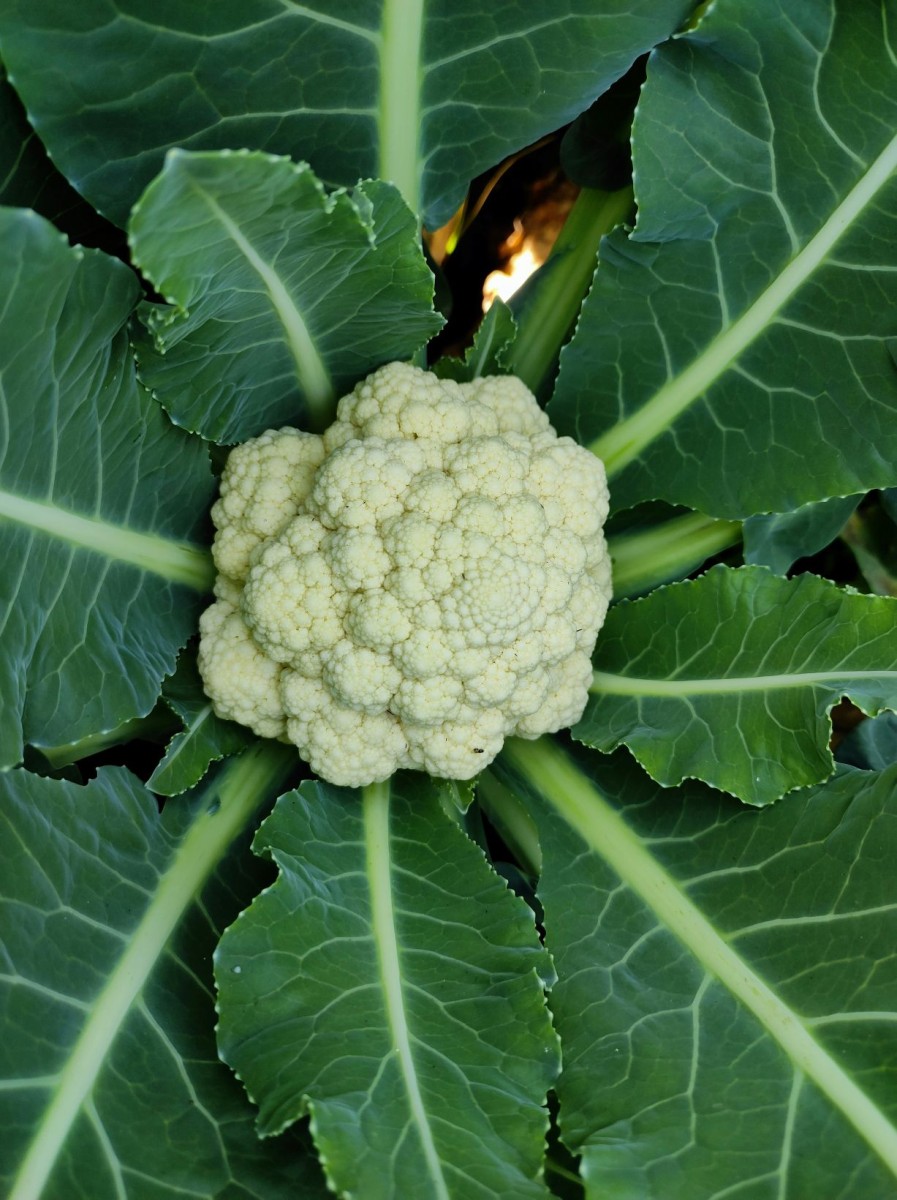
Cauliflower
Transplant seedlings outdoors. Protect young plants from intense afternoon sun immediately after transplanting.
Tareas
Tareas del mes
Apply a thick layer of organic mulch around all plants to conserve soil moisture and lower soil temperatures. Monitor crops daily for pests, particularly aphids and flea beetles, which thrive in dry summer conditions. Clean up spent summer crop residues to reduce pest habitats and prepare beds for autumn planting.