What to plant in Canary Islands in September
September marks the beginning of autumn in the Canary Islands, presenting favorable conditions for a wide range of cool-season crops. With average temperatures around 13.1°C and significant rainfall, this month is ideal for establishing hardy vegetables and preparing for the cooler months ahead. Gardeners can focus on direct sowing and transplanting robust seedlings that thrive in mild, moist conditions.
Leve o Oflivio com você
Baixe o app e receba recomendações personalizadas para sua horta

Semeadura
Semeadura recomendada
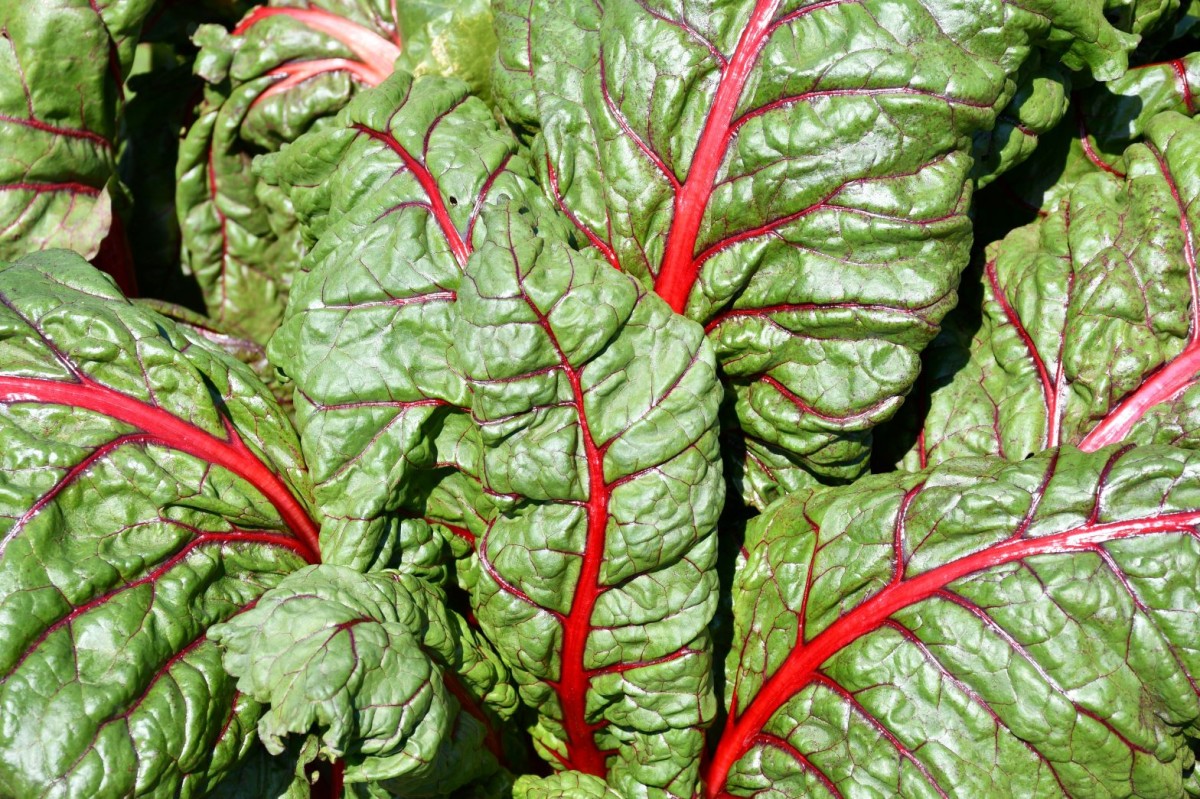
Acelga
Direct sow in well-drained soil. Thrives in cooler temperatures.
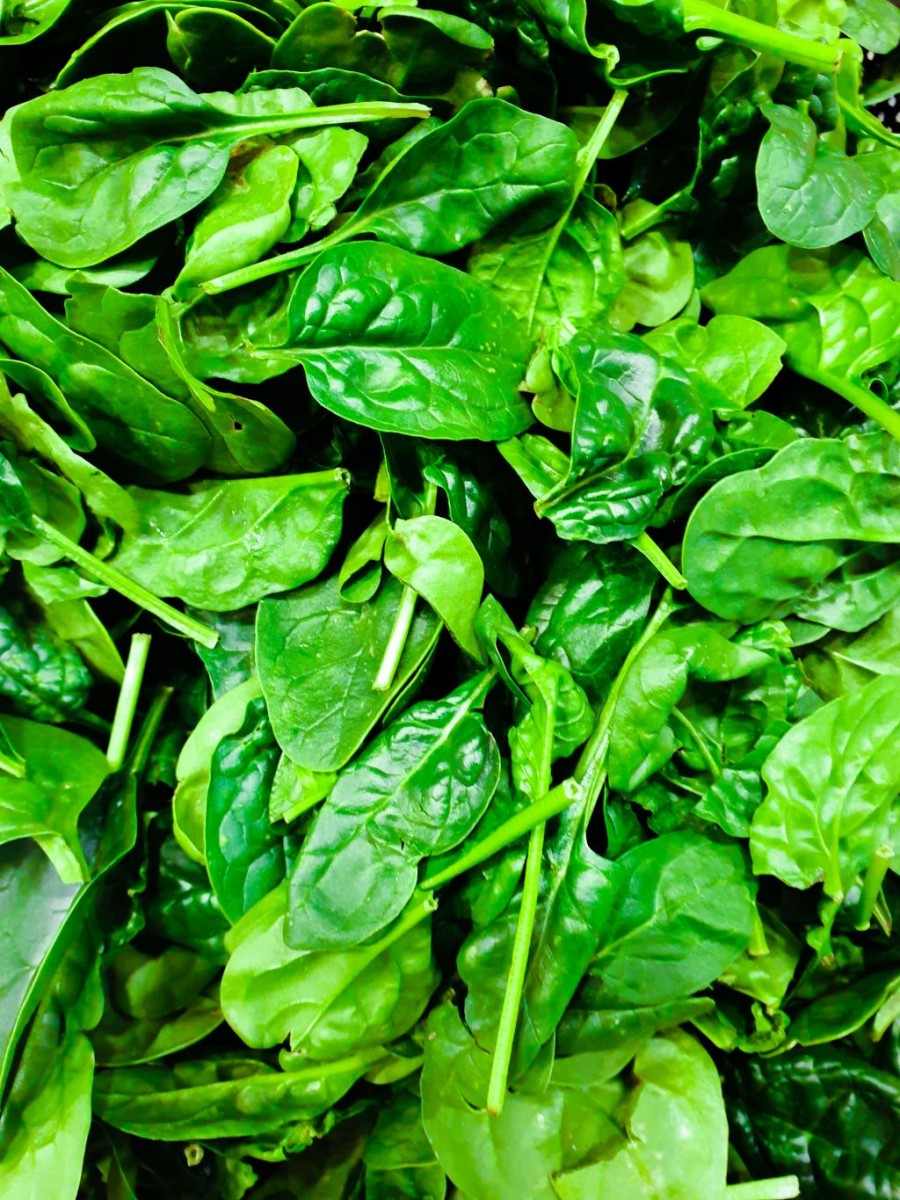
Espinaca
Direct sow. Benefits from fertile, moist soil. Good for successive planting.
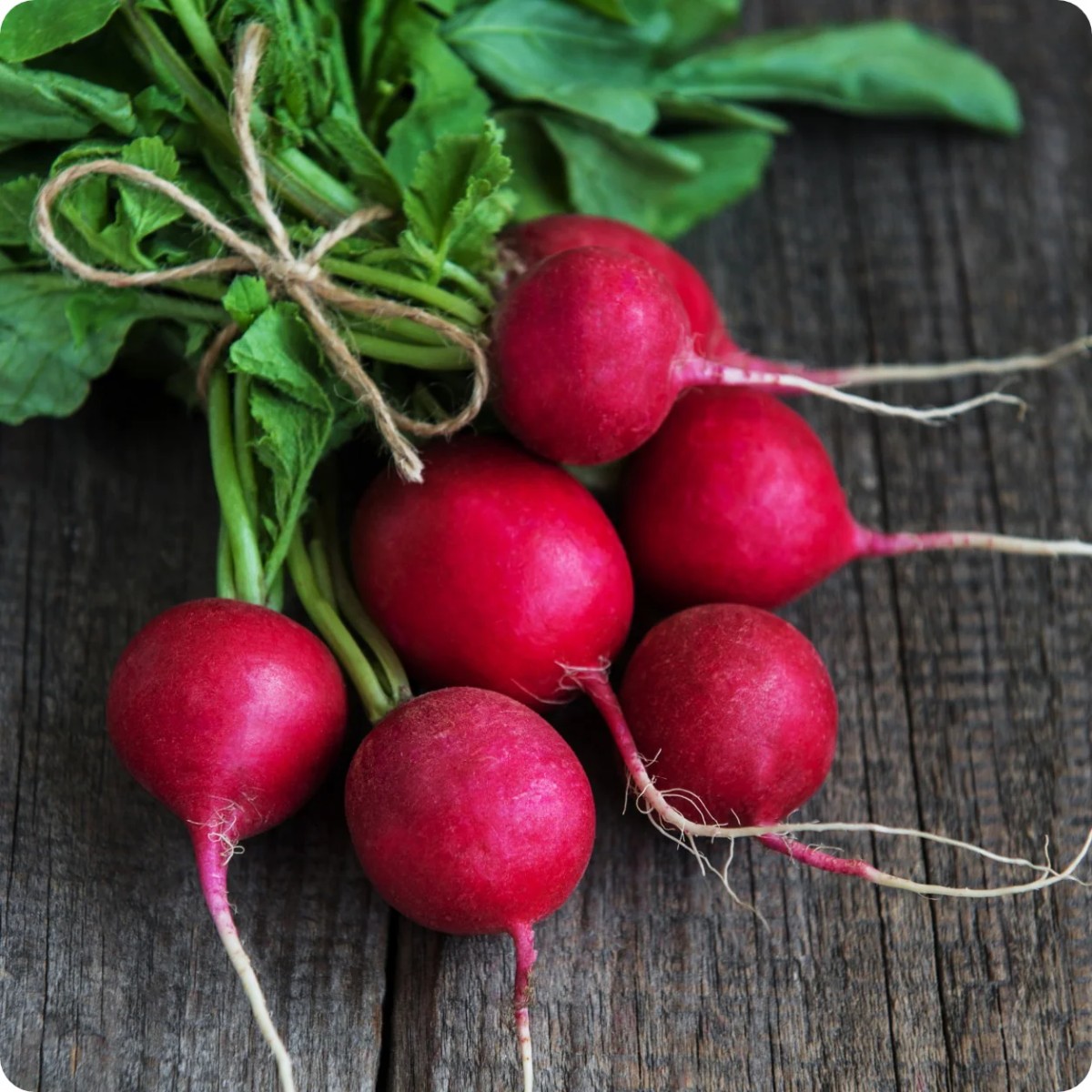
Rábano
Direct sow in loose, well-drained soil for best root development. Sow small batches every 2 weeks.
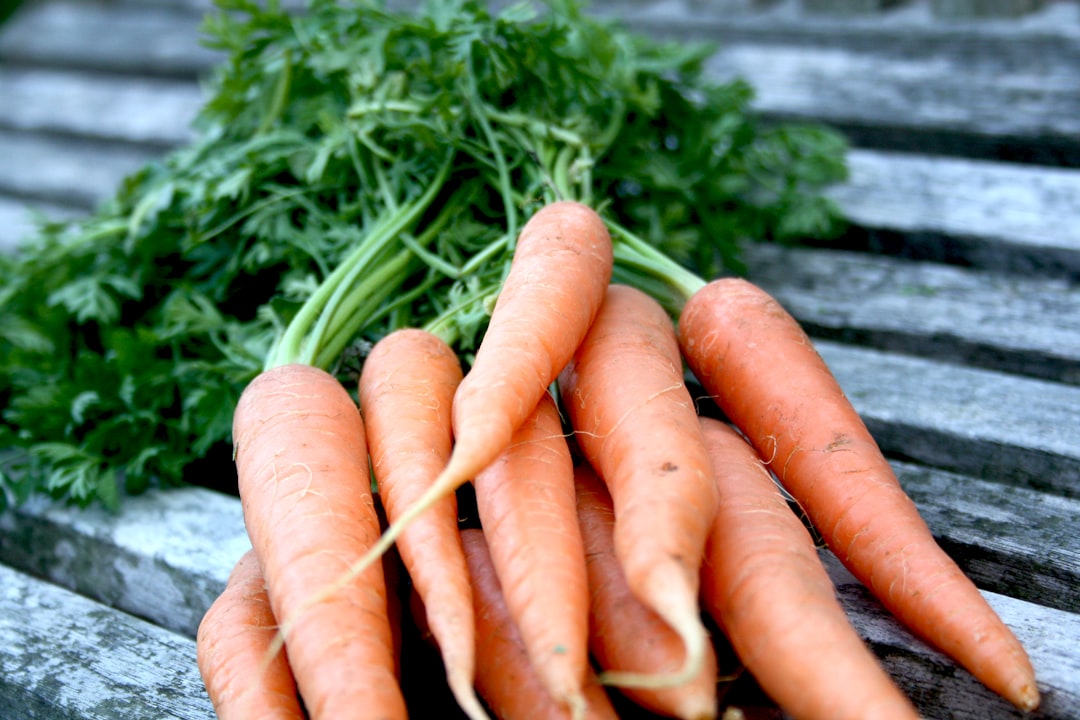
Zanahoria
Direct sow in deeply worked, stone-free soil to encourage straight roots. Thin seedlings.
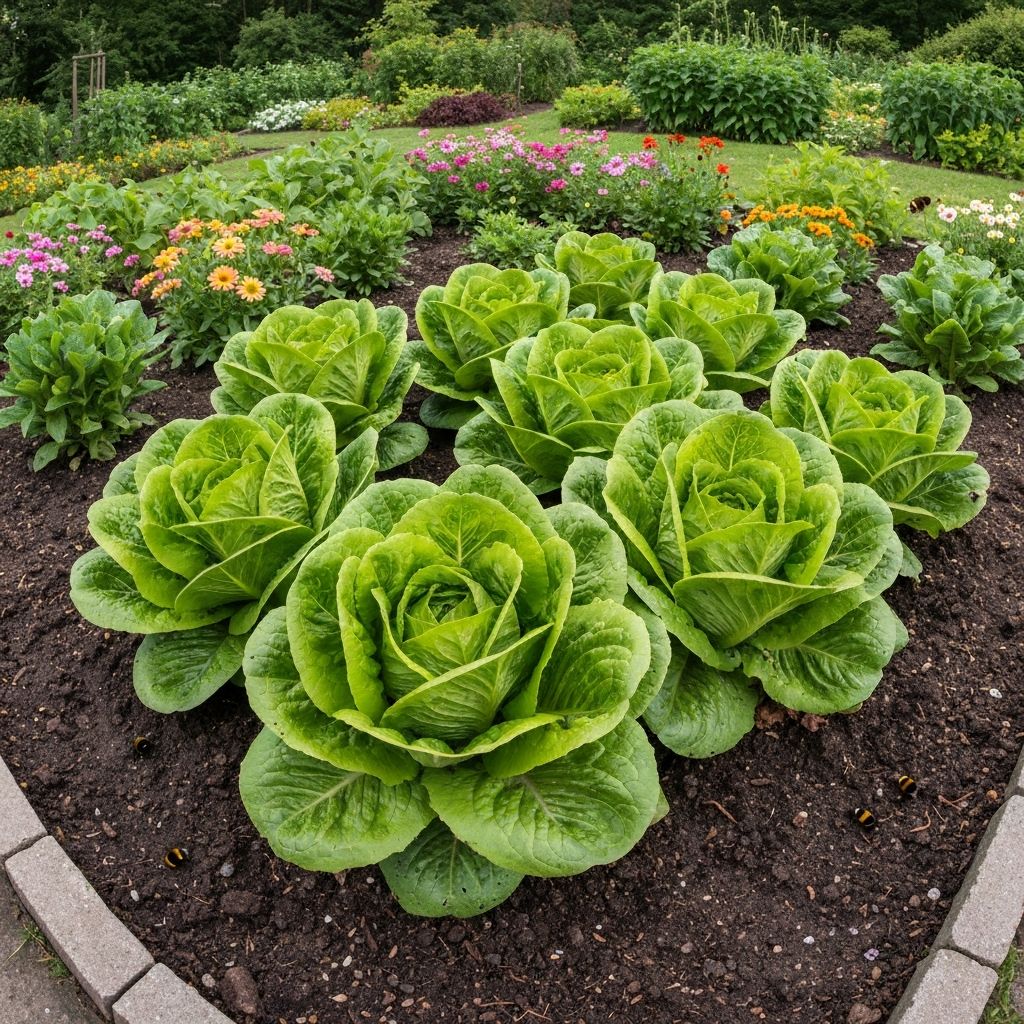
Lechuga
Direct sow or start in seedbeds. Protect from strong winds. Can be succession planted.
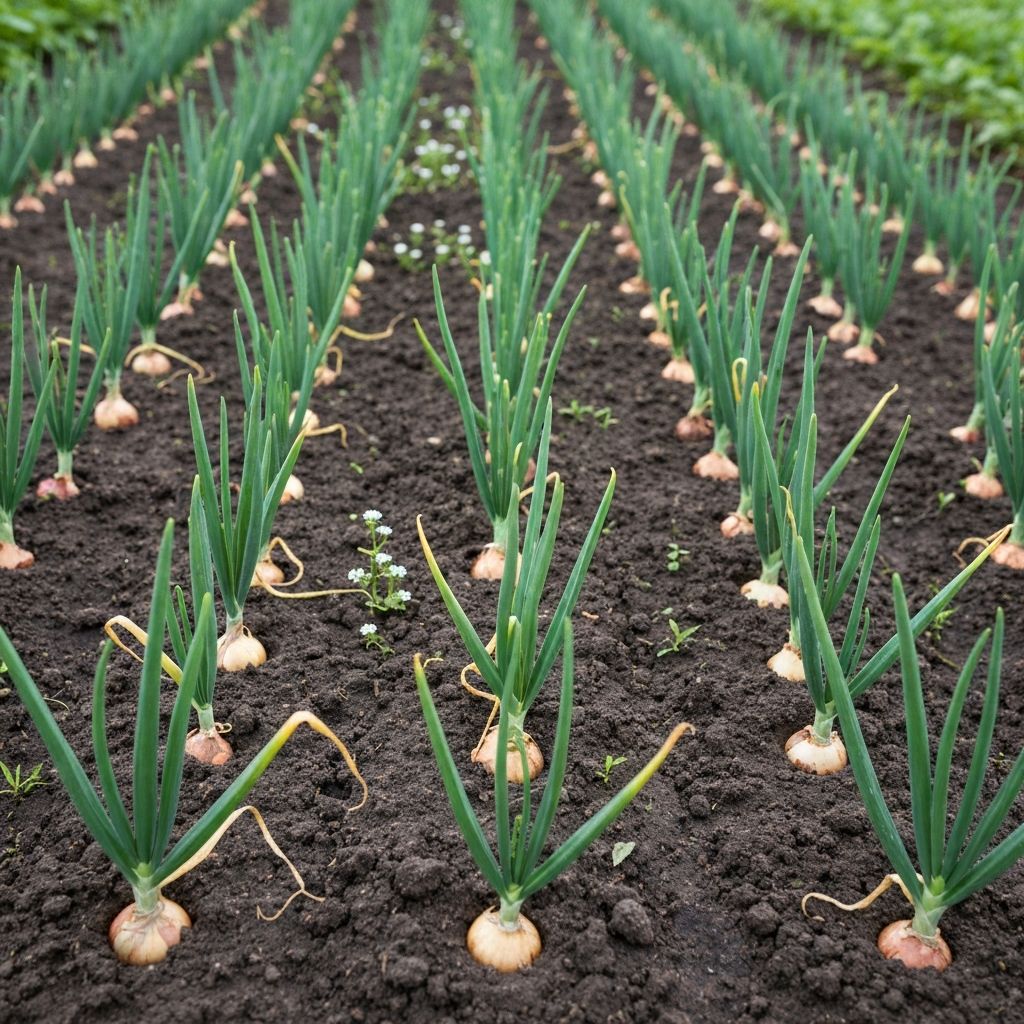
Cebolla
Direct sow seeds or plant sets. Requires good drainage and fertile soil.
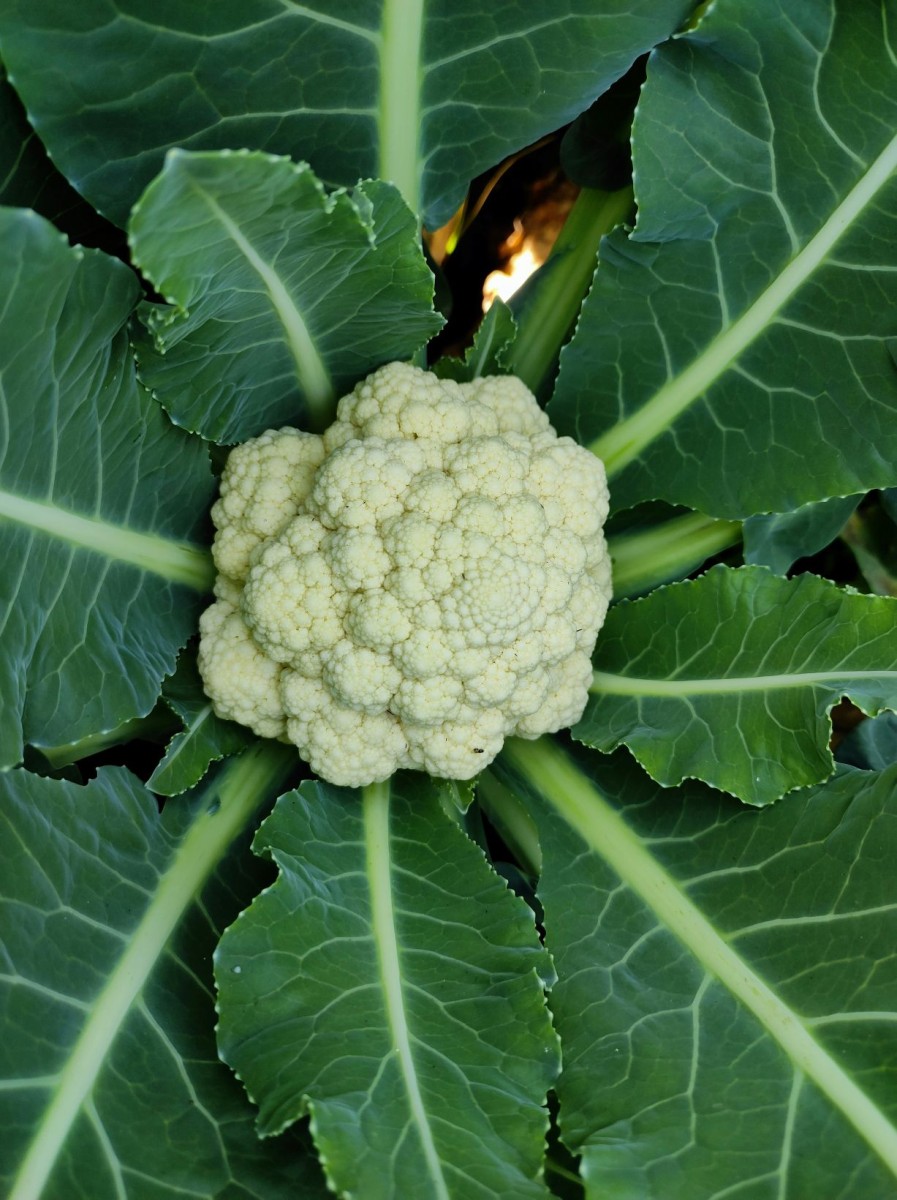
Coliflor
Sow in protected seedbed / indoor tray for transplanting in 4-6 weeks. Requires consistent moisture and nutrients.
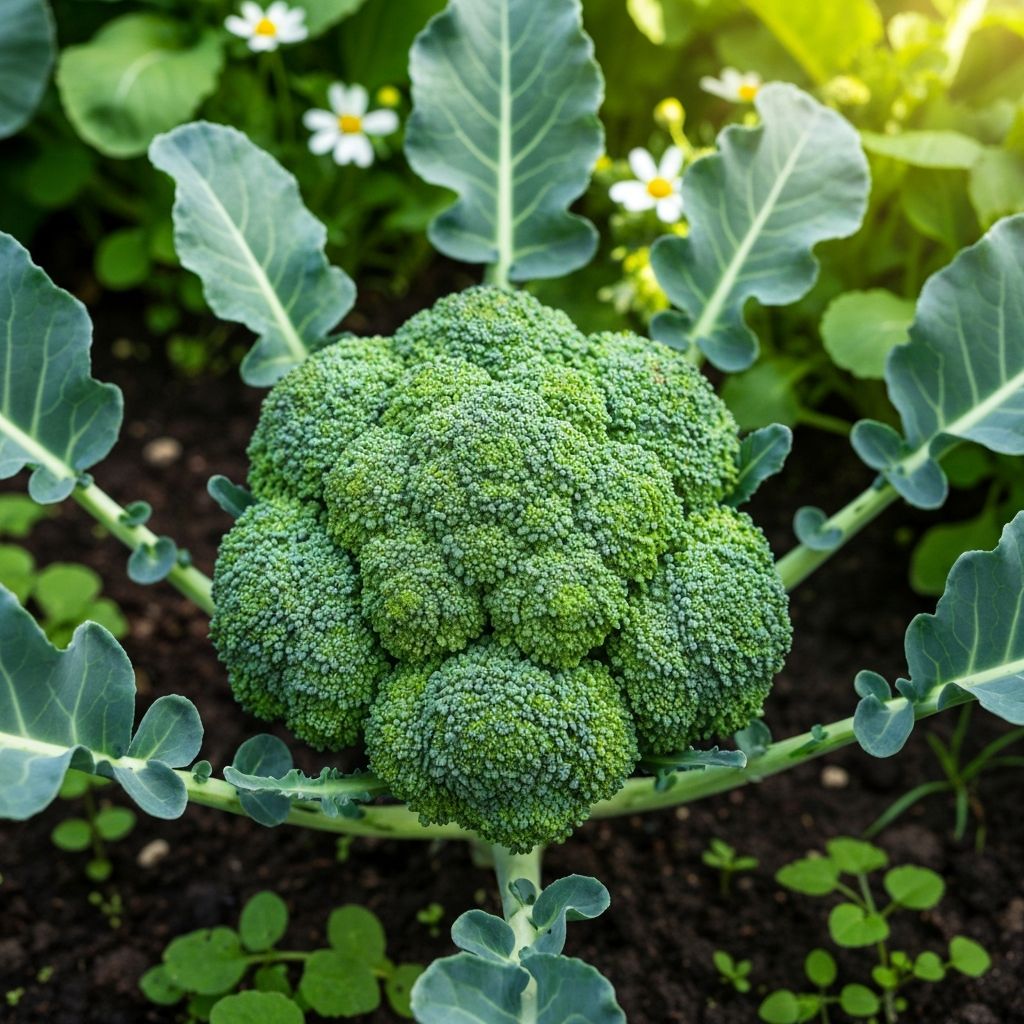
Brócoli
Sow in protected seedbed / indoor tray for transplanting in 4-6 weeks. Needs fertile soil and consistent moisture.
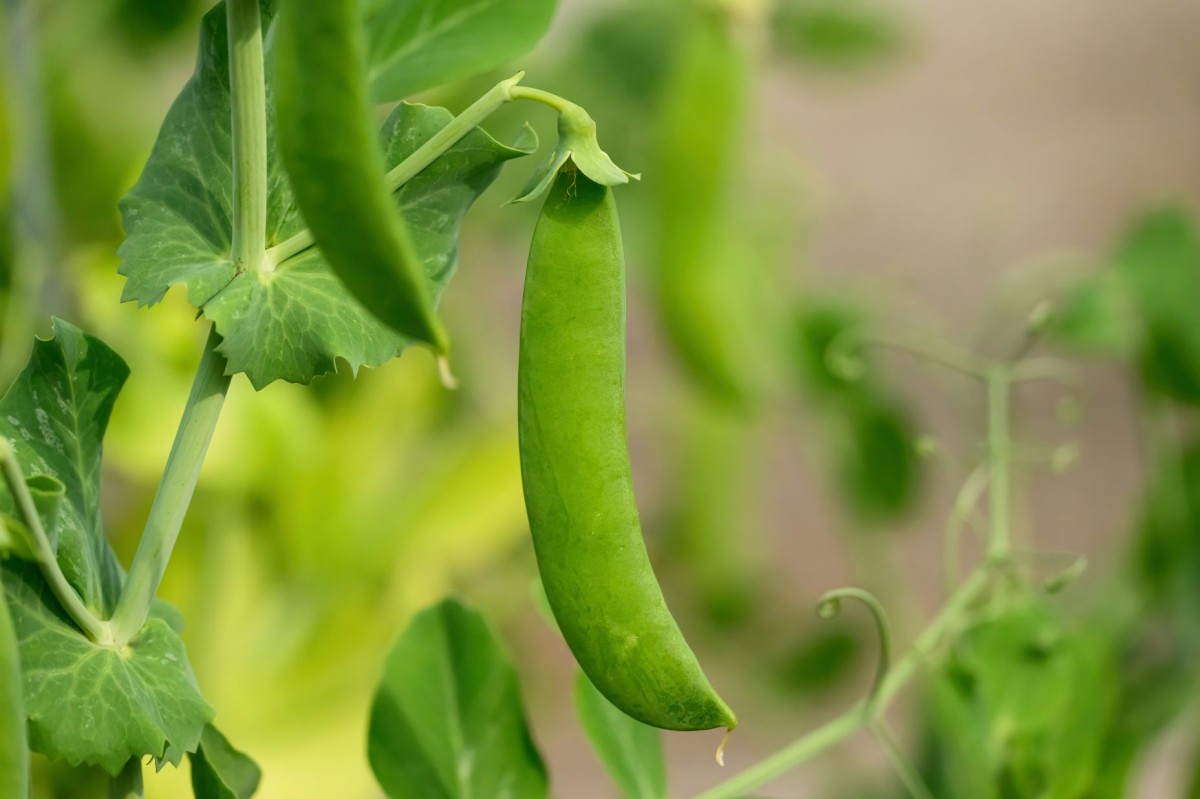
Guisantes
Direct sow in well-drained soil. Provide support for climbing varieties.
Mudas
Mudas
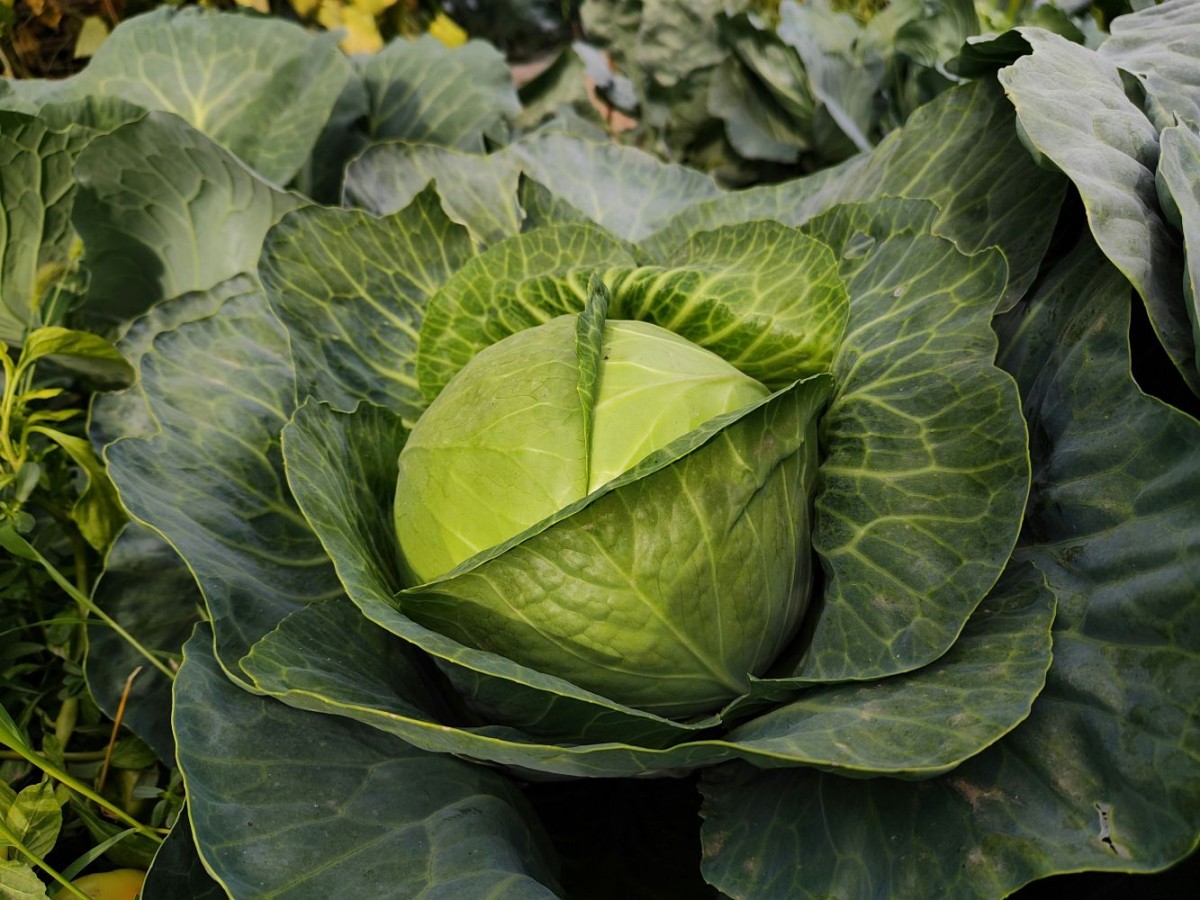
Col
Transplant established seedlings into well-prepared, fertile soil. Ensure adequate spacing.
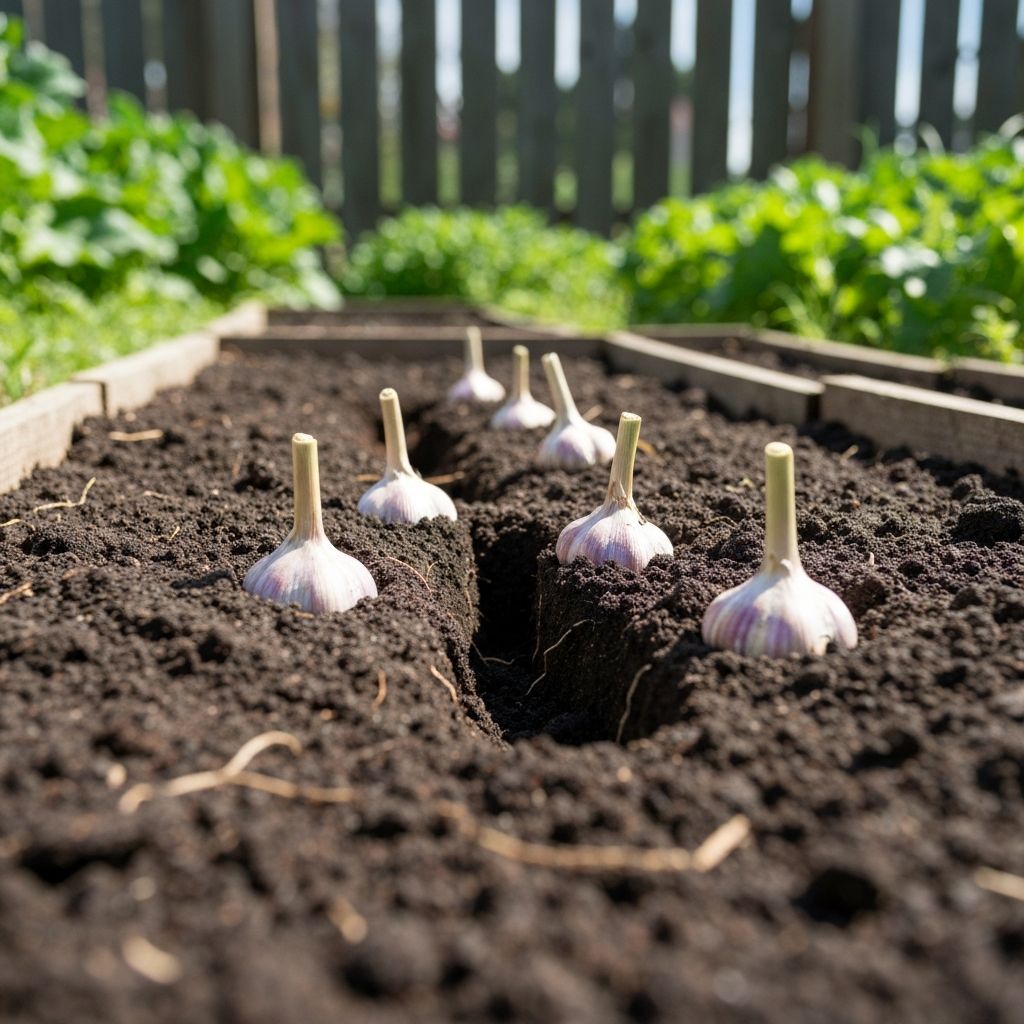
Ajo
Plant individual cloves, pointed end up, 5-7 cm deep. Requires well-drained soil.
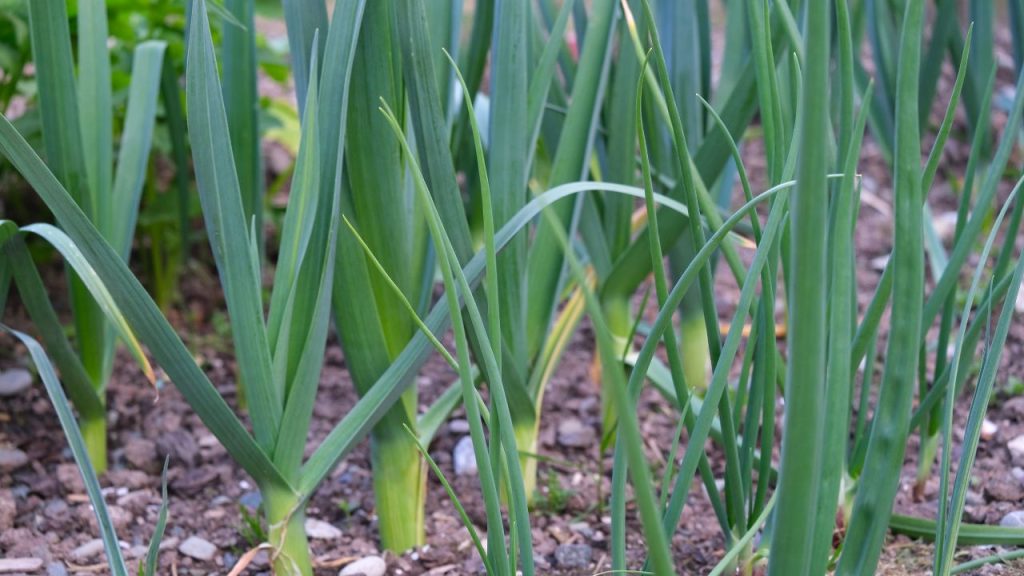
Puerro
Transplant seedlings into trenches or holes. Gradually fill in soil around stems to blanch.
Tasks
Monthly tasks
In September, focus on weeding diligently as increased moisture can encourage weed growth. Apply organic mulch to help retain soil moisture, regulate soil temperature, and suppress weeds. Monitor for early signs of pests and diseases, which can become more prevalent with changing weather patterns. Begin preparing garden beds for winter, adding compost and other soil amendments. Harvest summer crops that are still producing, and clear spent plants to prevent disease carryover.