What to plant in Cauca Department in September
September in the Cauca Department of Colombia is characterized by moderate temperatures and the transition toward the second wet season of the year. The consistent tropical highland climate (t_min > 5°C, t_avg >= 12°C) allows for full sowing of both cool-season and warm-season crops. Gardeners can take advantage of the increasing moisture to establish diverse vegetable crops directly in the ground or via seedbeds.
Take Oflivio with you
Download the app and get personalized recommendations for your garden

Sowing
Recommended sowing
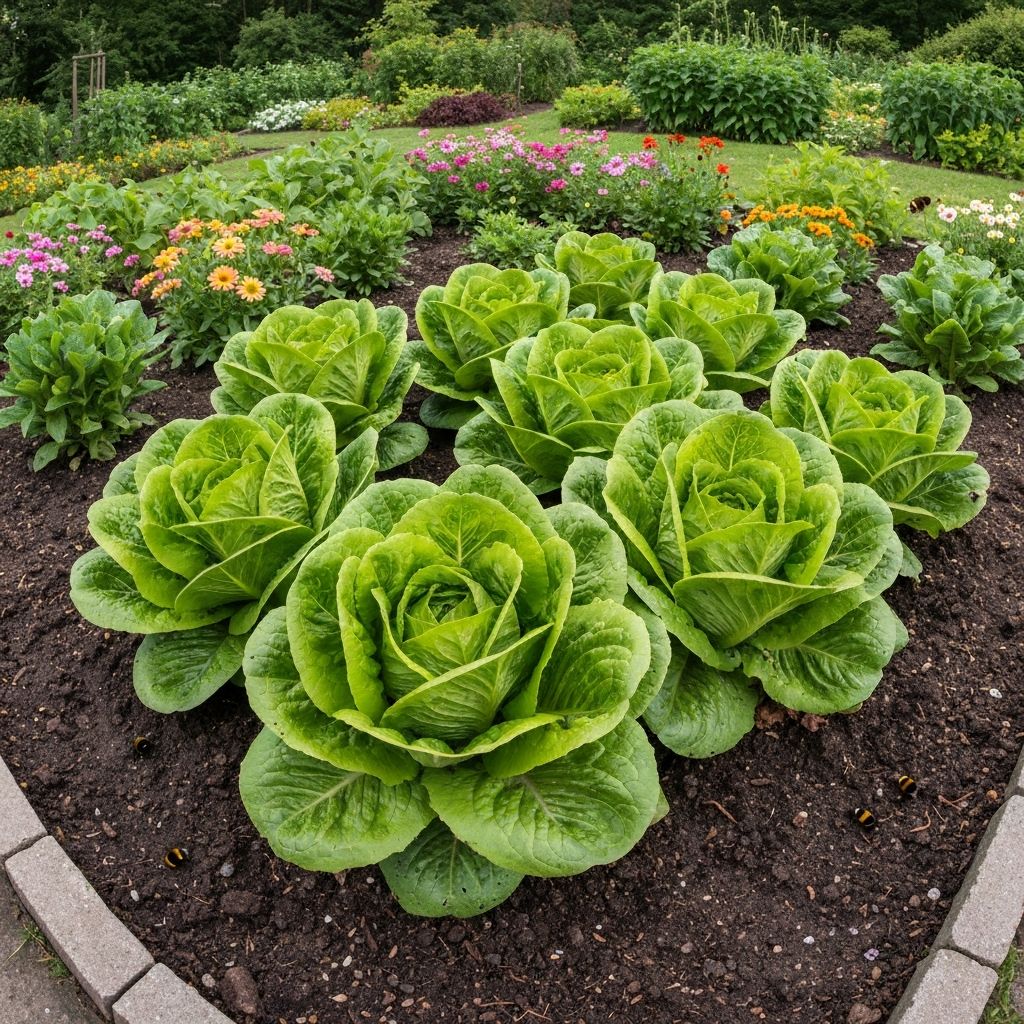
Lettuce
Sow in seedbeds or direct sow. Protect young seedlings from heavy afternoon downpours using light netting.
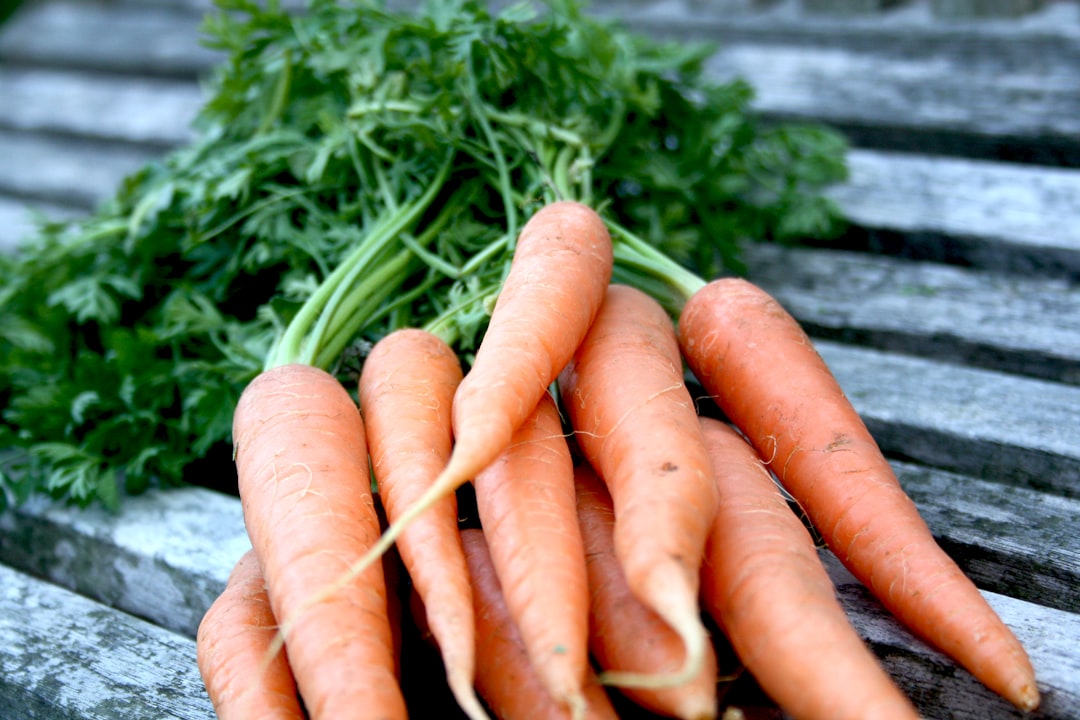
Carrot
Direct sow only. Ensure soil is loose and free of rocks to prevent deformed roots.
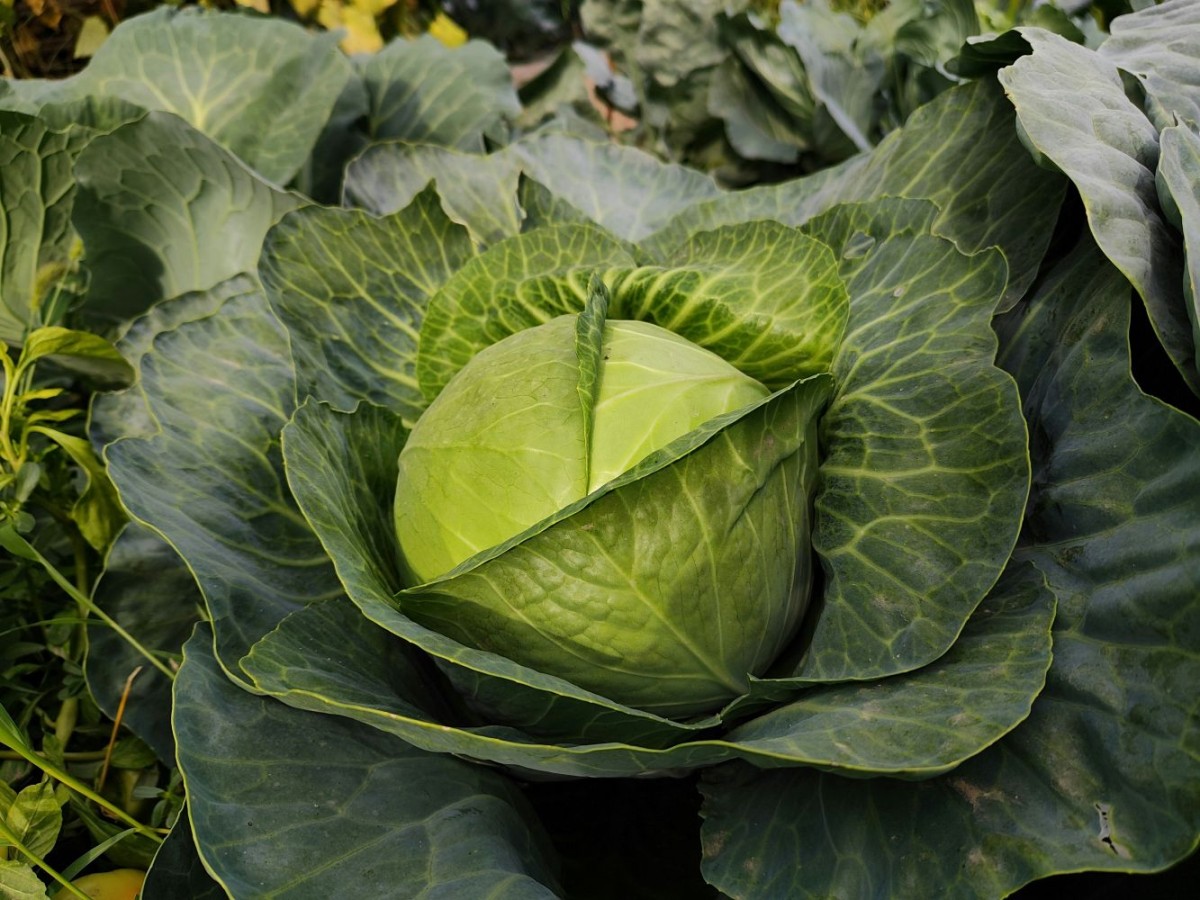
Cabbage
Sow in protected seedbeds and transplant when seedlings have 4-6 true leaves.
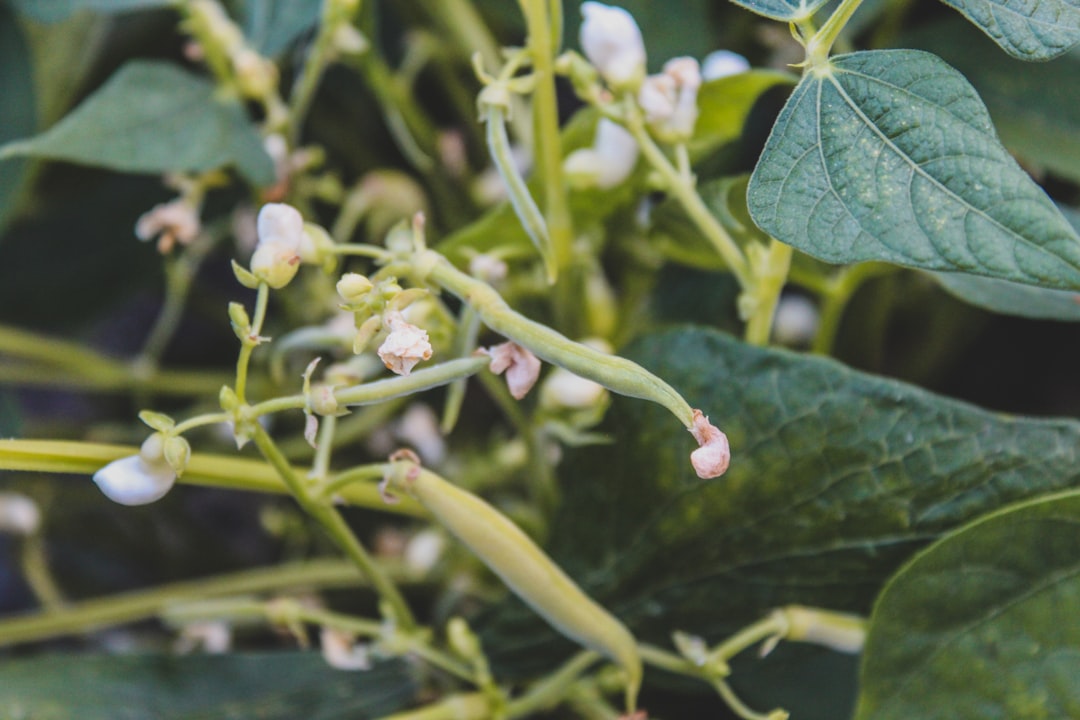
Bush Beans
Direct sow in well-drained beds. Avoid sowing in areas prone to standing water.
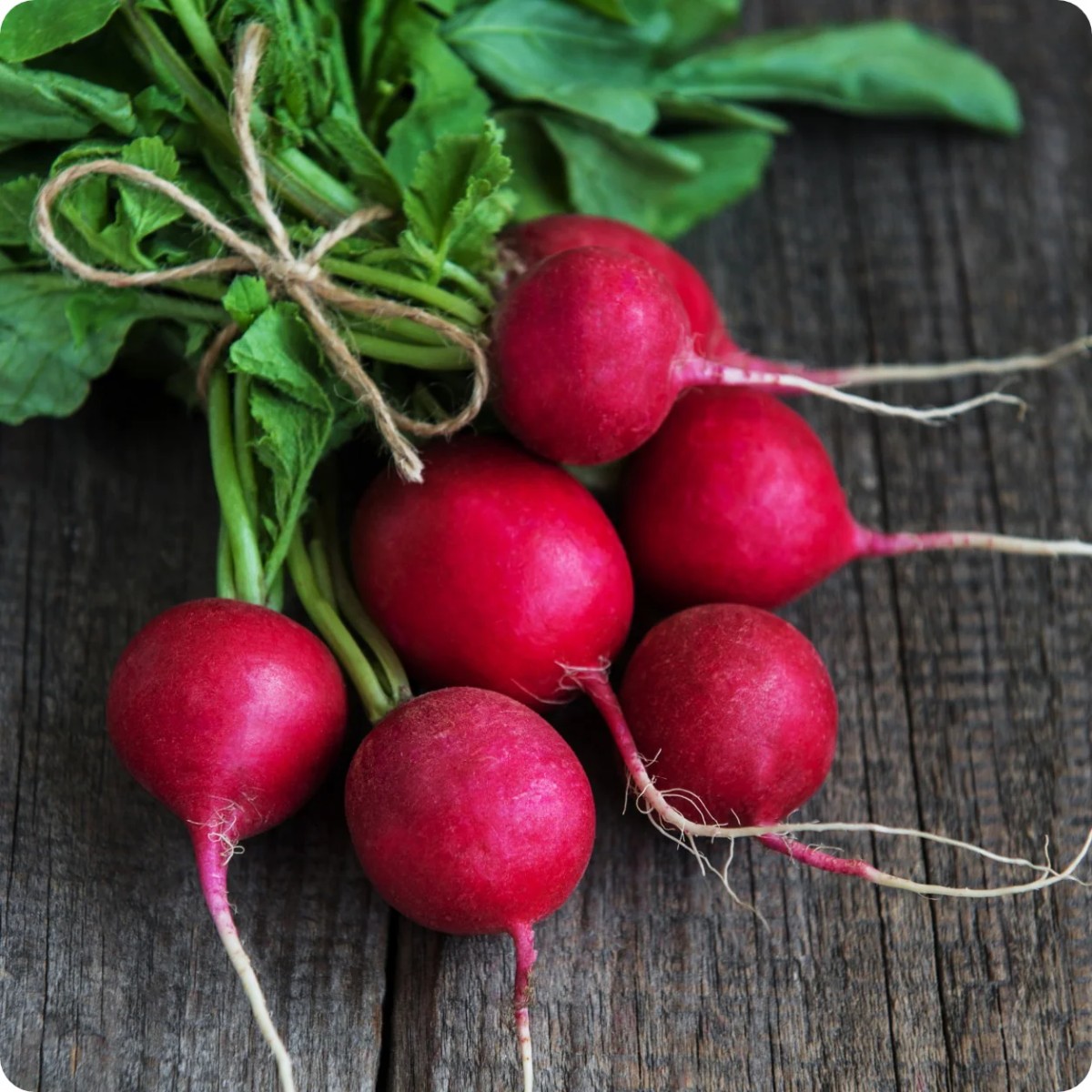
Radish
Direct sow continuously every two weeks for a constant supply.
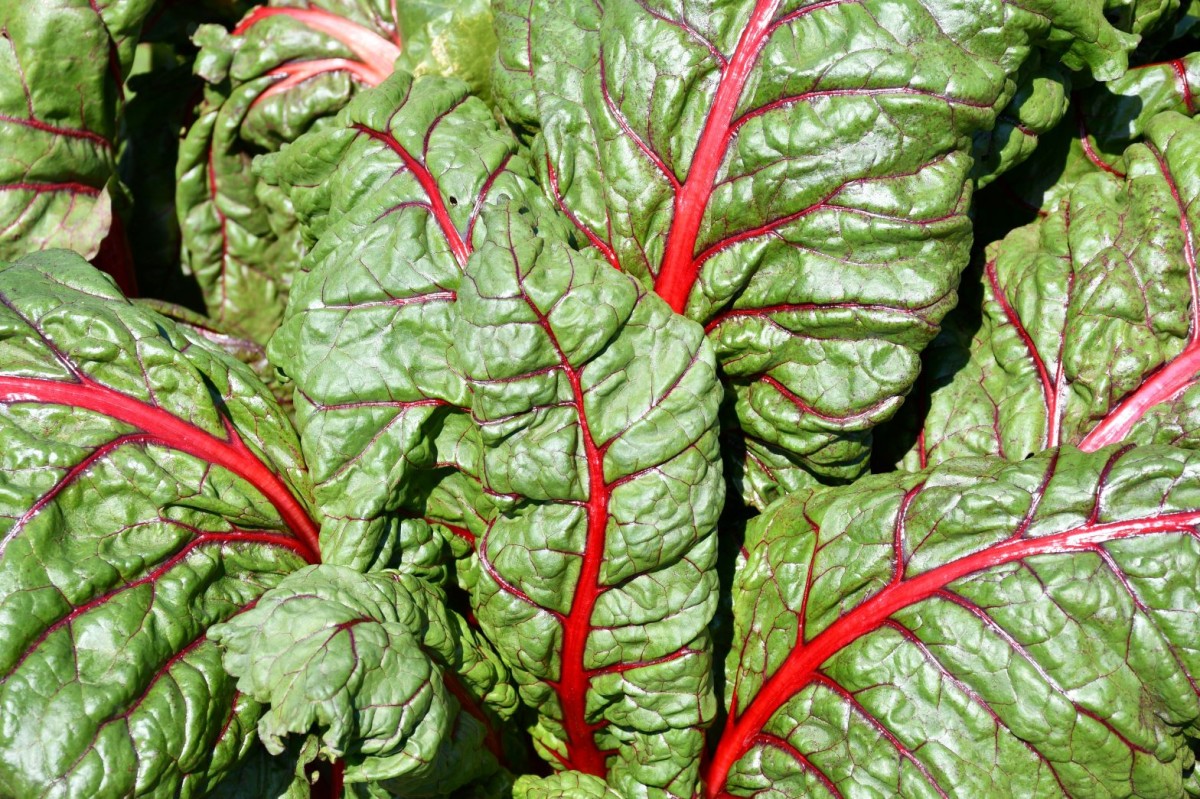
Swiss Chard
Sow in seedbeds or direct sow. Thrives in the mild highland temperatures of Cauca.
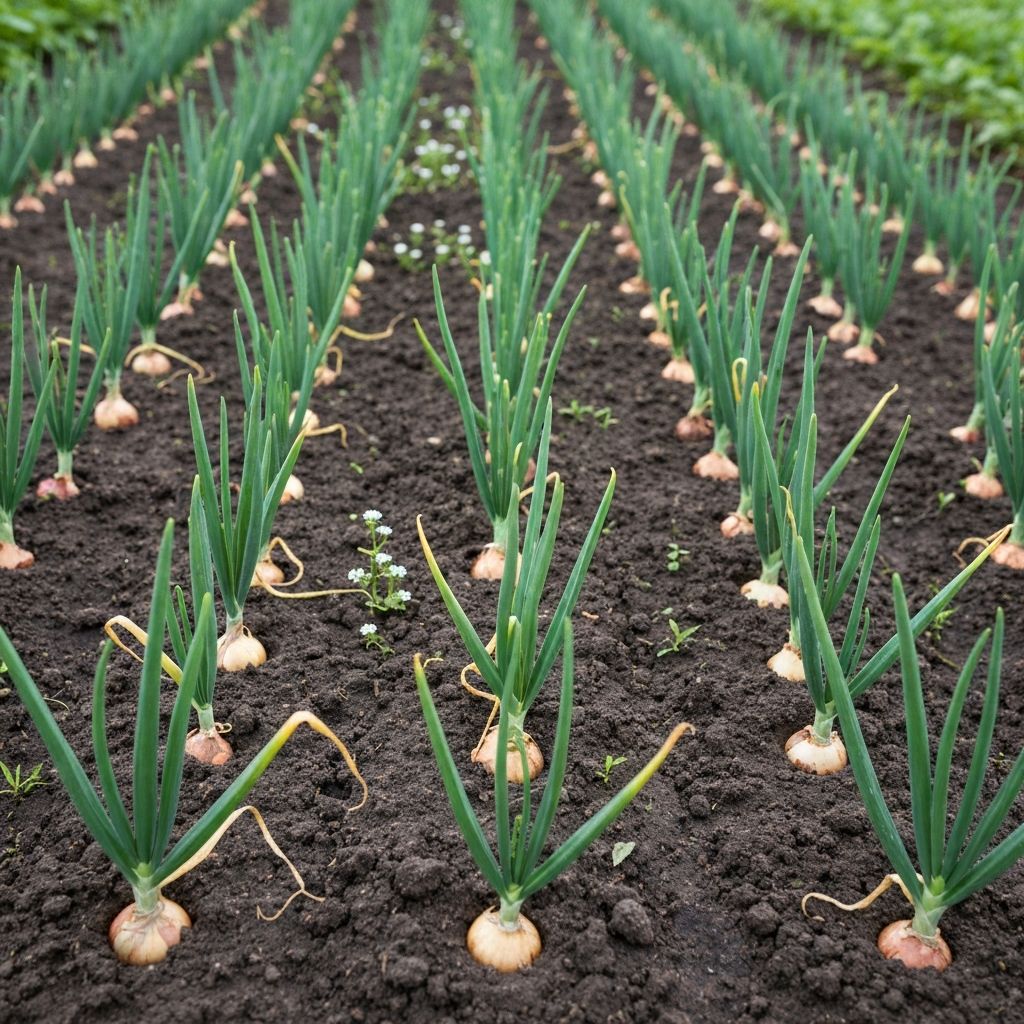
Onion
Sow in seedbeds. Transplant when stems reach pencil thickness.
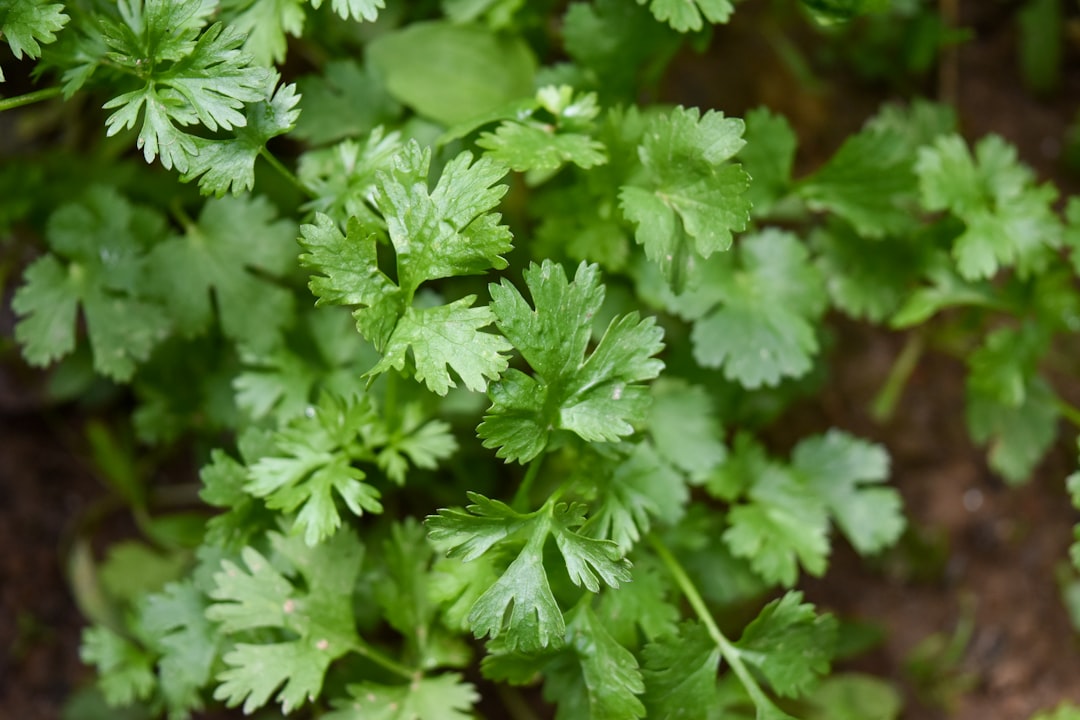
Coriander
Direct sow. Sensitive to transplant shock, so avoid moving established plants.
Seedlings
Seedlings
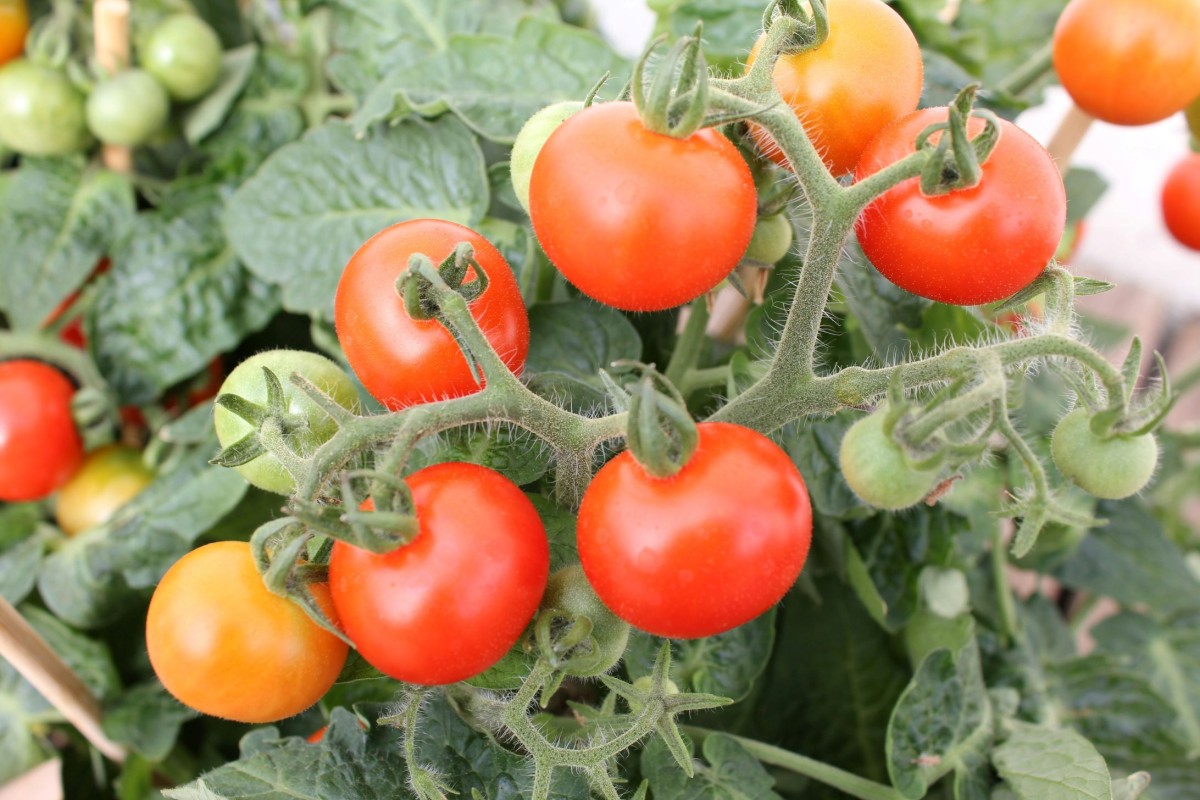
Tomato
Transplant sturdy, pre-grown seedlings. Provide strong stakes or trellises immediately to support growth.
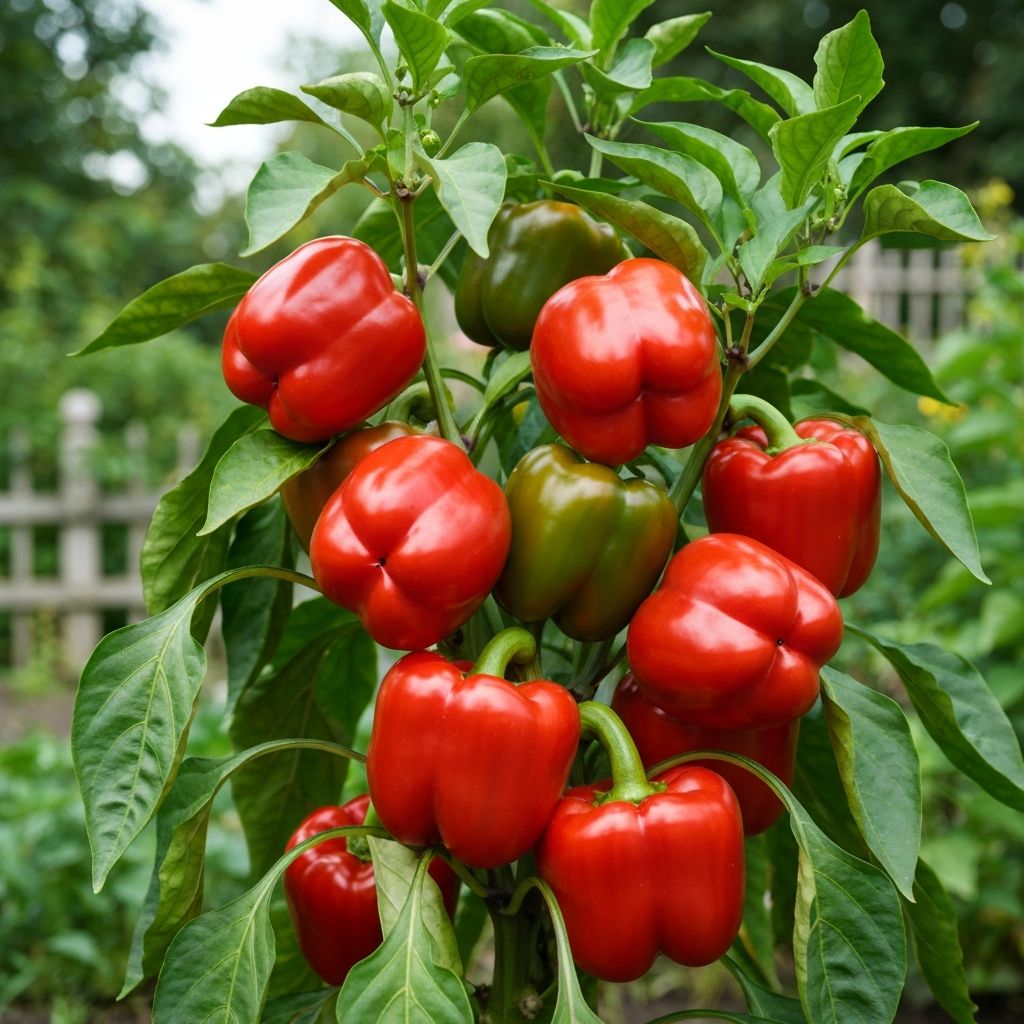
Bell Pepper
Transplant into well-draining soil rich in organic matter. Space plants 40 cm apart.
Tasks
Monthly tasks
Apply organic mulch around newly transplanted crops to protect the soil surface from compaction caused by heavy rains. Monitor plants daily for fungal pathogens like powdery mildew, which thrive in warm, humid conditions. Clear drainage channels around planting beds to prevent waterlogging as seasonal rainfall increases.