What to plant in Wisconsin in May
May in Wisconsin marks the transition into the primary growing season as average temperatures rise to 14.3°C, though frost risks persist with lows near 8.6°C. This period allows for the direct sowing of hardy crops and the indoor preparation of heat-loving varieties to capitalize on the significantly warmer conditions expected in June and July.
احمل Oflivio معك
حمّل التطبيق واحصل على توصيات مخصصة لحديقتك

Sowing
Recommended sowing
-
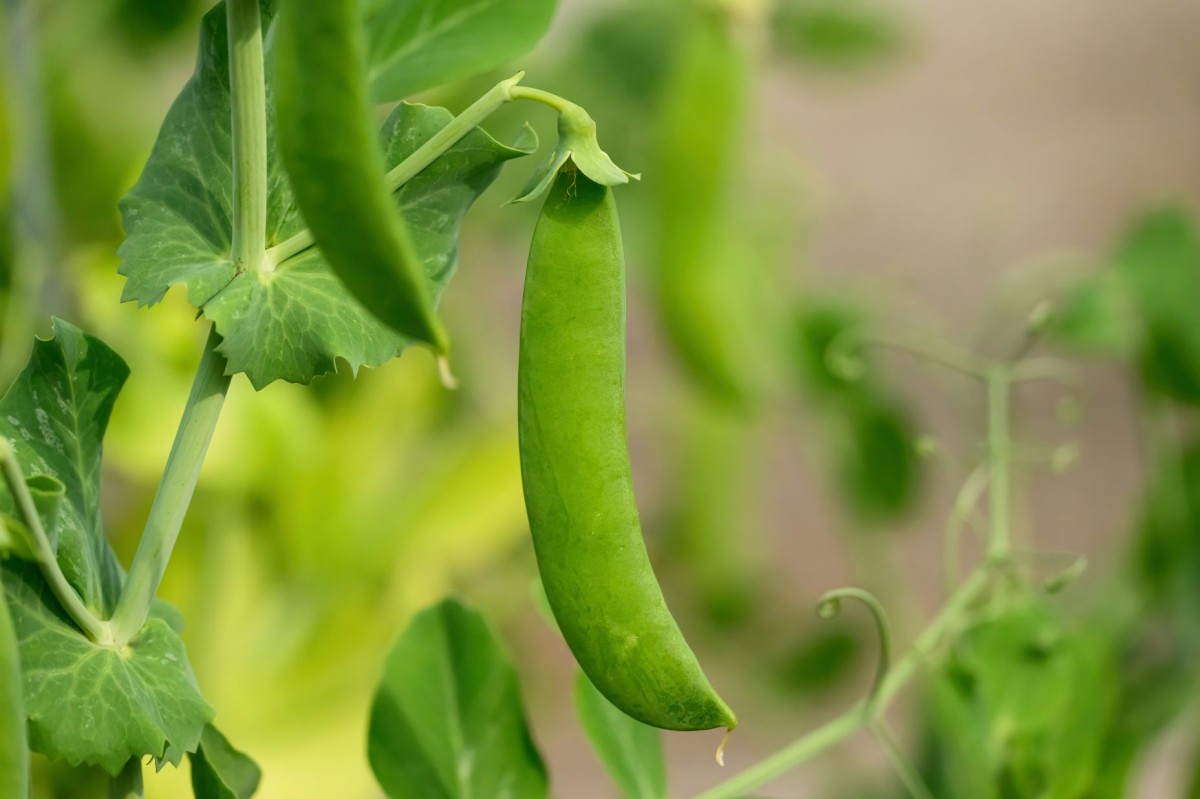
Peas
Direct sow outdoors; thrives in the current 14.3°C average temperature.
-
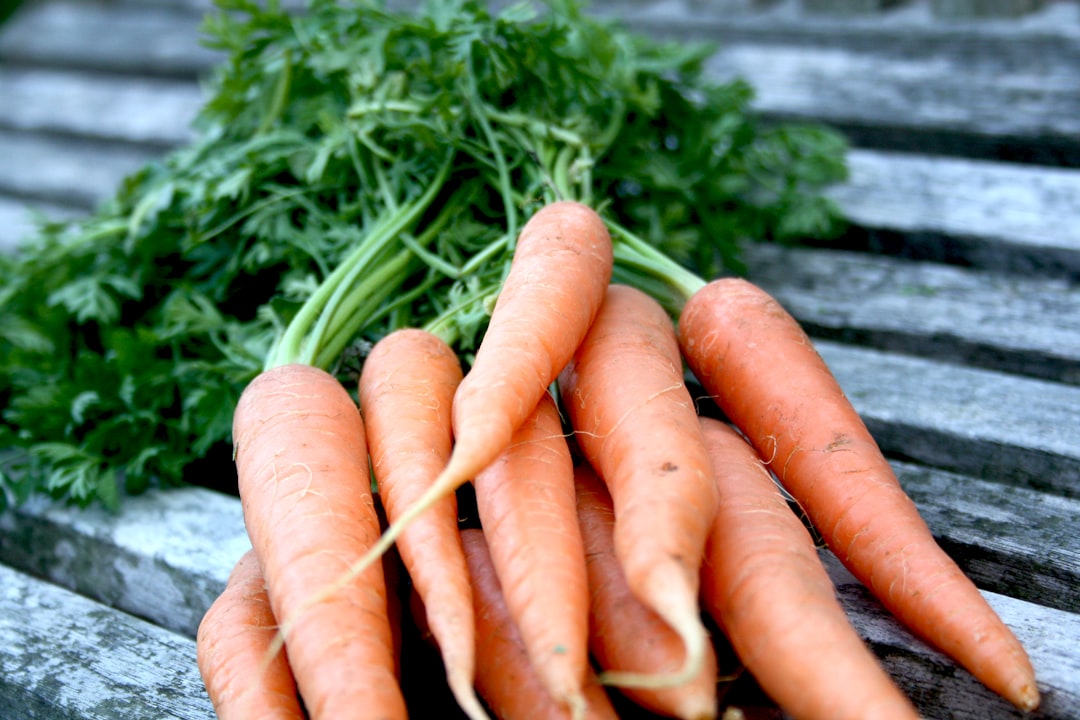
Carrots
Sow directly into loose, stone-free soil to prevent root forking.
-
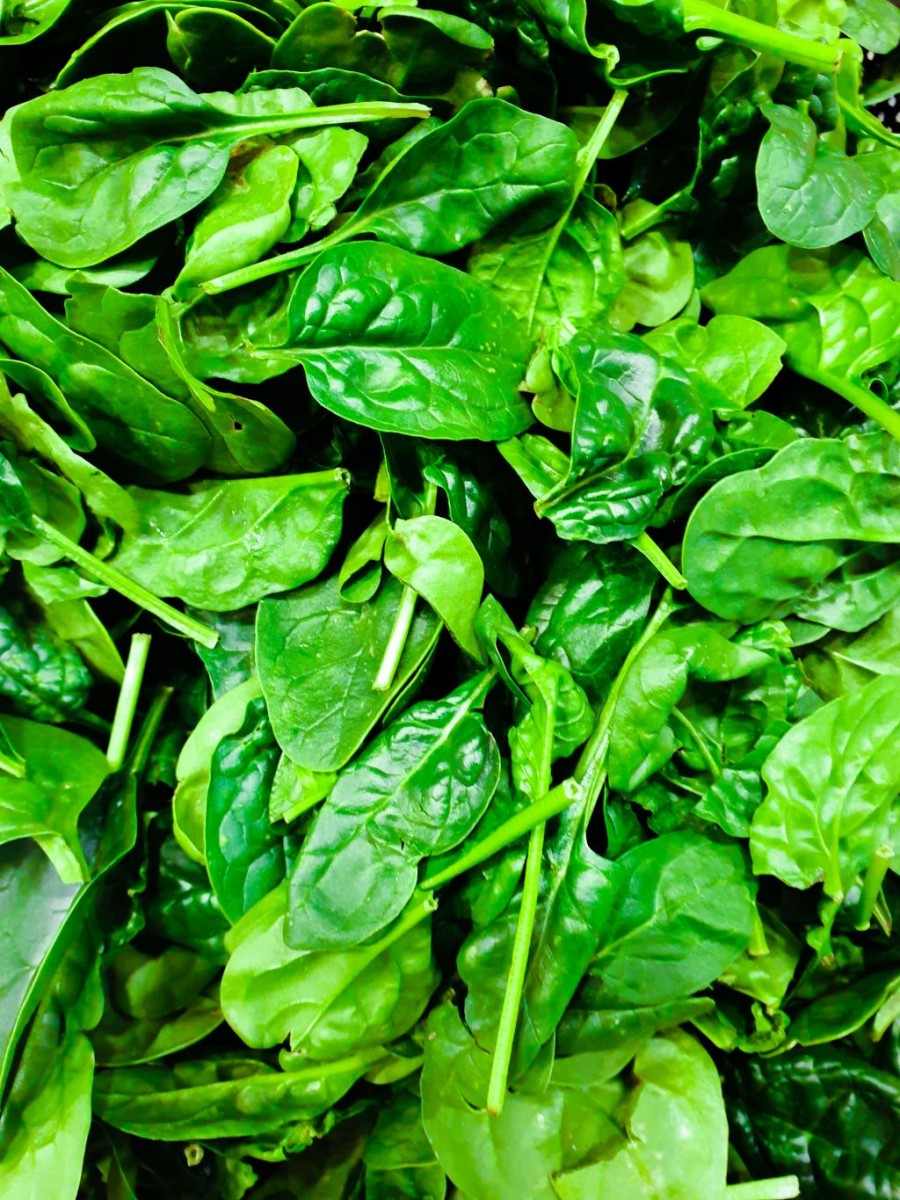
Spinach
Direct sow; will bolt once June temperatures exceed 20°C.
-
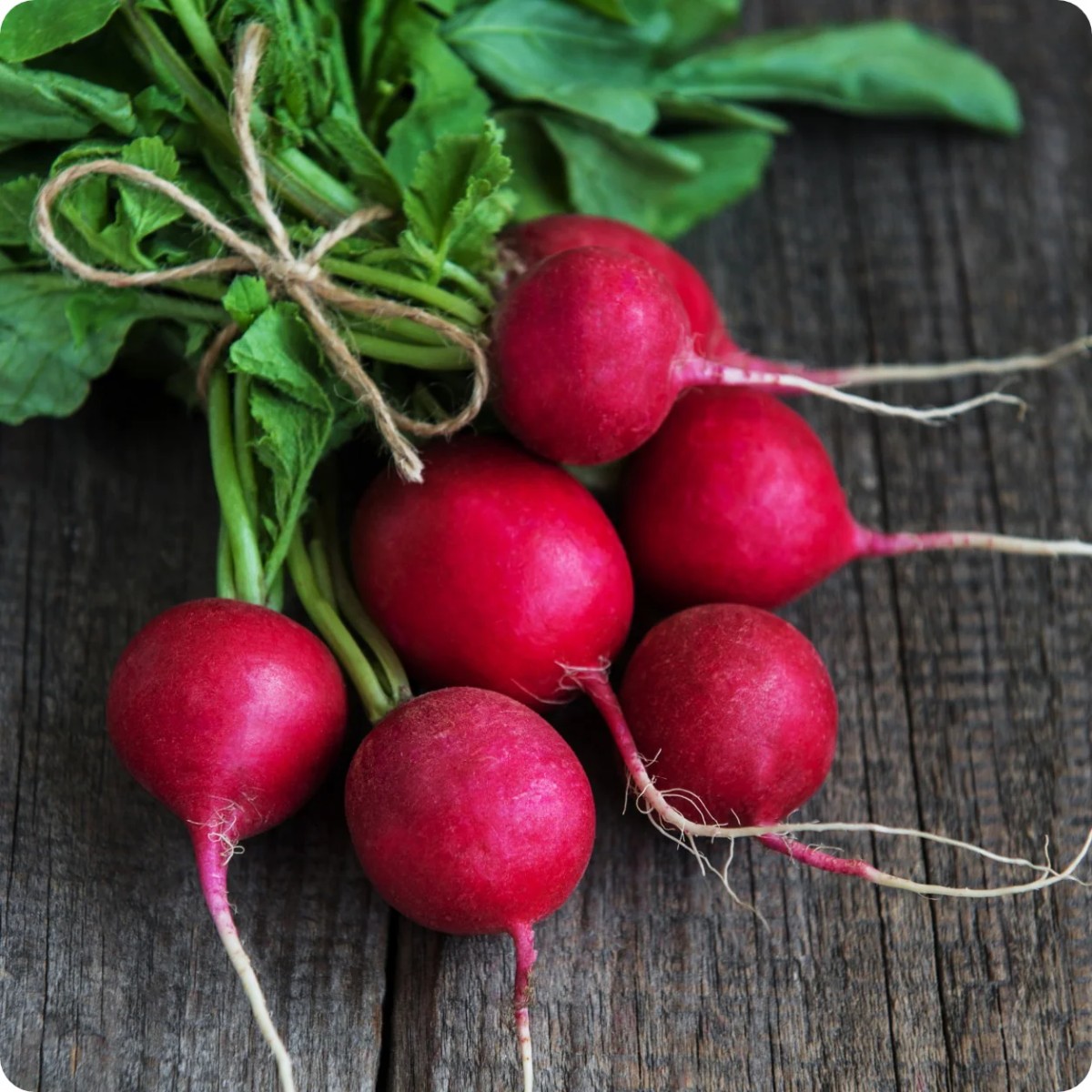
Radishes
Direct sow; excellent for intercropping with slower vegetables.
-
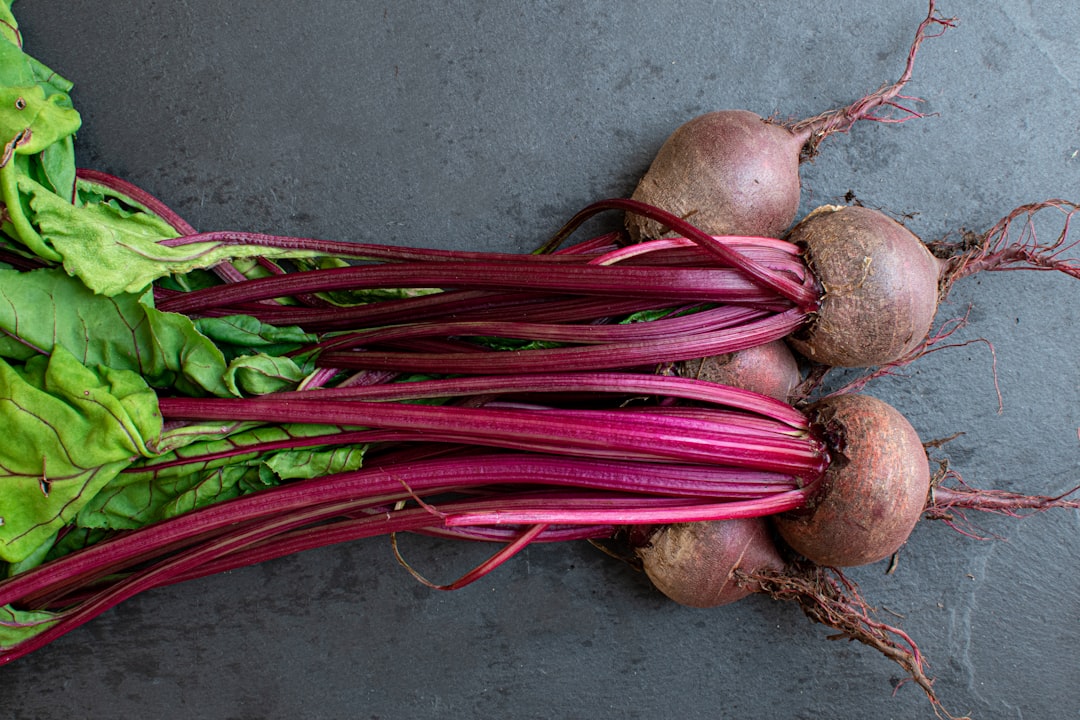
Beets
Direct sow; soak seeds for 24 hours prior to planting for better germination.
-
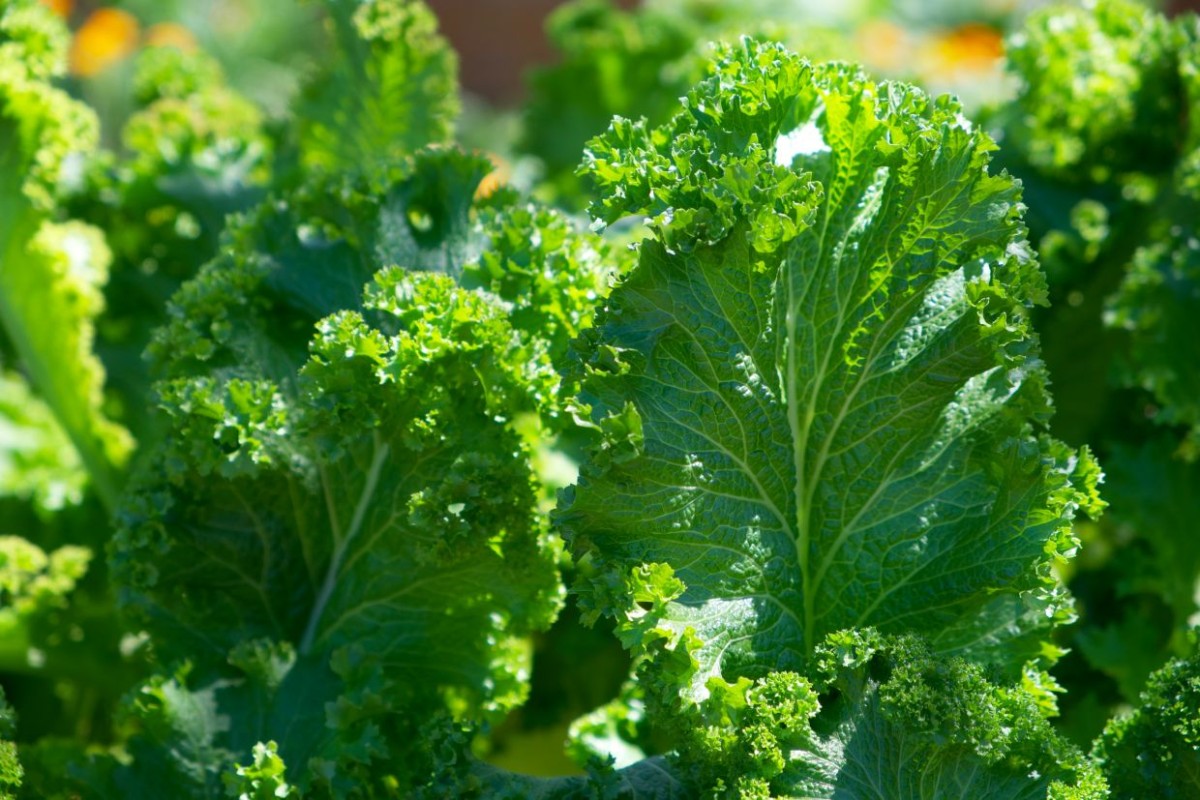
Kale
Direct sow or start in trays; very resilient to Wisconsin spring fluctuations.
-
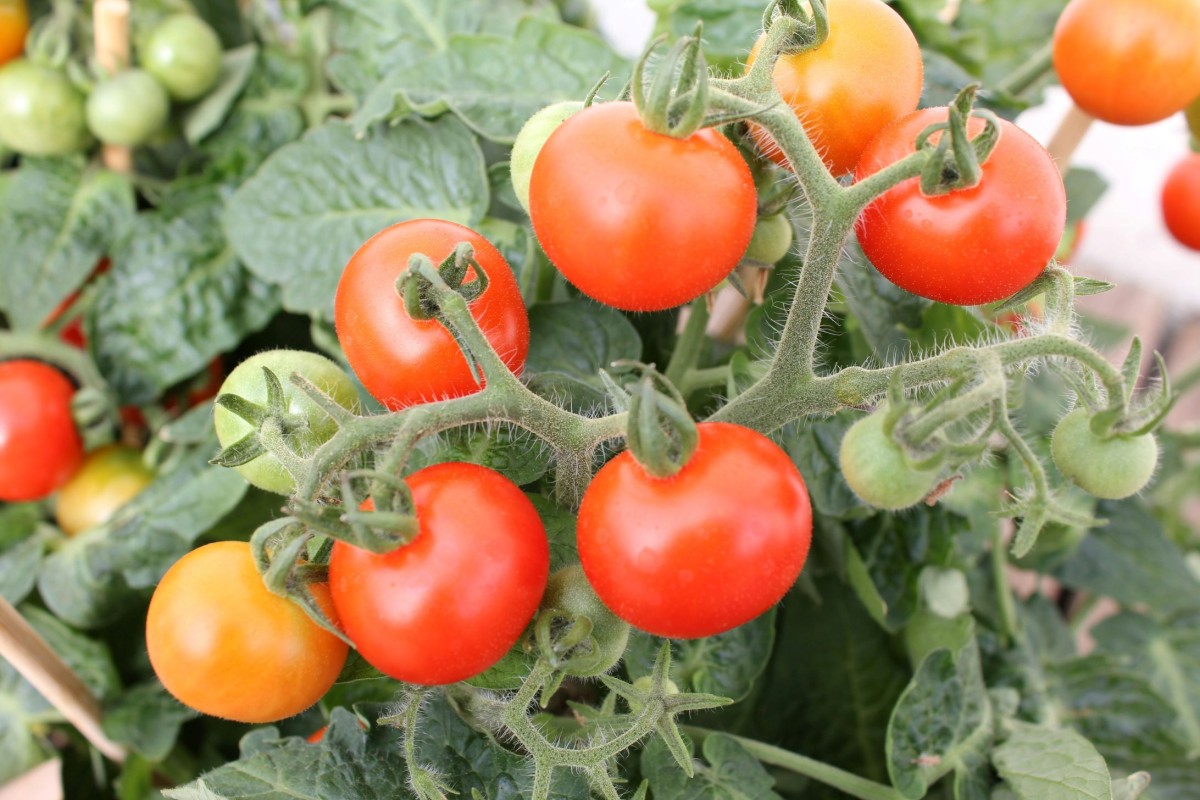
Tomatoes
Sow in protected indoor seedbeds only; do not move outdoors until June.
-
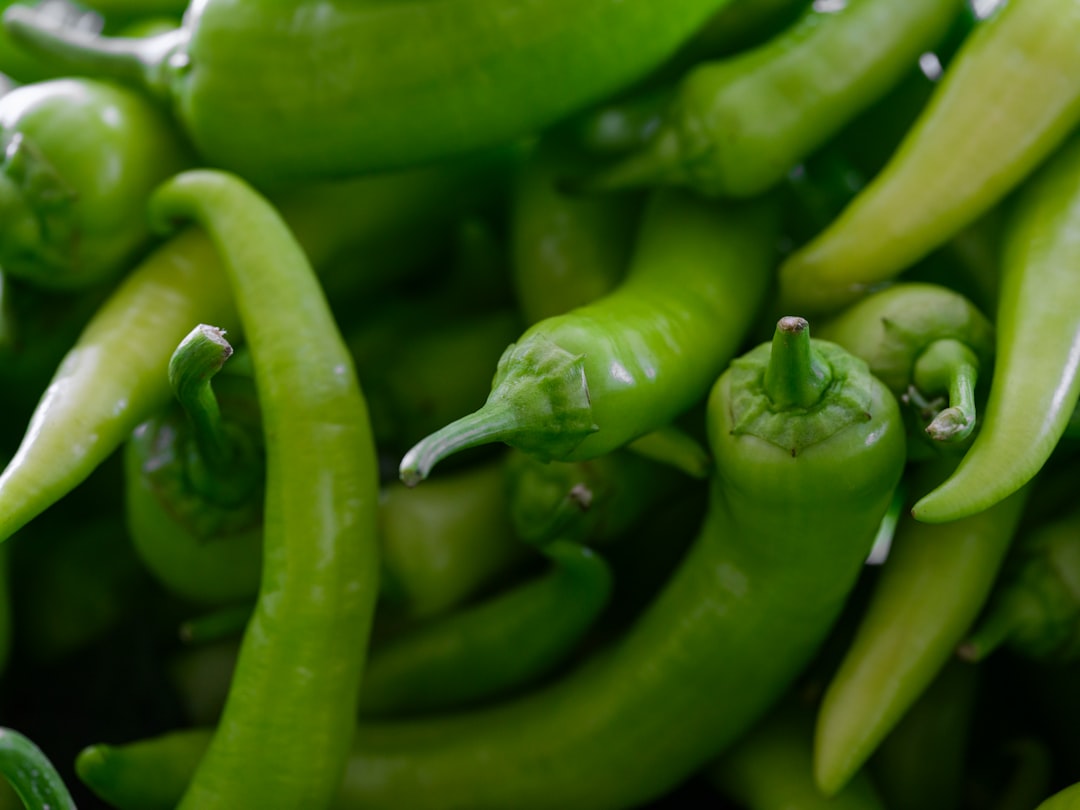
Peppers
Sow in protected indoor seedbeds; requires consistent heat for germination.
-
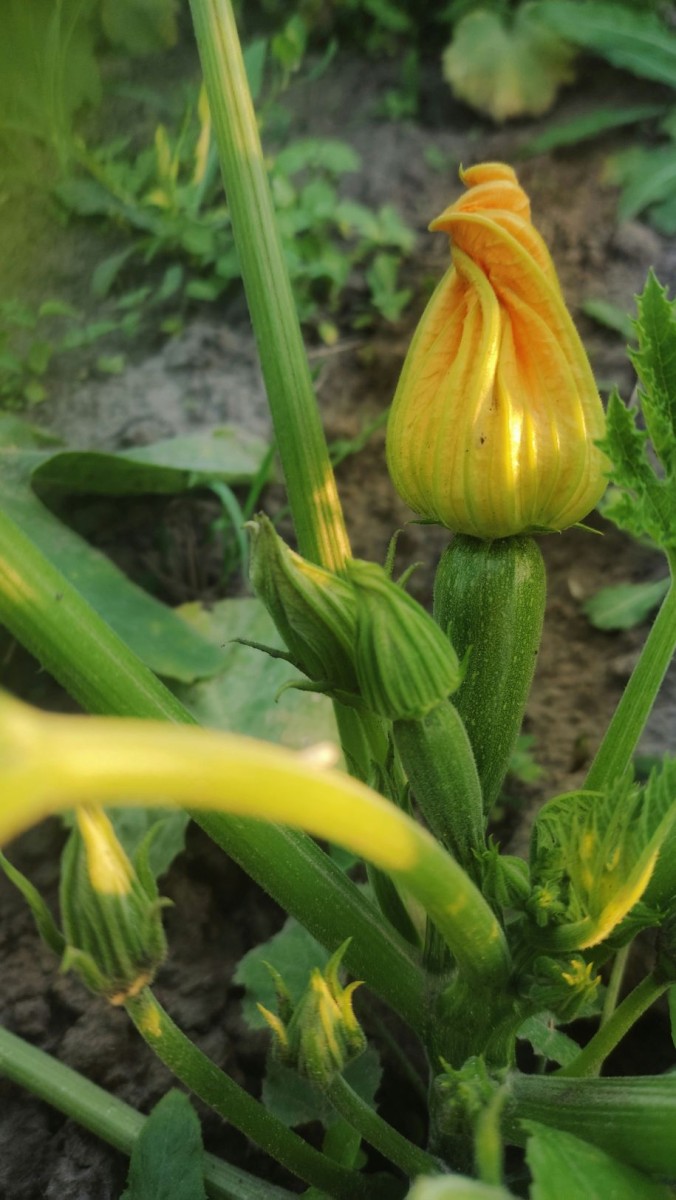
Zucchini
Sow in protected indoor seedbeds to avoid late May frost risk.
-
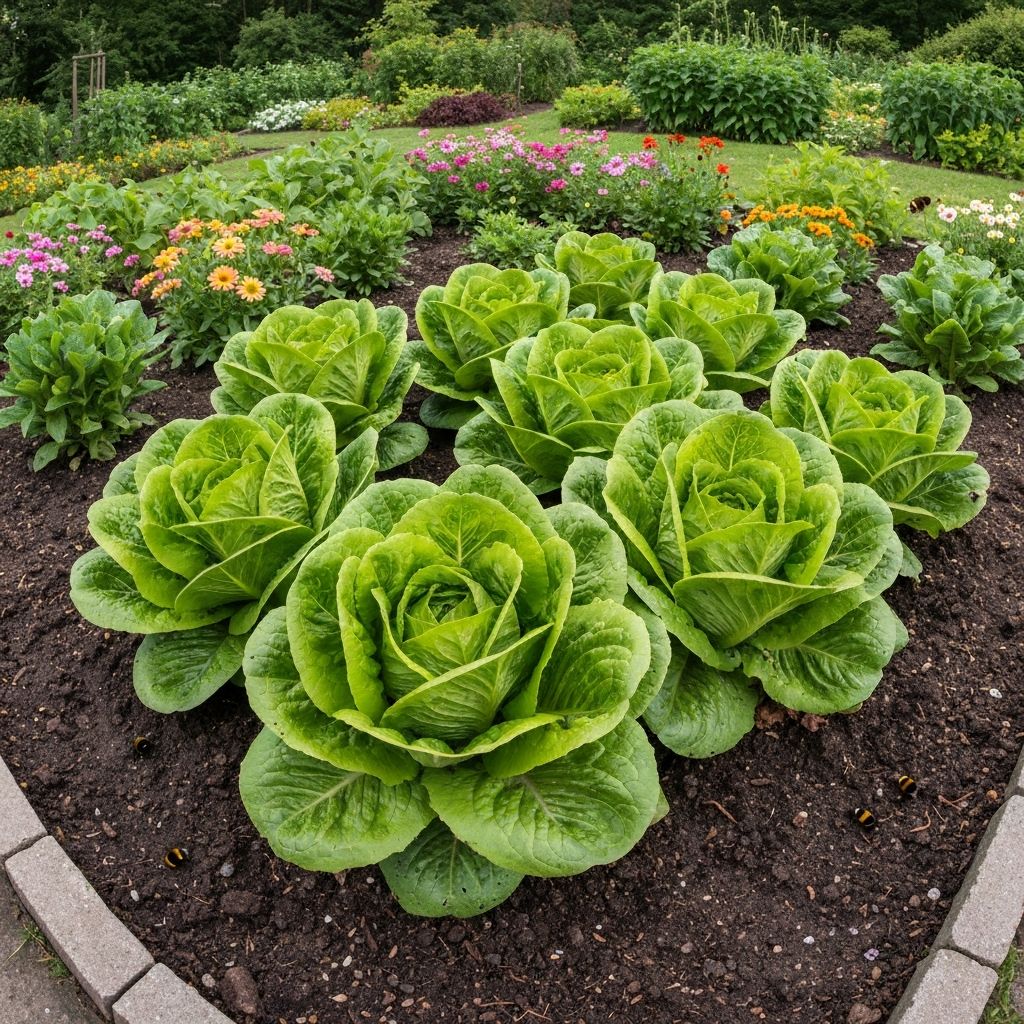
Lettuce
Direct sow; light-sensitive germination, do not bury seeds too deep.
Seedlings
Seedlings
-
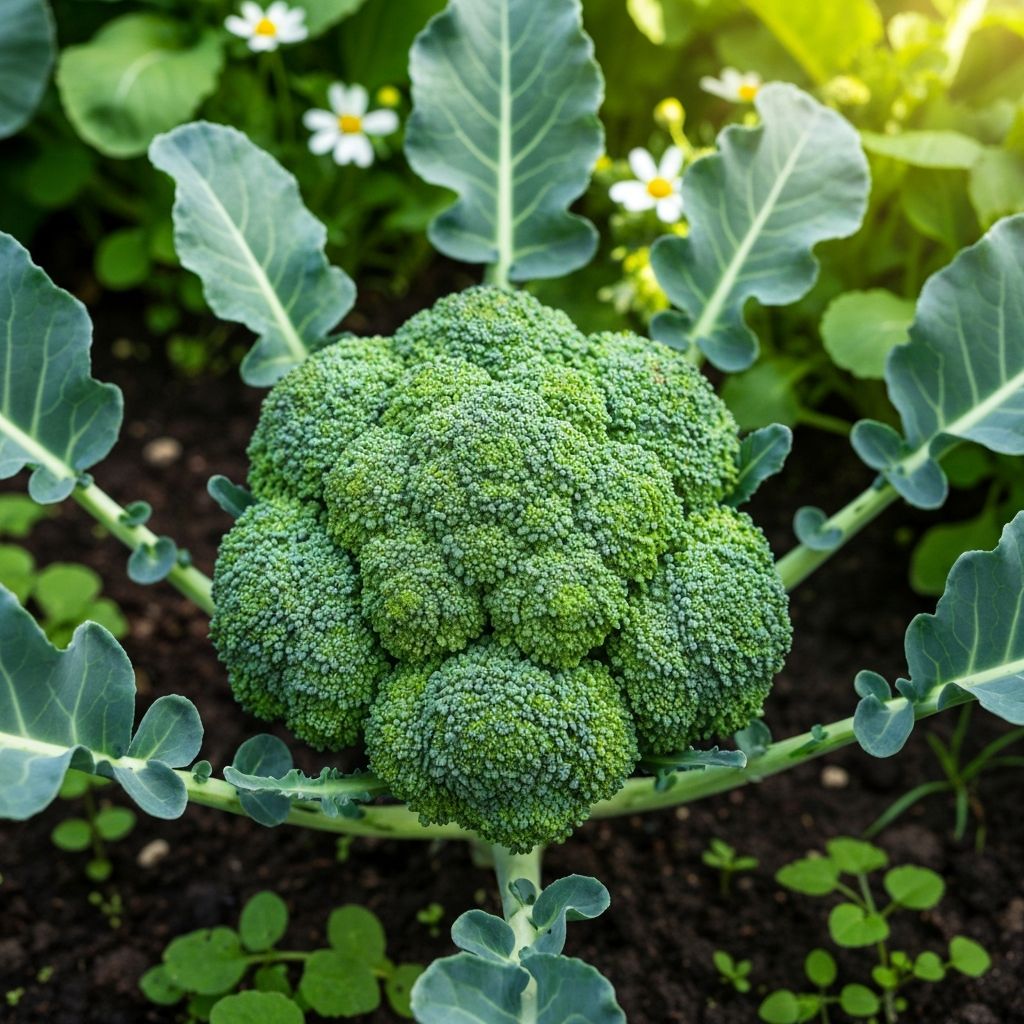
Broccoli
Transplant hardened-off seedlings; can tolerate light overnight dips.
-
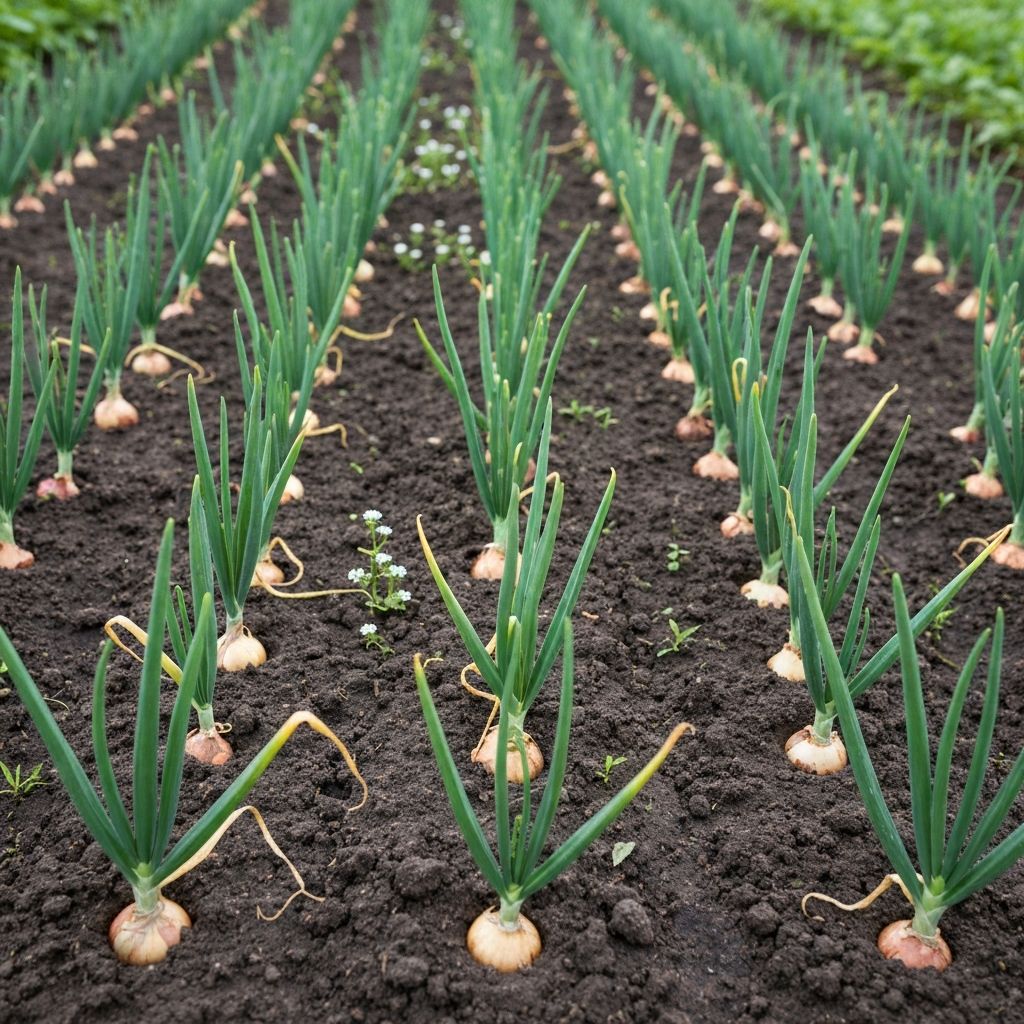
Onions
Transplant sets or seedlings directly into the ground as soon as soil is workable.
-
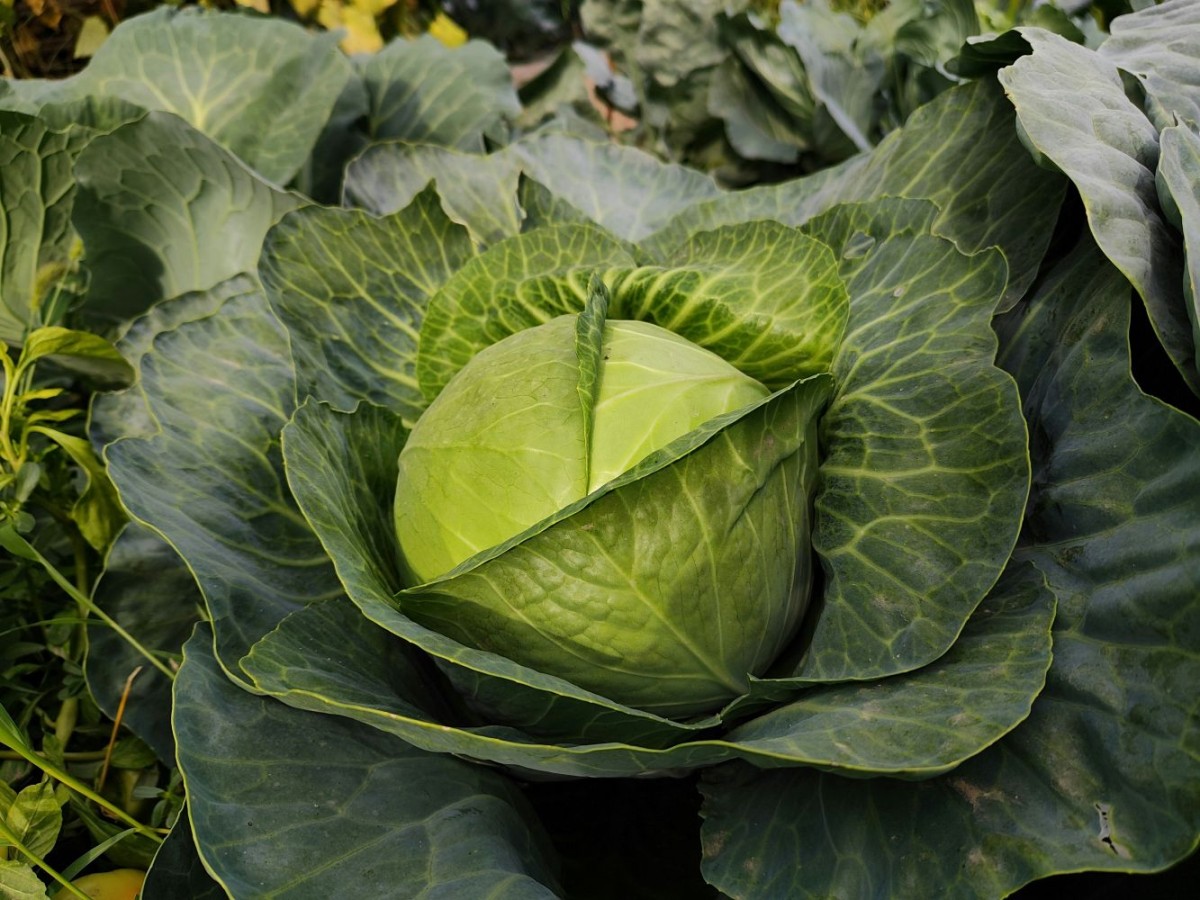
Cabbage
Transplant seedlings; use row covers if temperatures drop below 5°C.
Tasks
Monthly tasks
Monitor soil moisture closely as rainfall increases to 83.4mm. Apply mulch to regulate soil temperature and suppress weeds. Prepare row covers for potential late-season frost events that can occur despite the 14.3°C average. Harden off indoor seedlings gradually by exposing them to outdoor conditions for increasing intervals.