What to plant in Shiselweni in May
May in Shiselweni, Eswatini marks the transition into cooler autumn conditions, with average temperatures dropping and rainfall decreasing significantly. This period is ideal for sowing cold-tolerant crops outdoors, focusing on varieties that can withstand the impending winter chill. Gardeners should anticipate drier conditions and prepare for reduced daylight hours.
Lleva Oflivio contigo
Descarga la app y obtén recomendaciones personalizadas para tu huerto

Siembra
Siembra recomendada
-
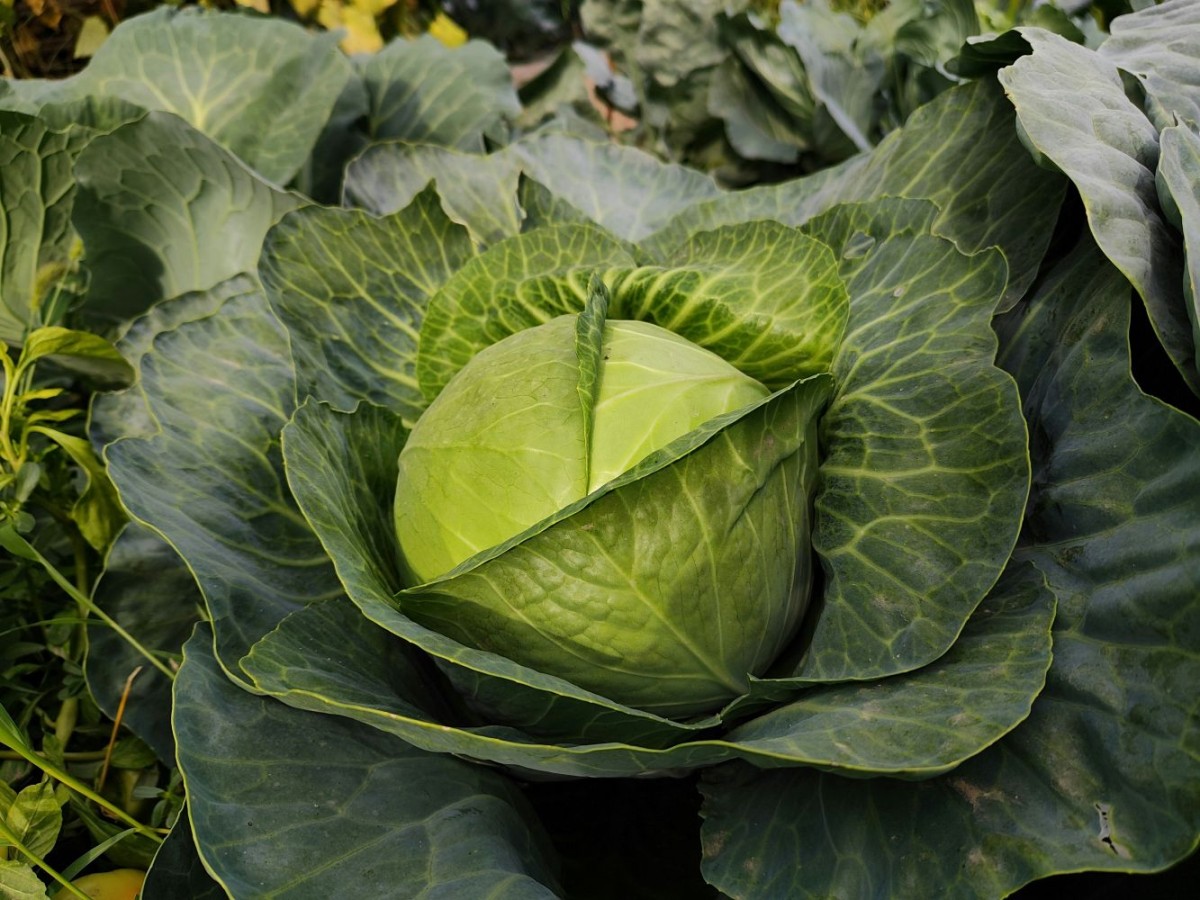
Cabbage
Sow directly outdoors. Requires consistent moisture for head development.
-
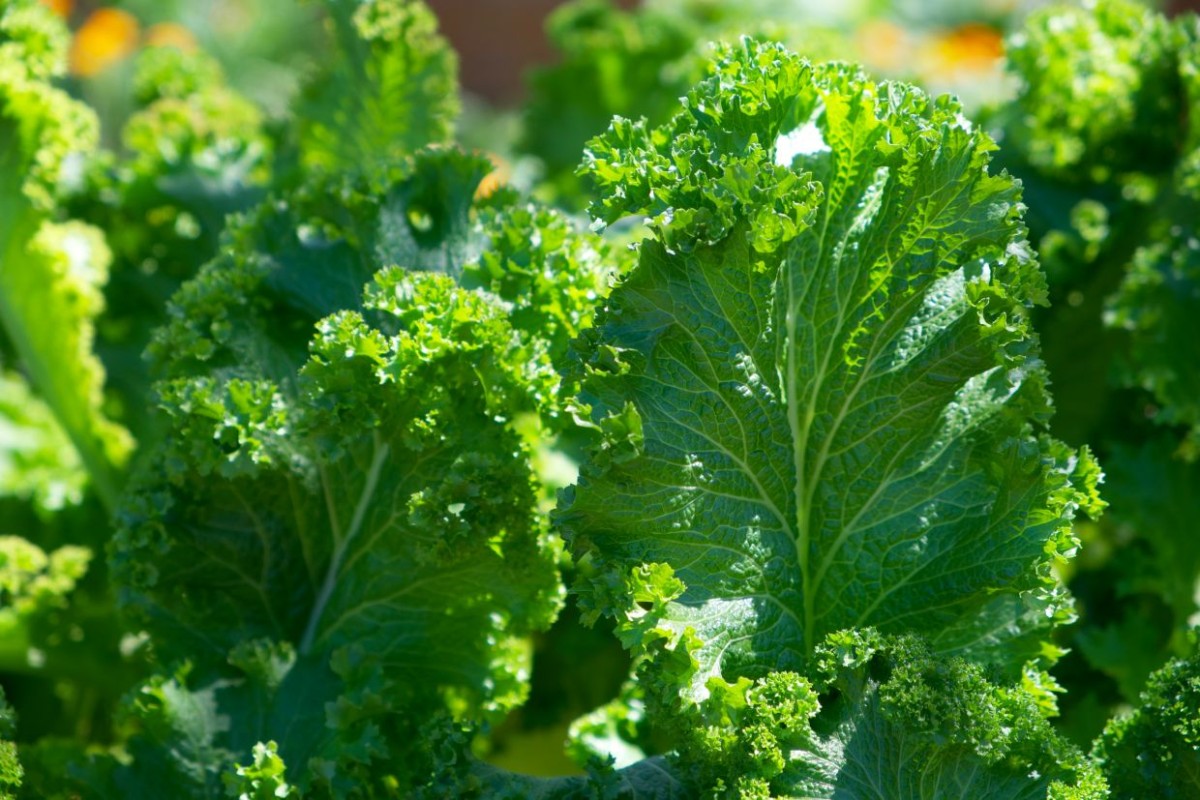
Kale
Sow directly outdoors. Very cold hardy.
-
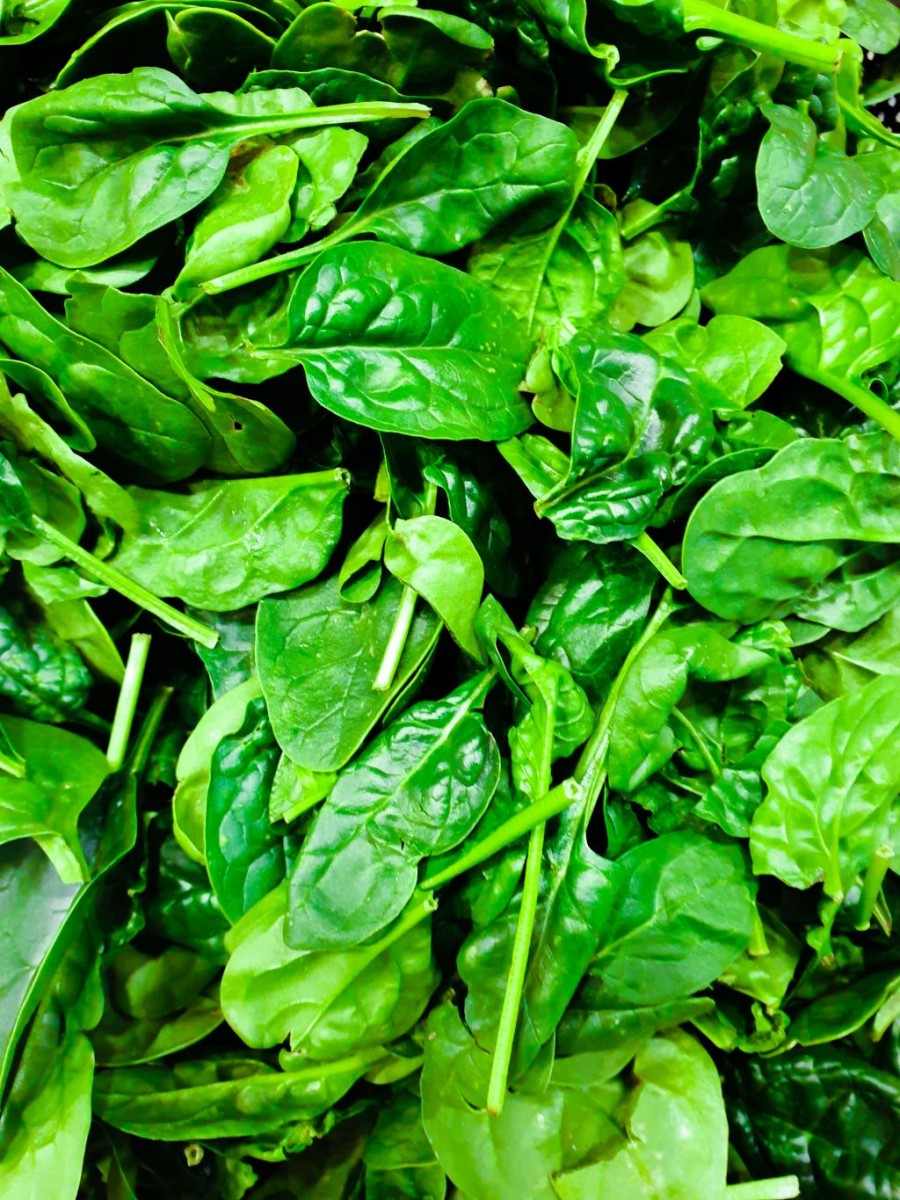
Spinach
Sow directly outdoors. Prefers cooler temperatures to prevent bolting.
-
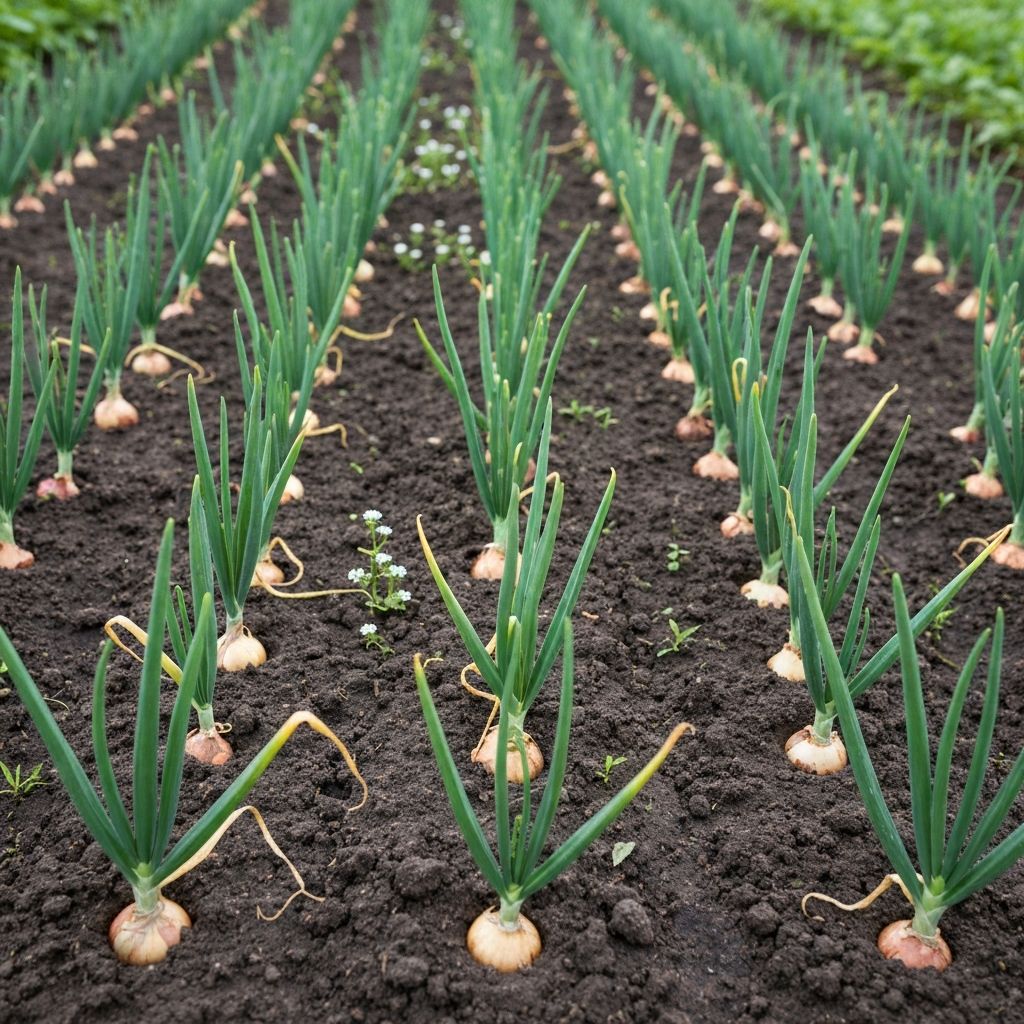
Onion
Sow seeds directly outdoors for harvesting in late spring/early summer.
-
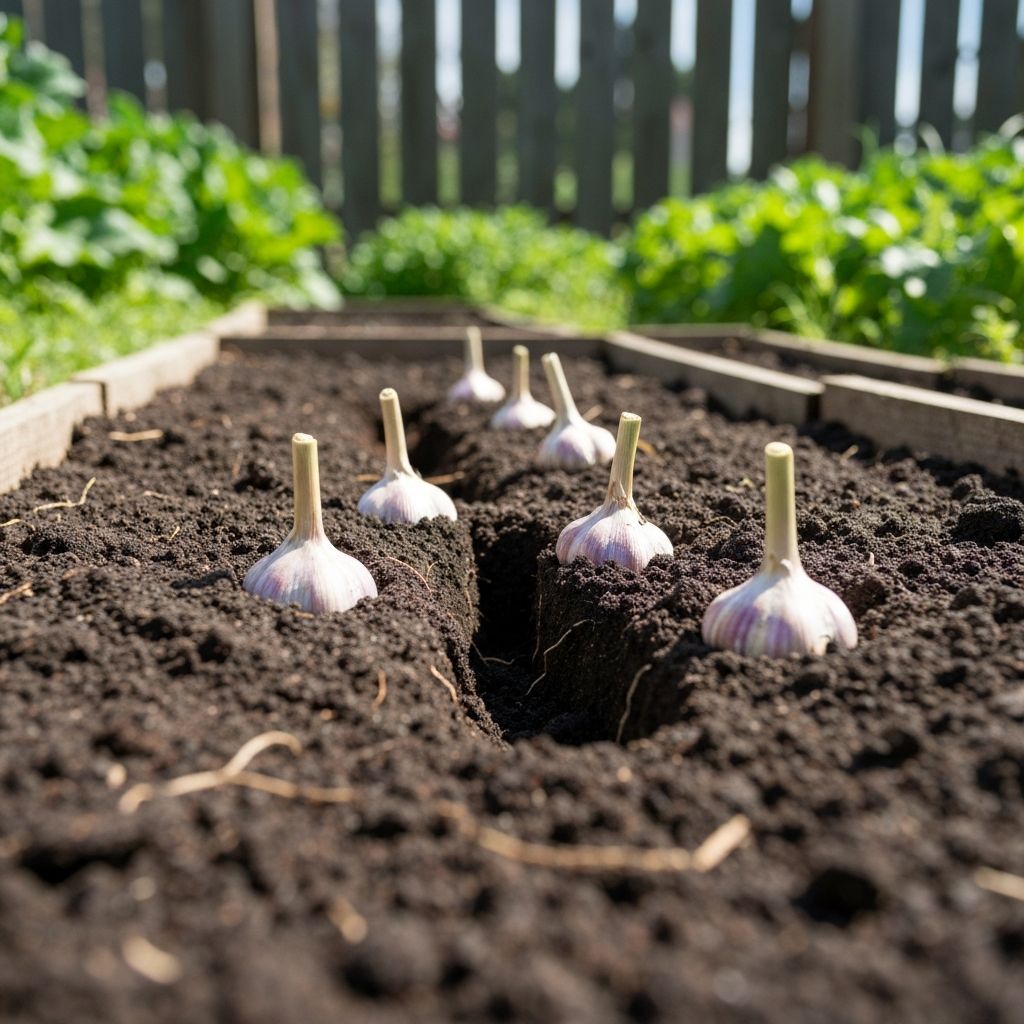
Garlic
Plant individual cloves directly outdoors. Requires a cold period for proper bulbing.
-
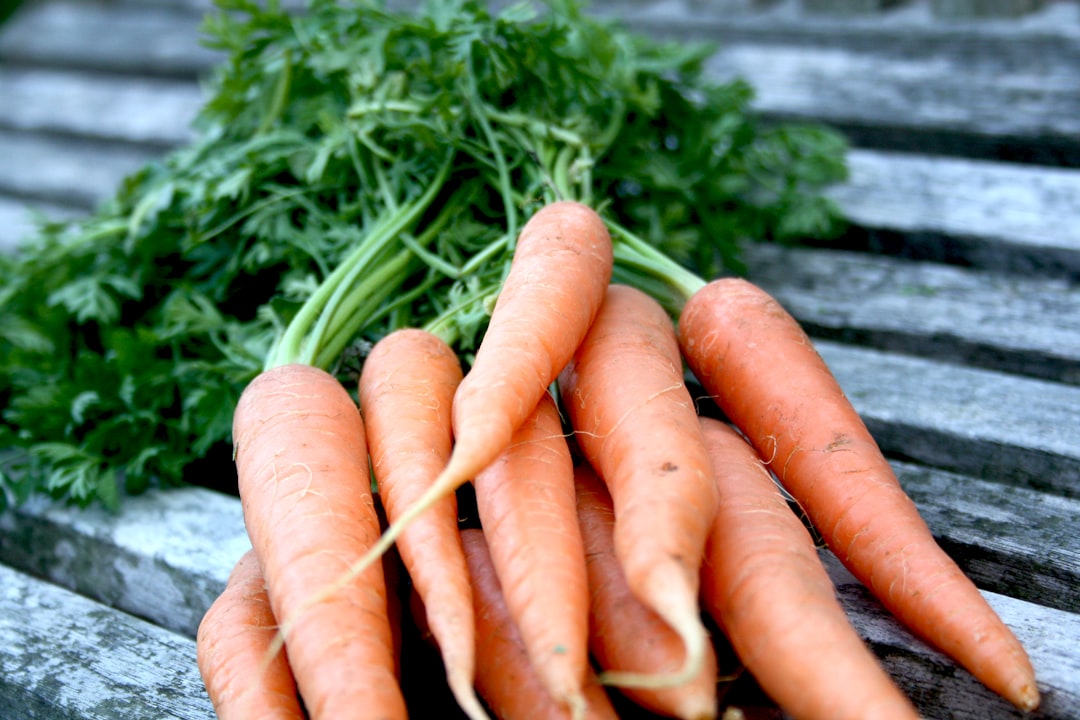
Carrot
Sow directly outdoors in well-drained, loose soil.
-
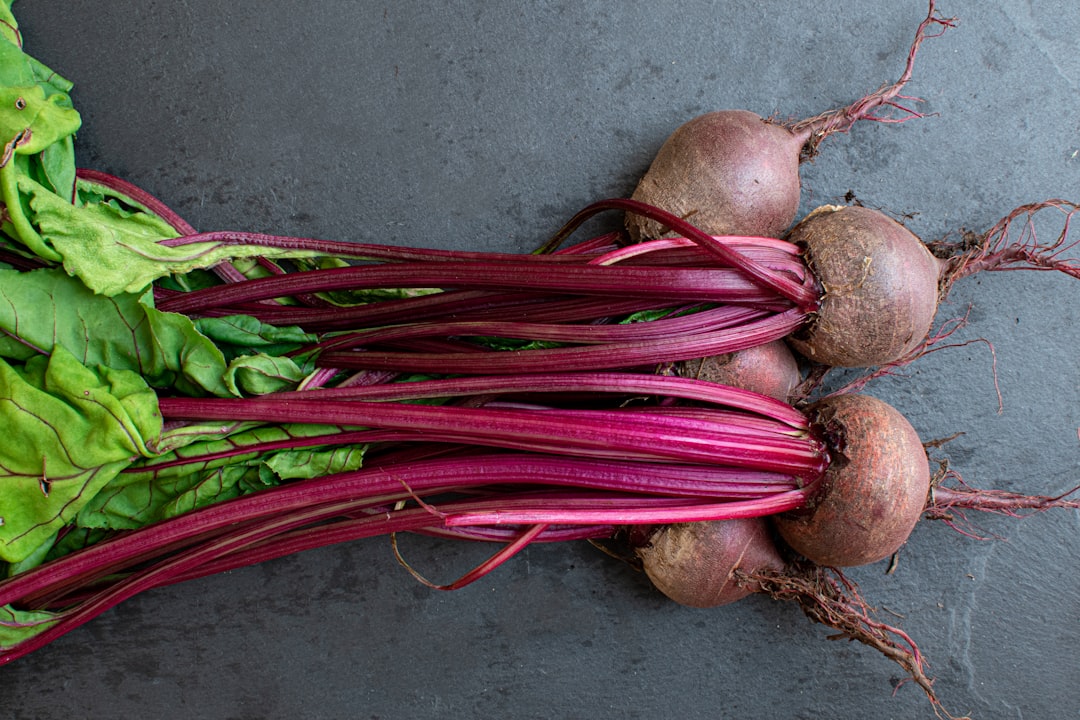
Beetroot
Sow directly outdoors. Tolerates light frost.
-
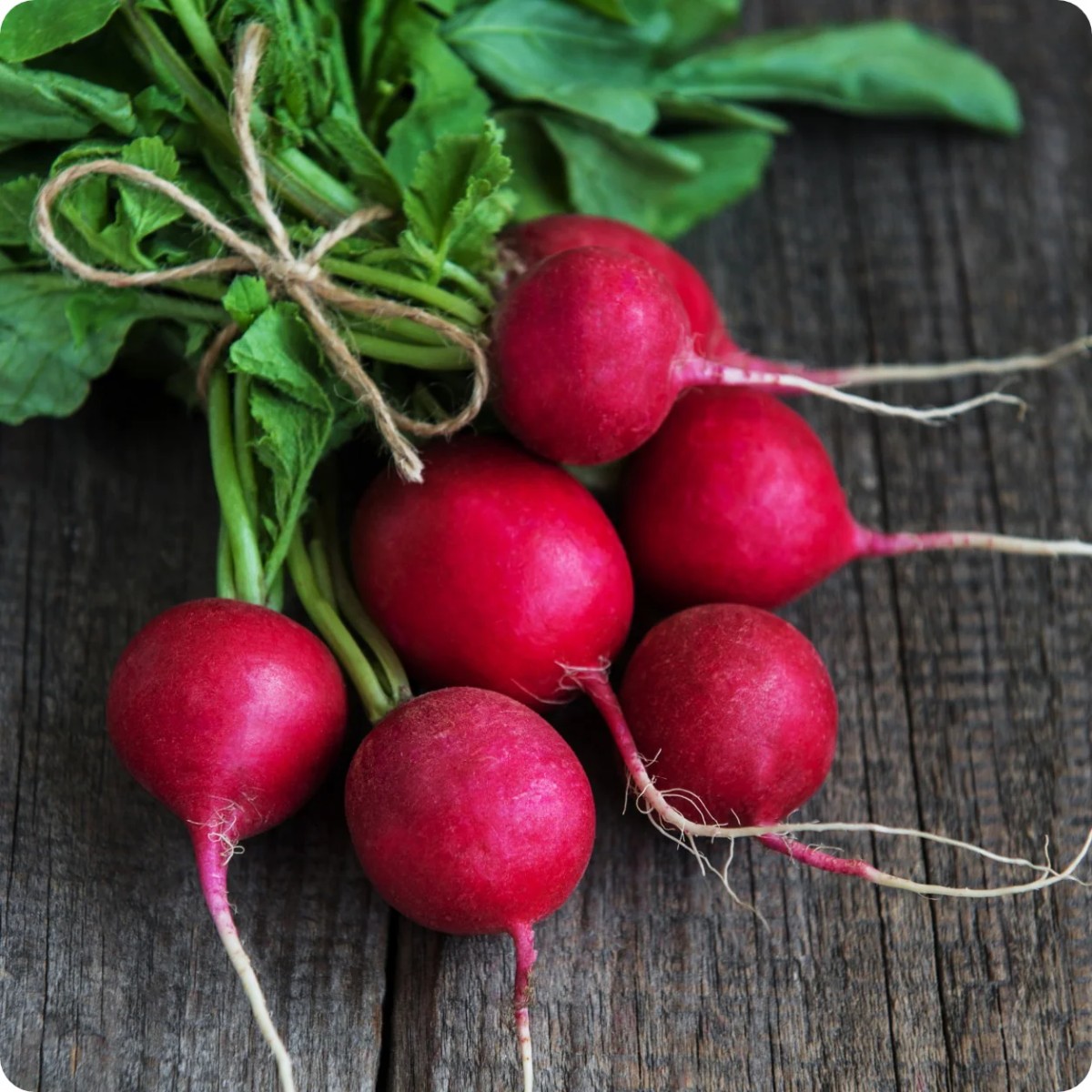
Radish
Sow directly outdoors. Harvest promptly to avoid woodiness.
-
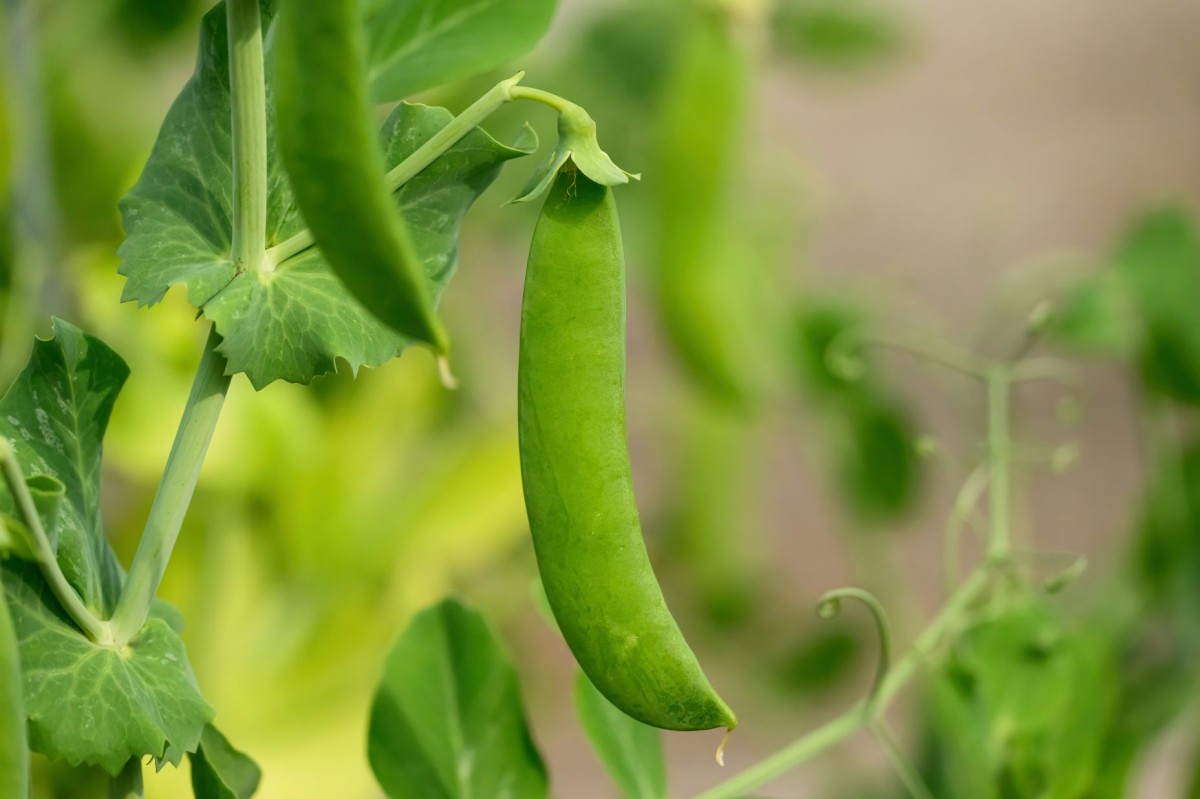
Peas
Sow directly outdoors. Provide support for climbing varieties.
-
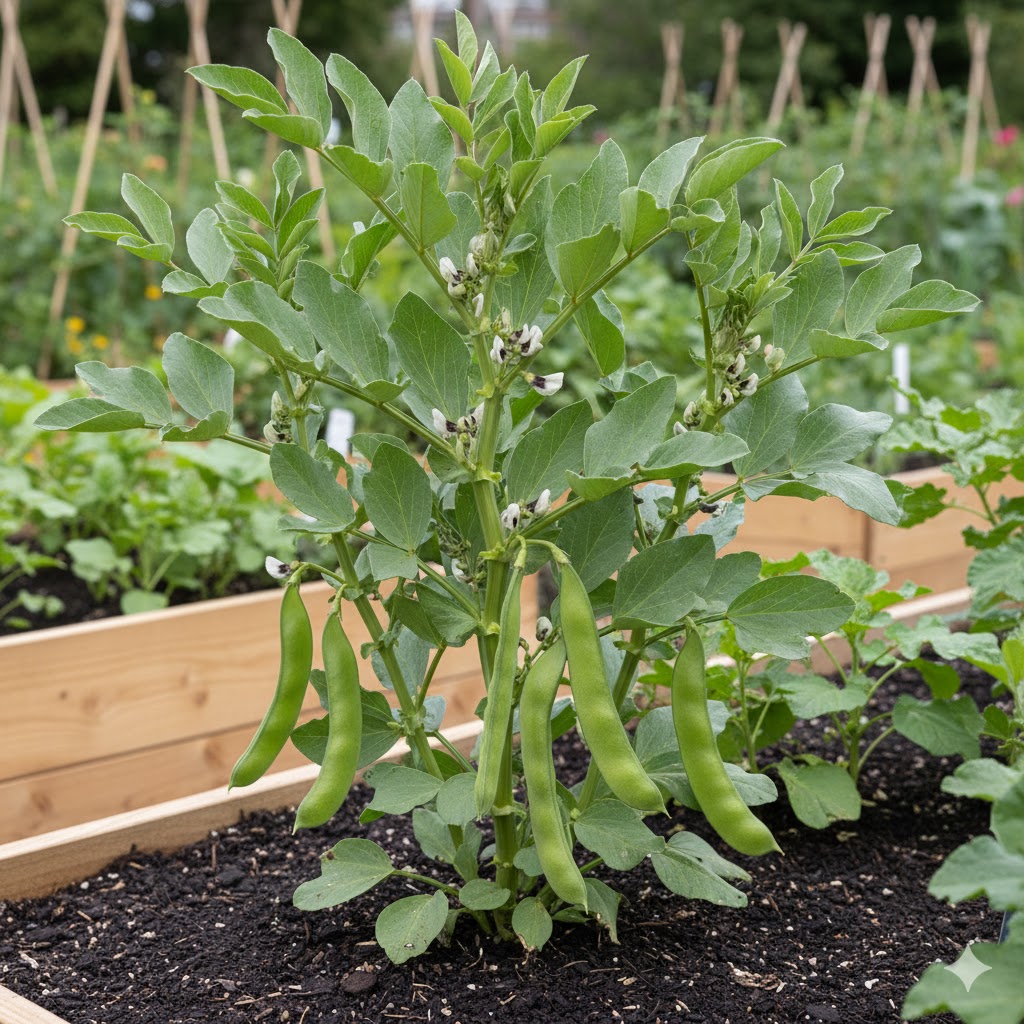
Broad Beans
Sow directly outdoors. Very tolerant of cold.
Planteles
Planteles
-
Cabbage
Transplant established seedlings outdoors. Protect young plants from pests.
-
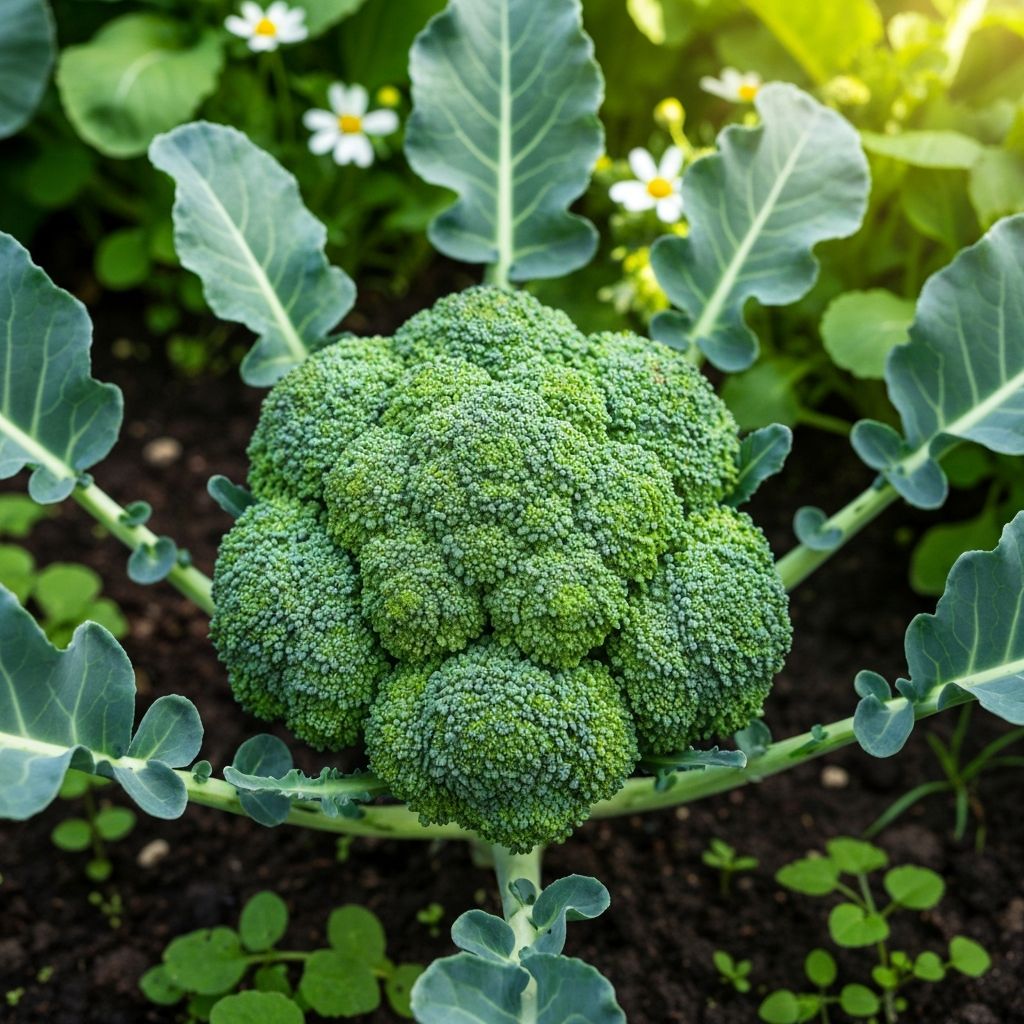
Broccoli
Transplant established seedlings outdoors. Ensure good soil fertility.
-
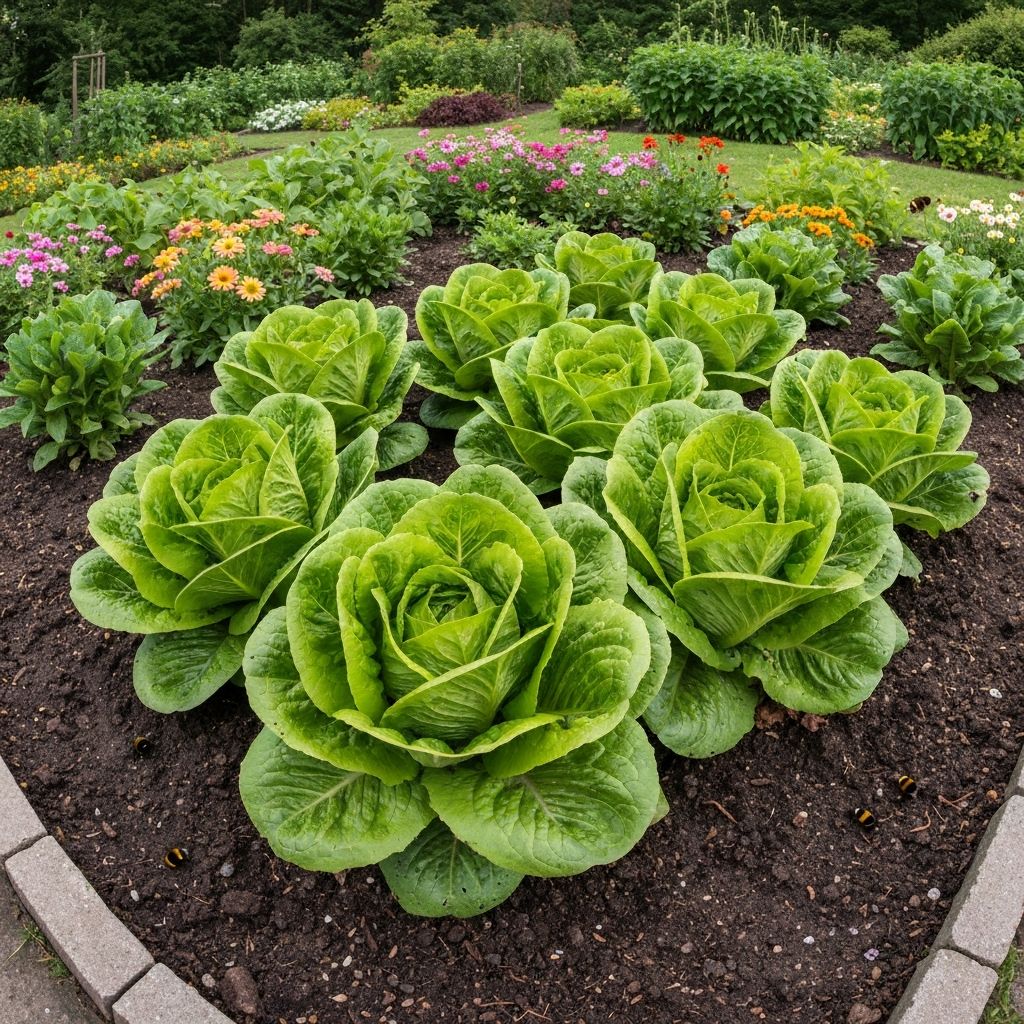
Lettuce
Transplant pre-grown seedlings for quicker harvest. Protect from strong winds.
Tareas
Tareas del mes
With rainfall decreasing to an average of 30.3mm, consistent irrigation is crucial, especially for newly sown seeds and transplanted seedlings. Monitor soil moisture levels closely. Prepare garden beds for winter by adding compost and organic matter. Protect tender seedlings from potential early frosts as temperatures begin to drop. Mulching can help retain soil moisture and regulate soil temperature.