What to plant in Erzincan in August
August in Erzincan is characterized by hot, dry summer conditions with an average maximum temperature of 33.1°C and very low precipitation of 6.9mm. Gardeners must focus on sowing cool-season crops that will mature during the cooler autumn months, while relying heavily on drip irrigation to combat the summer heat. The rapid transition to cooler temperatures in September and October requires immediate action for autumn vegetable establishment.
Emportez Oflivio partout
Téléchargez l'app et recevez des recommandations personnalisées pour votre jardin

Semis
Semis recommandé
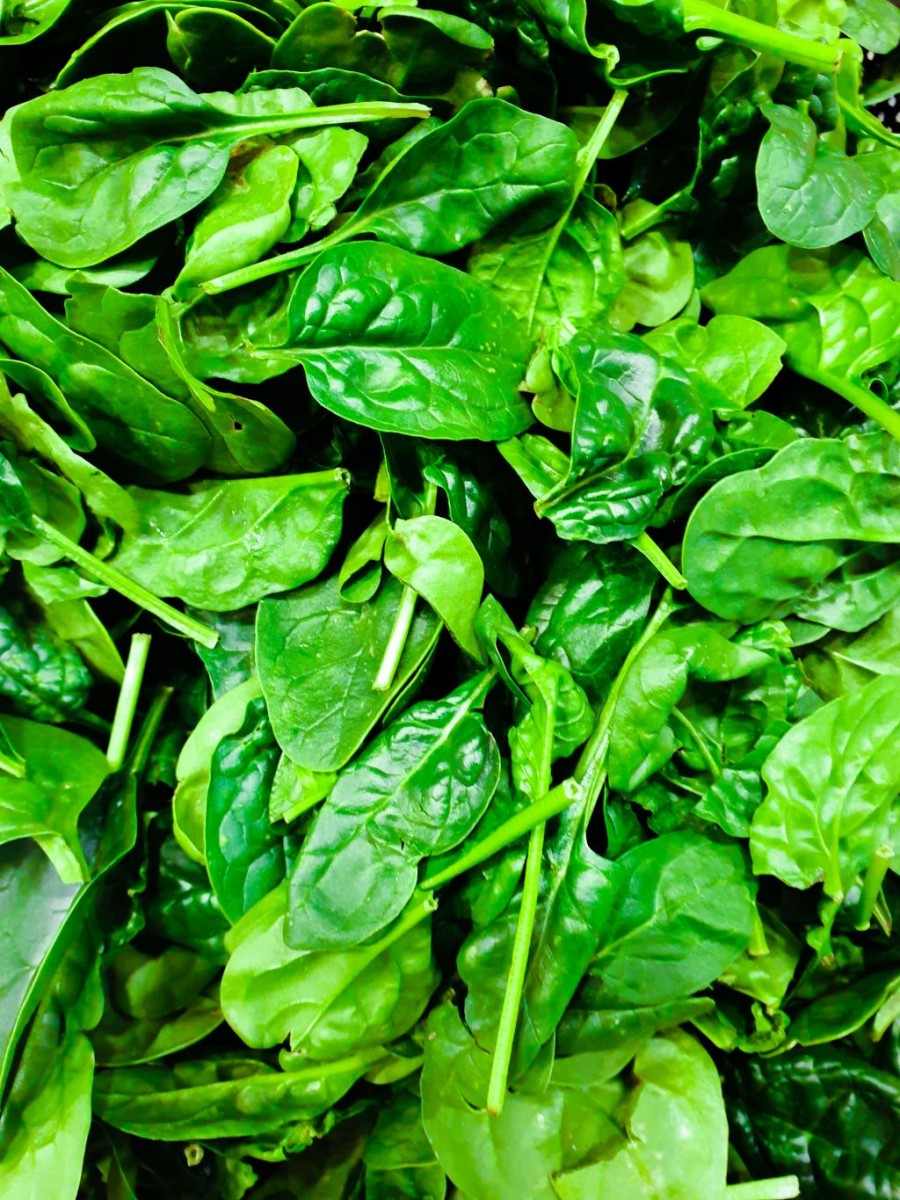
Spinach
Sow directly outdoors in semi-shade to protect young seedlings from the intense August sun. Keep soil consistently moist.
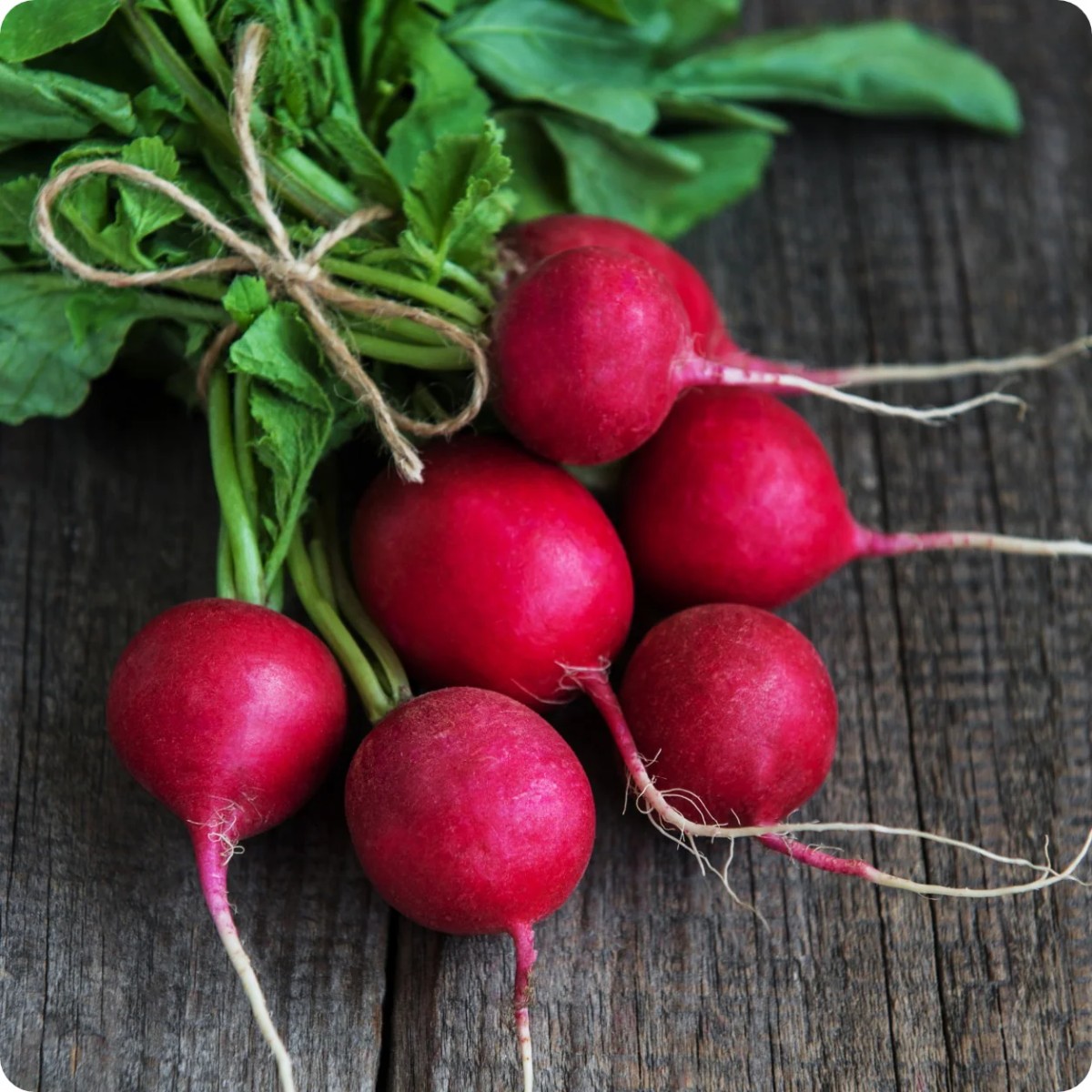
Radish
Sow directly into well-drained soil. Keep soil cool with organic mulch to prevent woody texture and excessive spiciness.
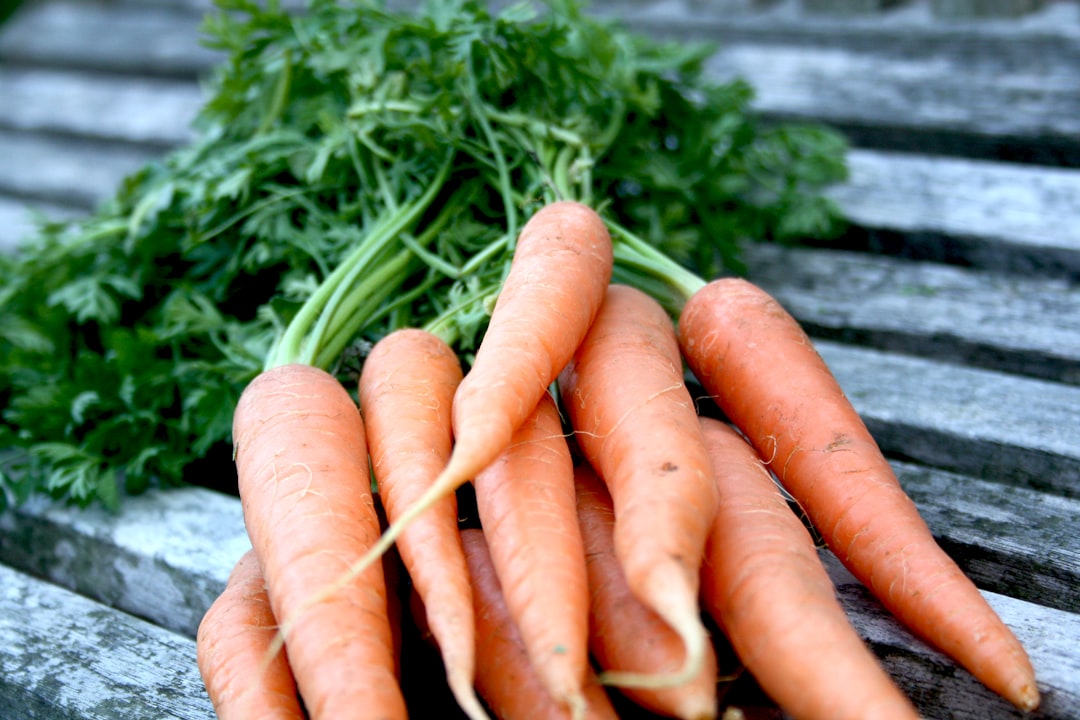
Carrots
Sow directly outdoors. Cover seeds lightly and keep constantly damp using burlap or shade cloth until germination occurs.
Chard
Sow directly outdoors. Thin seedlings to 20cm apart once established. Highly resilient to the upcoming temperature drops.
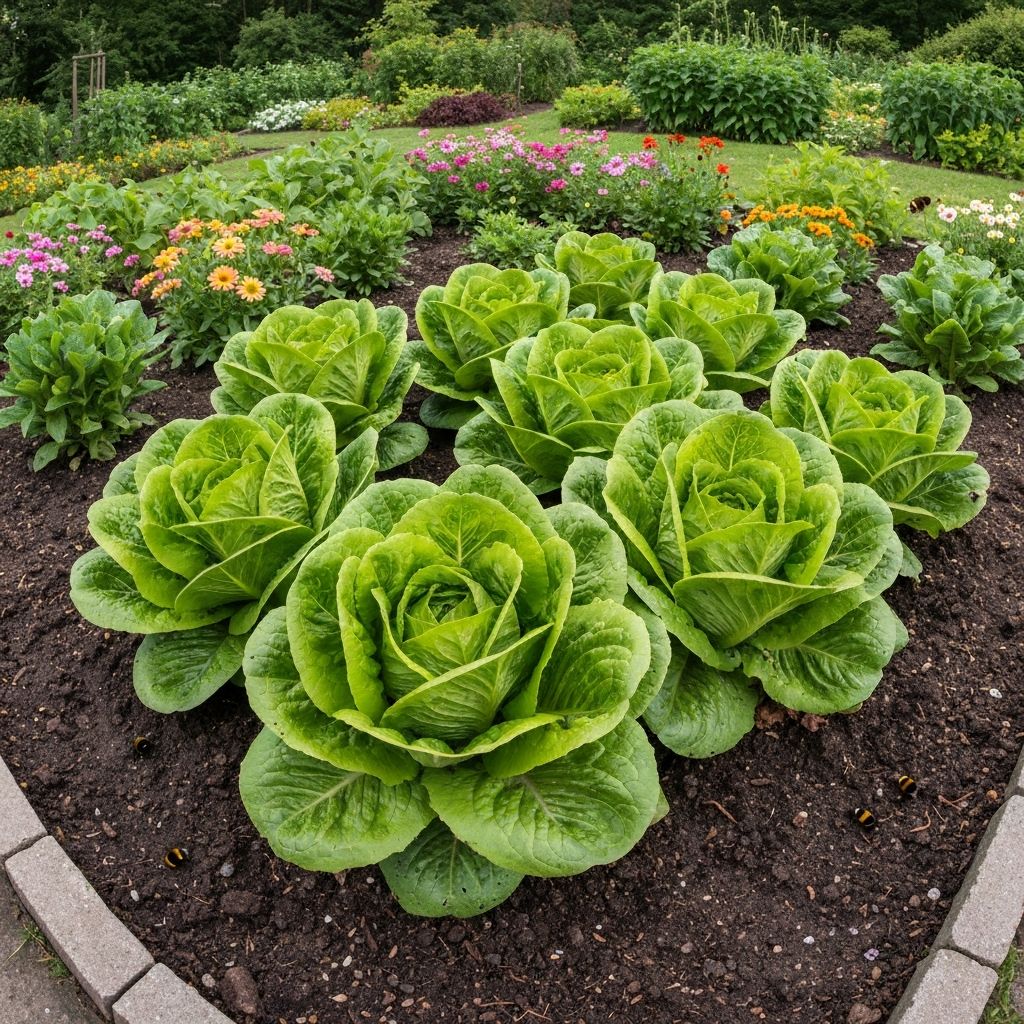
Lettuce
Sow directly in shaded areas or under shade nets to prevent heat-induced dormancy and bolting.
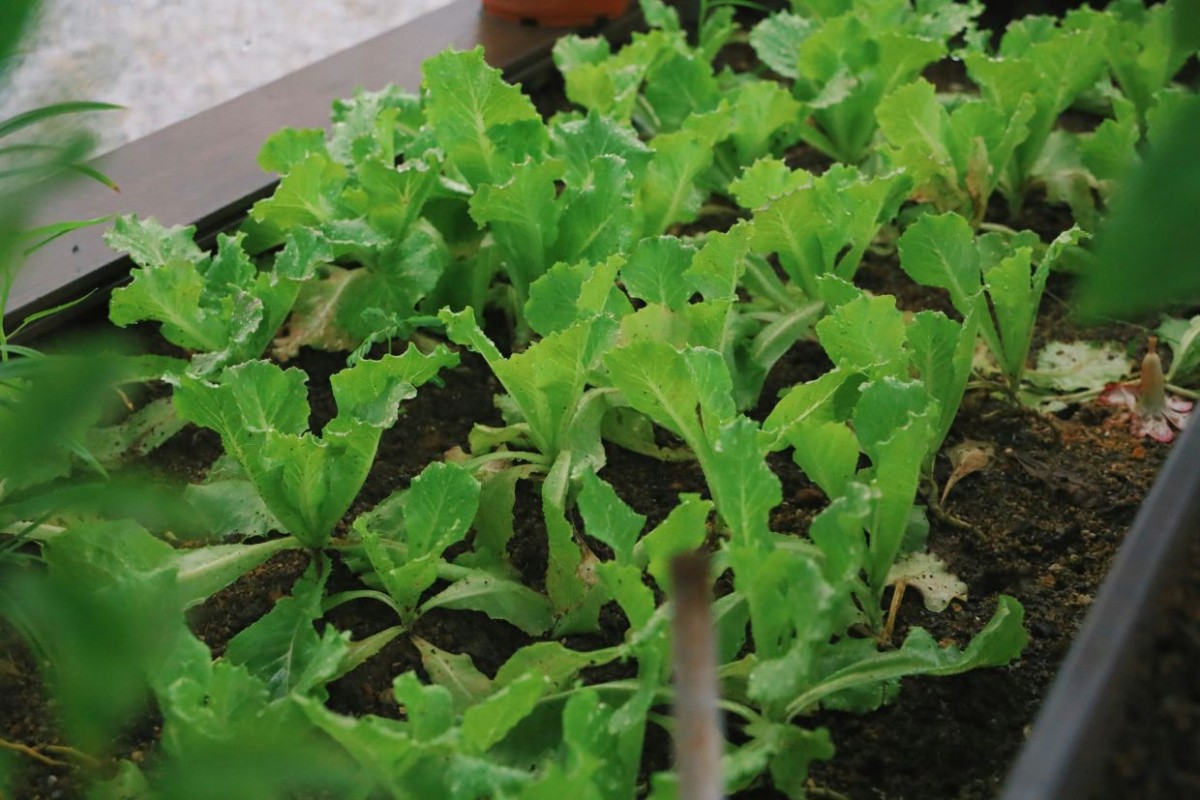
Arugula
Sow in successive batches every two weeks for a continuous autumn harvest.
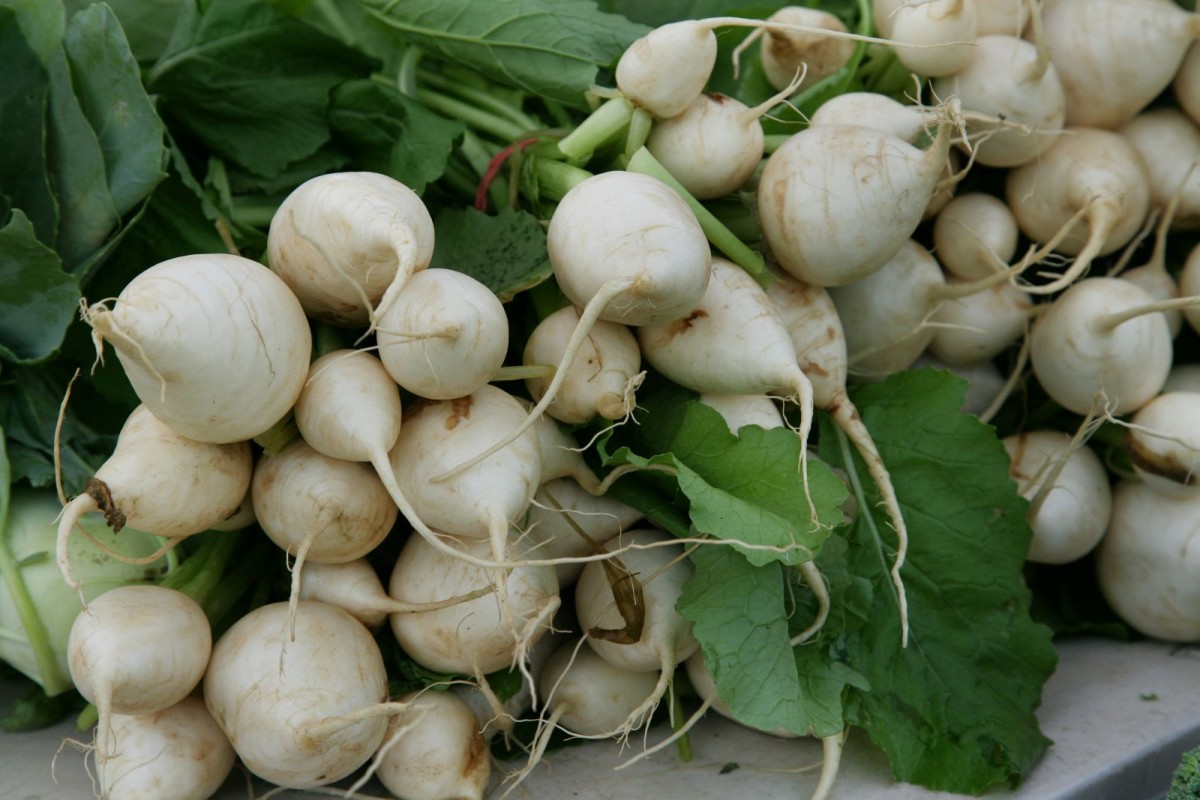
Turnip
Sow directly outdoors. Thin early to ensure proper root development before October.
Scallions
Sow directly in well-drained beds. Excellent for intensive spacing in small garden plots.
Plants
Plants
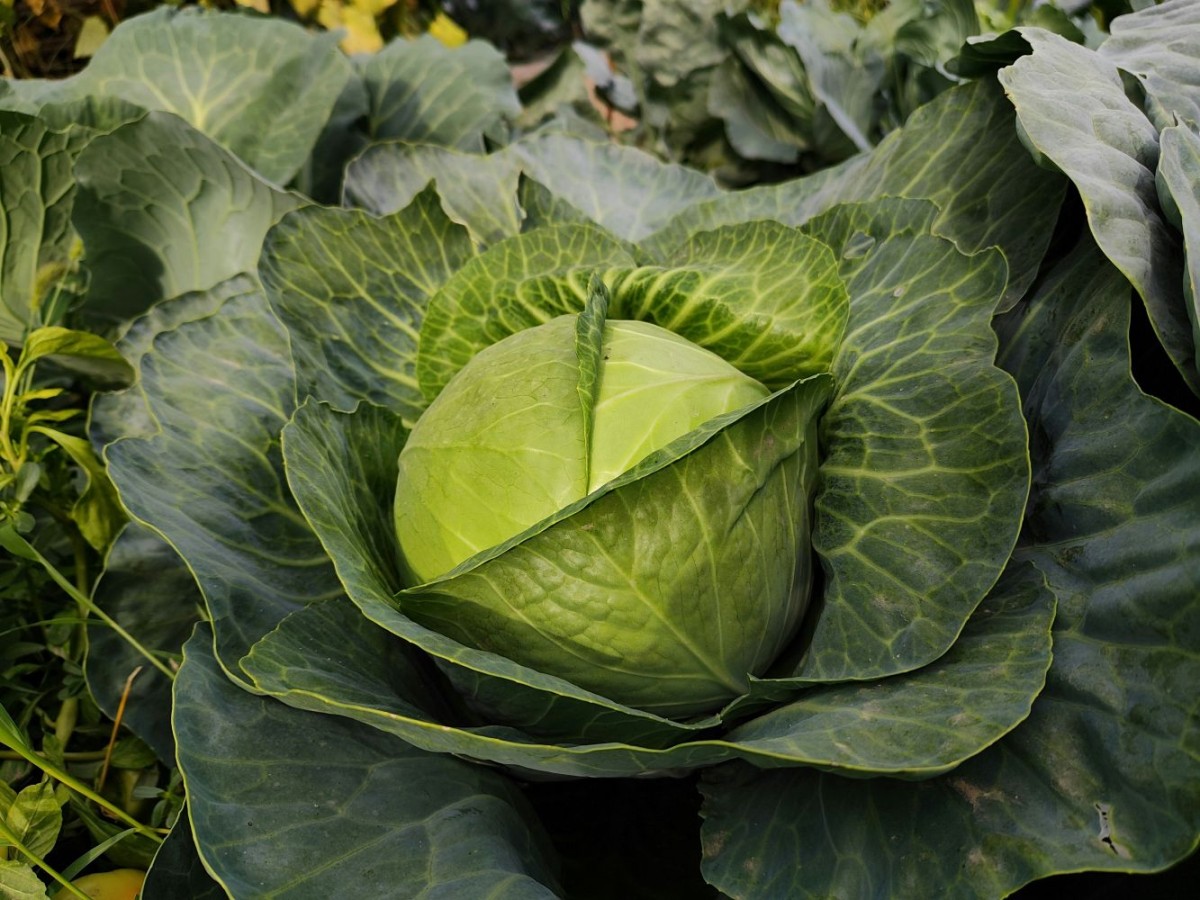
Cabbage
Transplant sturdy, pre-grown seedlings into the ground. Apply a thick layer of straw mulch around the base to retain moisture.
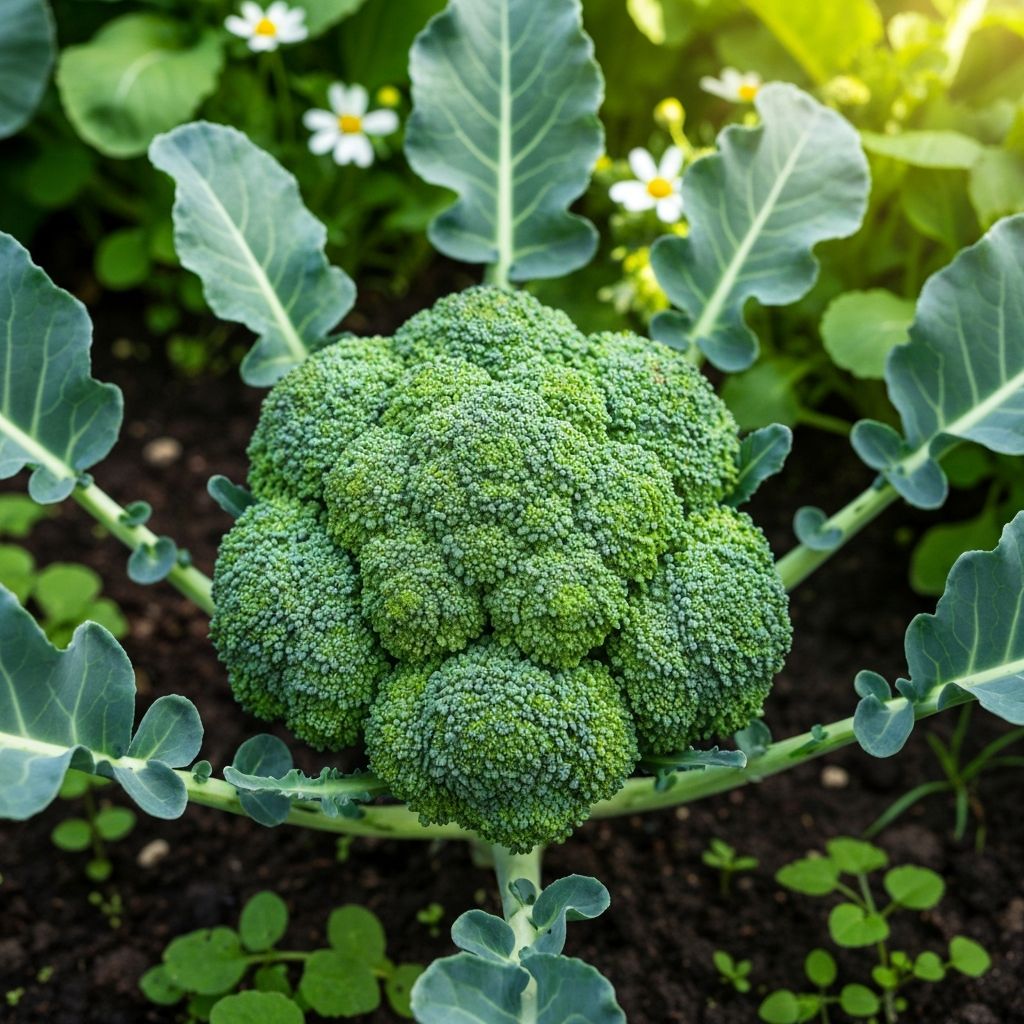
Broccoli
Transplant established seedlings during a cool, overcast afternoon to minimize transplant shock.
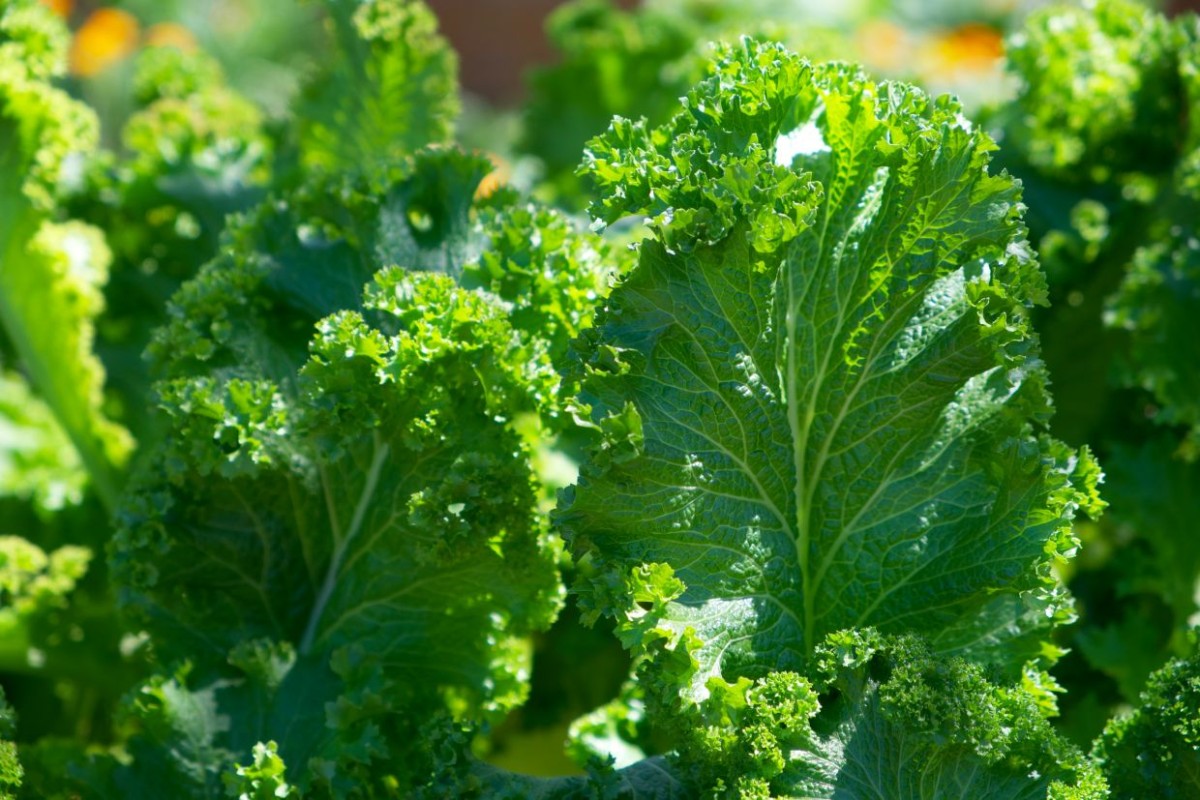
Kale
Transplant seedlings outdoors. The flavor sweetens significantly after the first frosts in October and November.
Tasks
Monthly tasks
Apply a thick layer of organic mulch (straw, compost, or dried leaves) to all planting beds to reduce soil water evaporation and lower root temperatures. Provide temporary shade cloth over newly sown beds to protect emerging seedlings from intense afternoon sun. Monitor closely for pests like flea beetles and aphids, which thrive in hot, dry conditions. Clear finished summer crops to prepare beds for autumn plantings.