What to plant in Ceuta in September
September in Ceuta marks the transition into autumn, offering pleasant temperatures with an average of 21.4°C and decreasing daylight hours. This month is ideal for sowing a wide range of cool-season vegetables and preparing for the increased rainfall expected in the coming months. Gardeners can focus on establishing crops that will thrive through the mild Ceuta winter.
Emportez Oflivio partout
Téléchargez l'app et recevez des recommandations personnalisées pour votre jardin

Semis
Semis recommandé
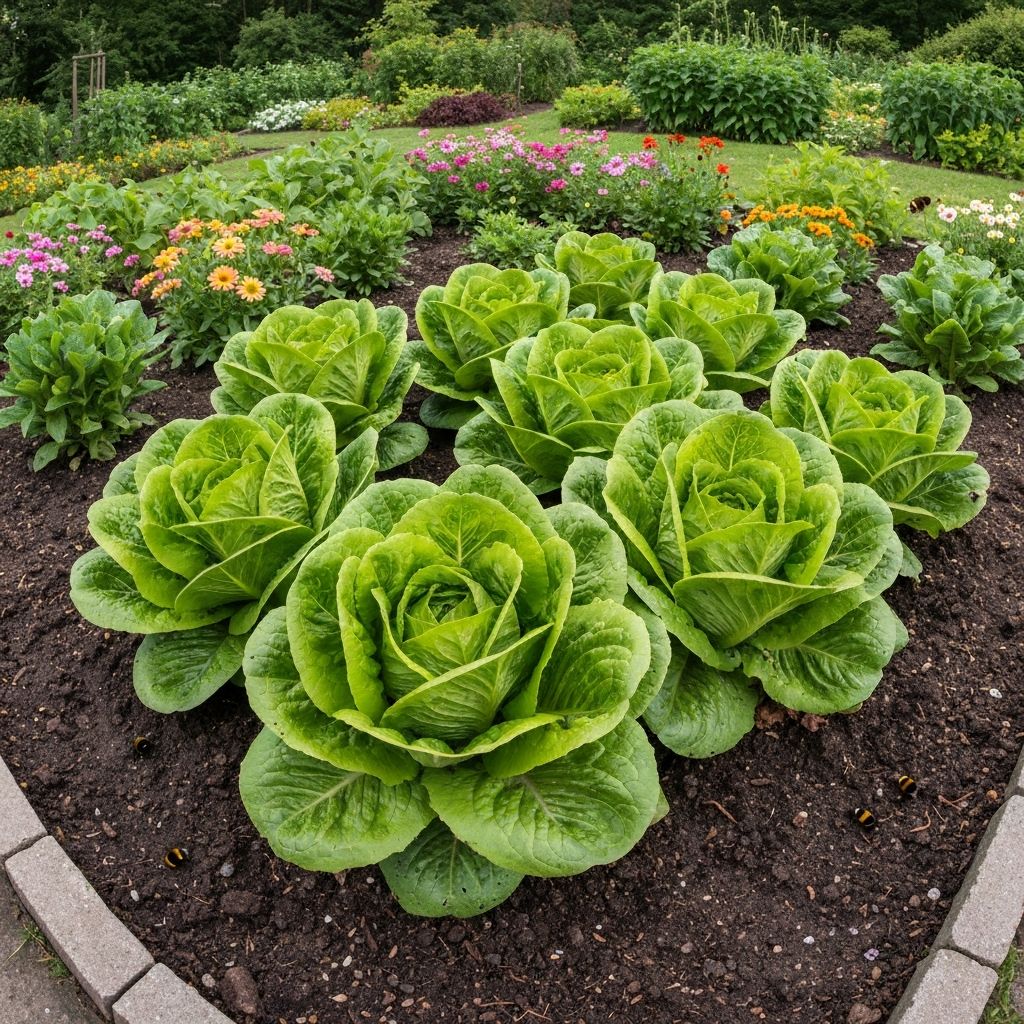
Lechuga
Direct sow outdoors. Prefers well-drained soil.
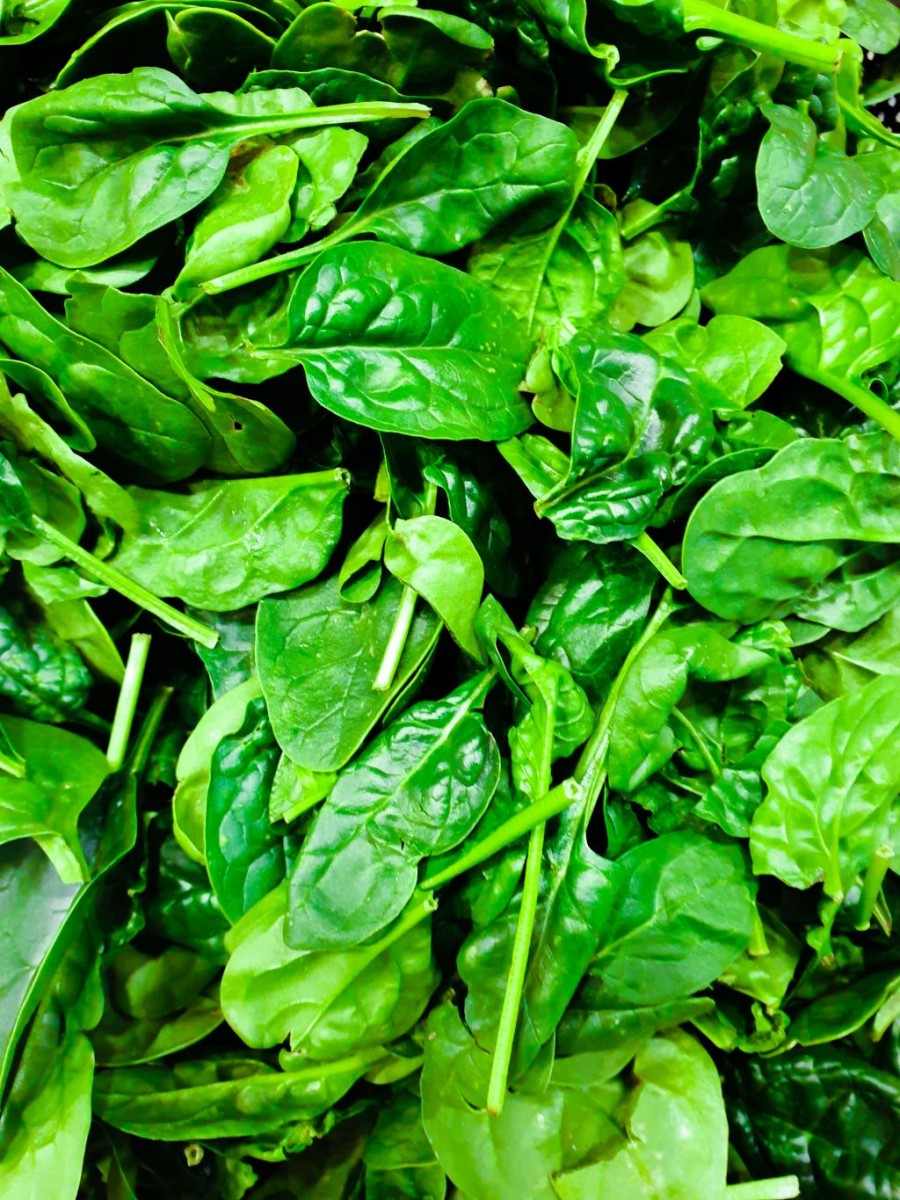
Espinaca
Direct sow outdoors. Tolerates cooler temperatures.
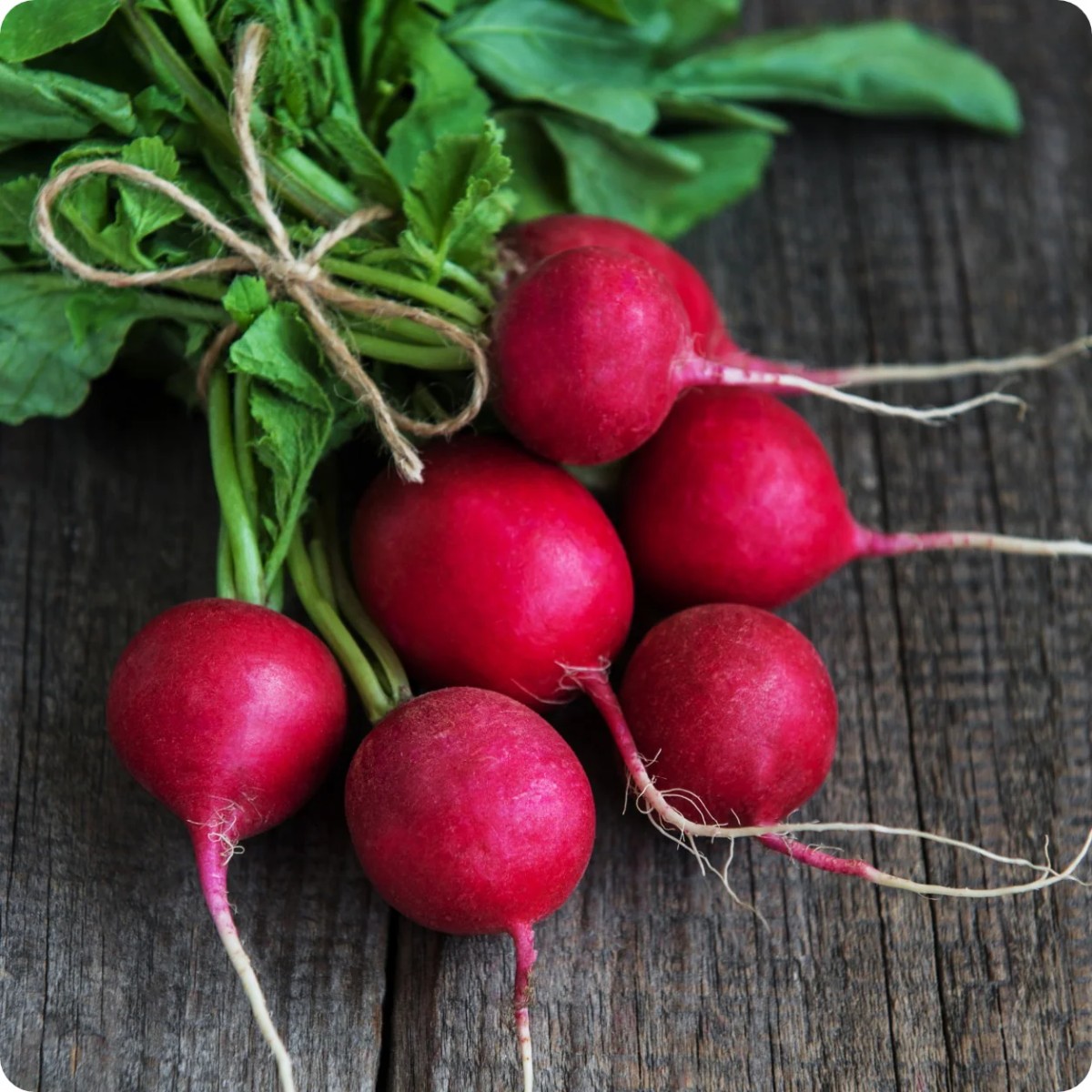
Rábano
Direct sow outdoors. Harvest promptly to prevent woodiness.
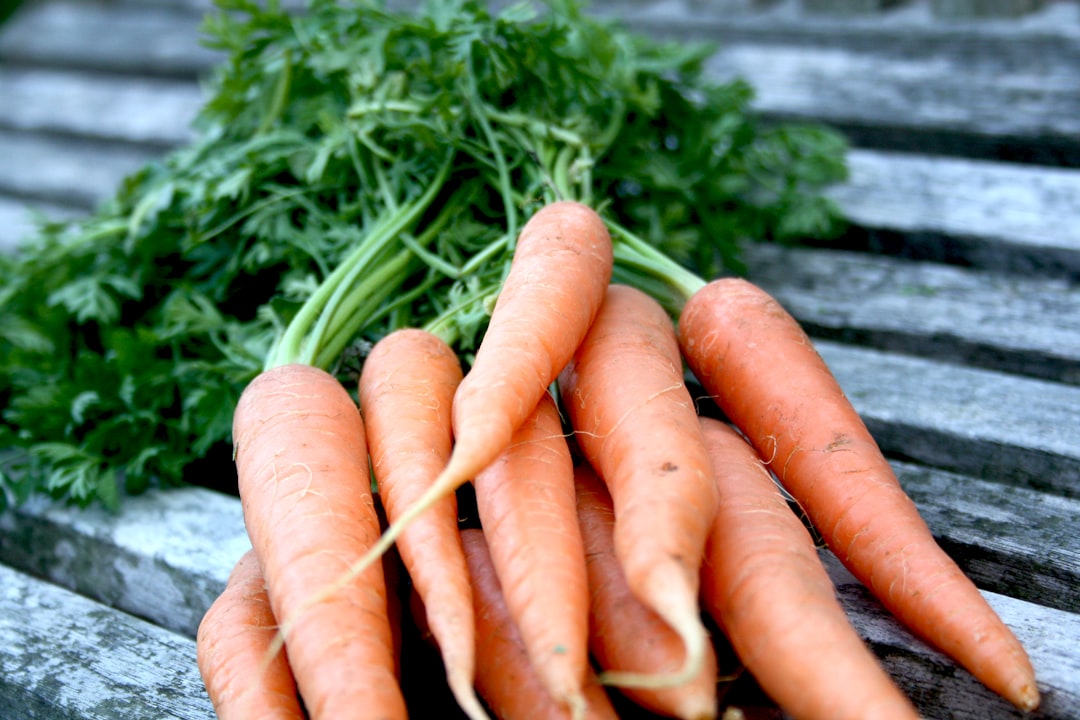
Zanahoria
Direct sow outdoors in deep, loose soil. Thin seedlings for optimal growth.
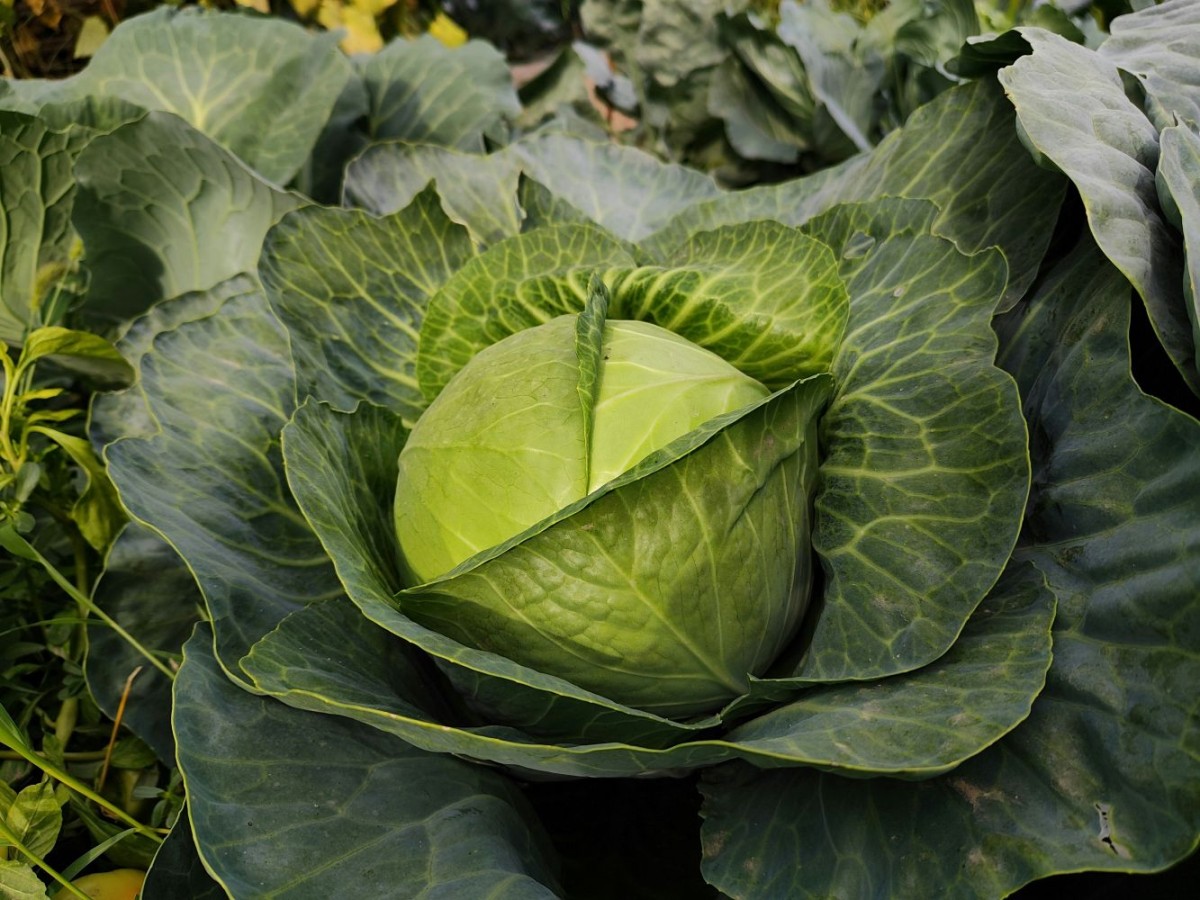
Col (Repollo)
Direct sow outdoors or start in seedbeds. Requires fertile soil.
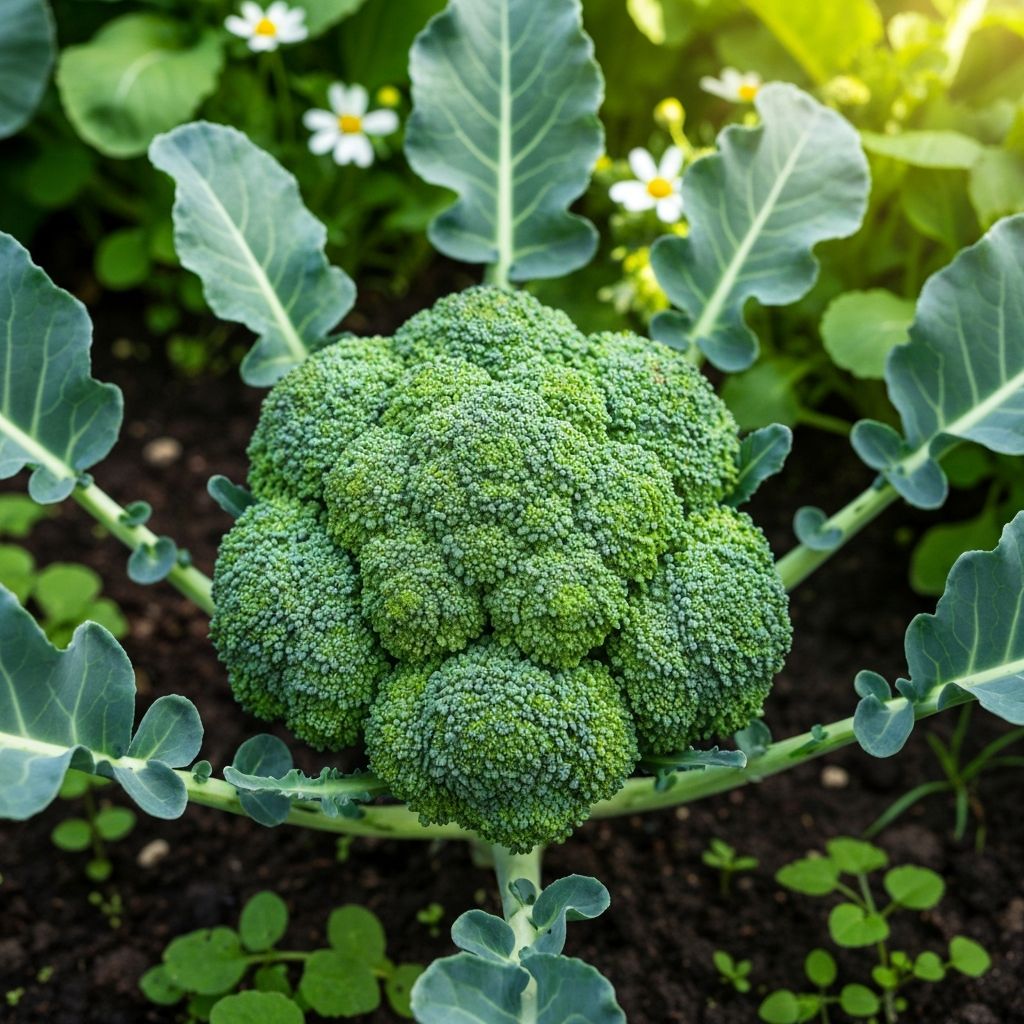
Brócoli
Direct sow outdoors or start in seedbeds. Requires fertile, well-drained soil.
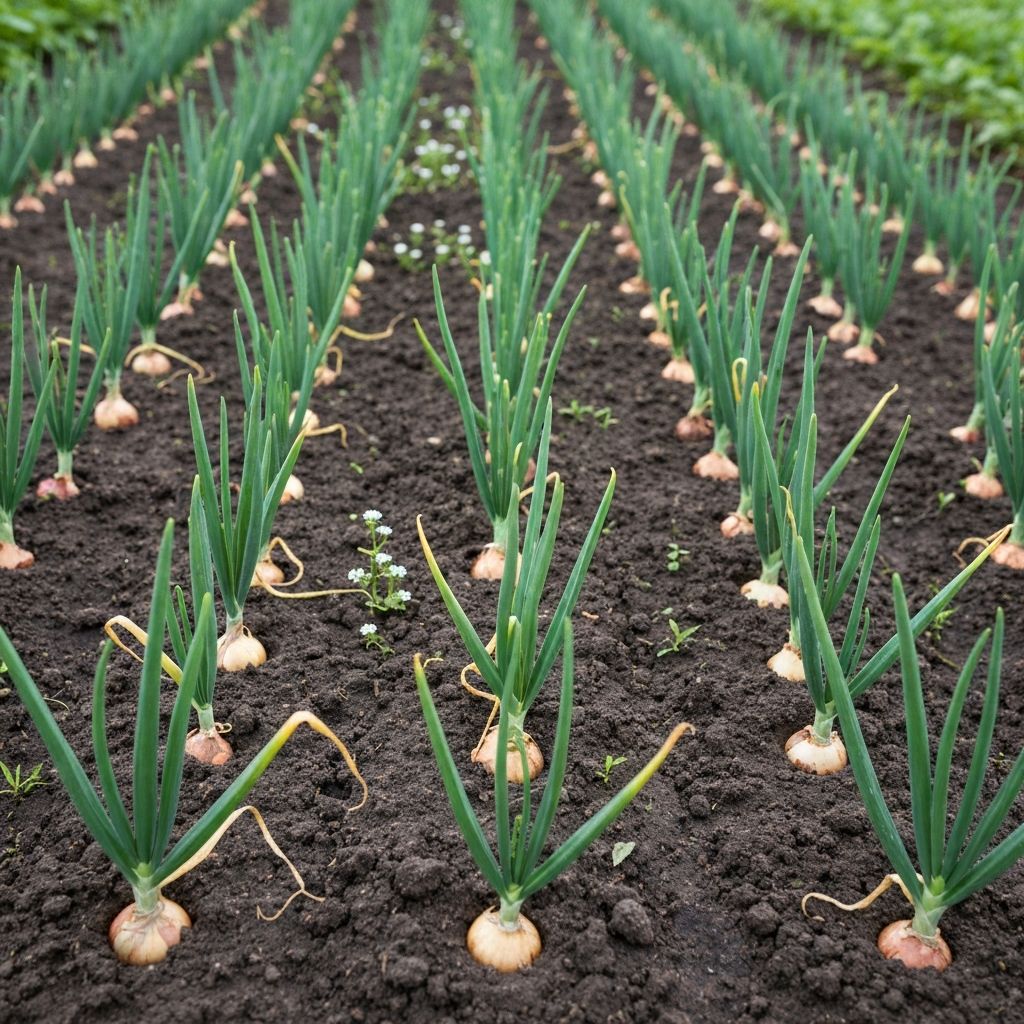
Cebolla
Direct sow outdoors. Requires good drainage.
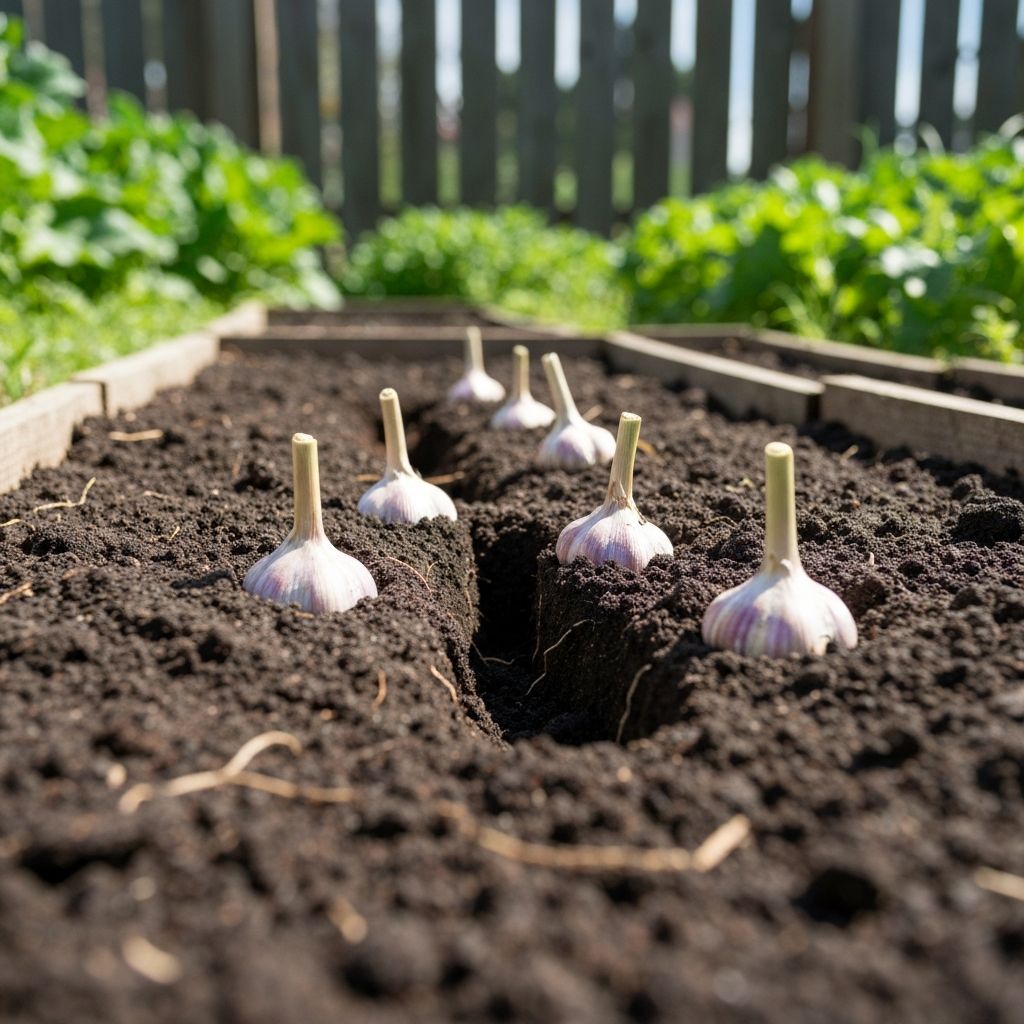
Ajo
Plant individual cloves directly outdoors. Choose a sunny, well-drained spot.
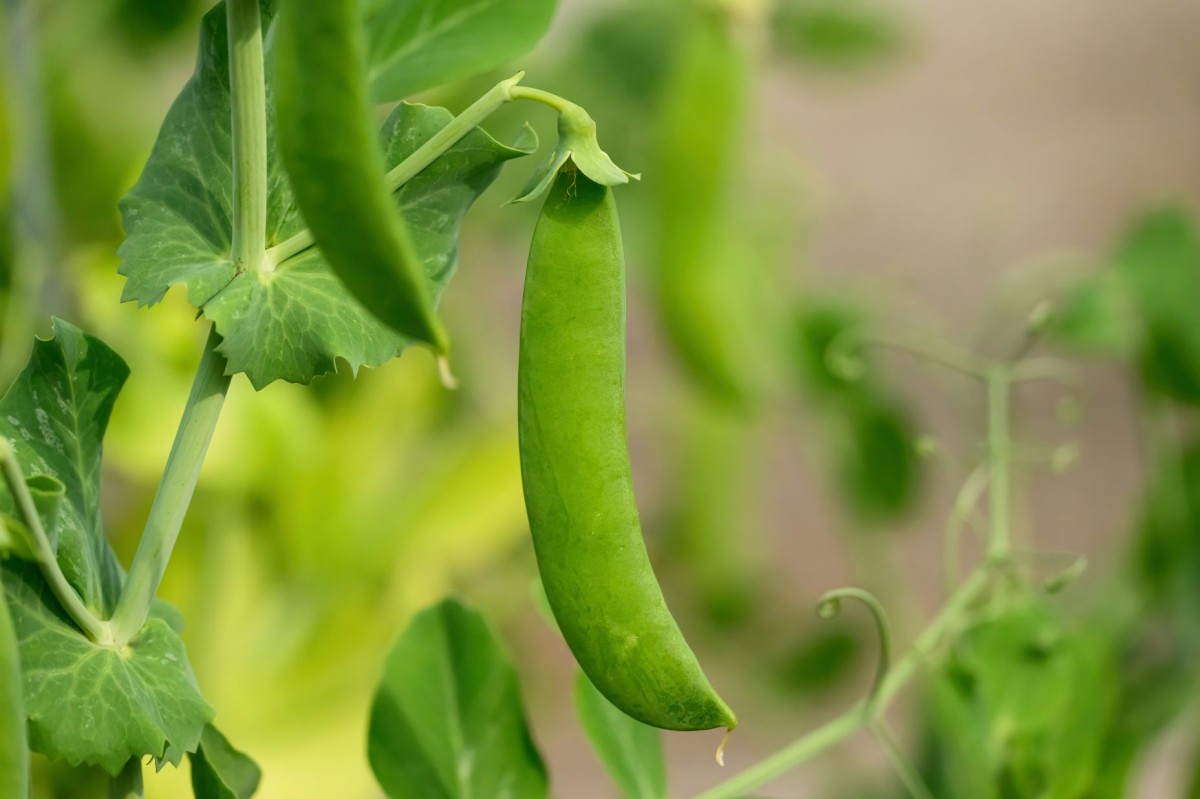
Guisante
Direct sow outdoors. Provide support for climbing varieties.
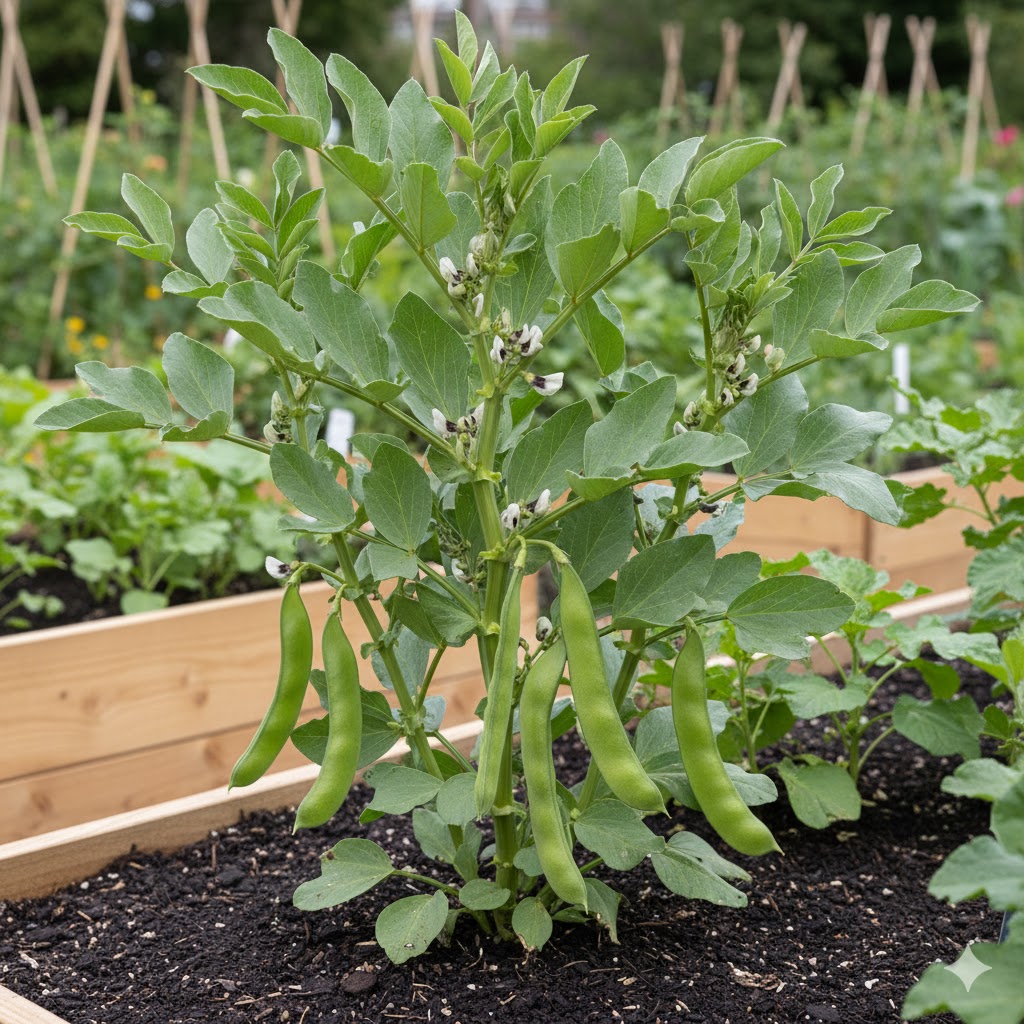
Habas
Direct sow outdoors. Improve soil with organic matter.
Plants
Plants
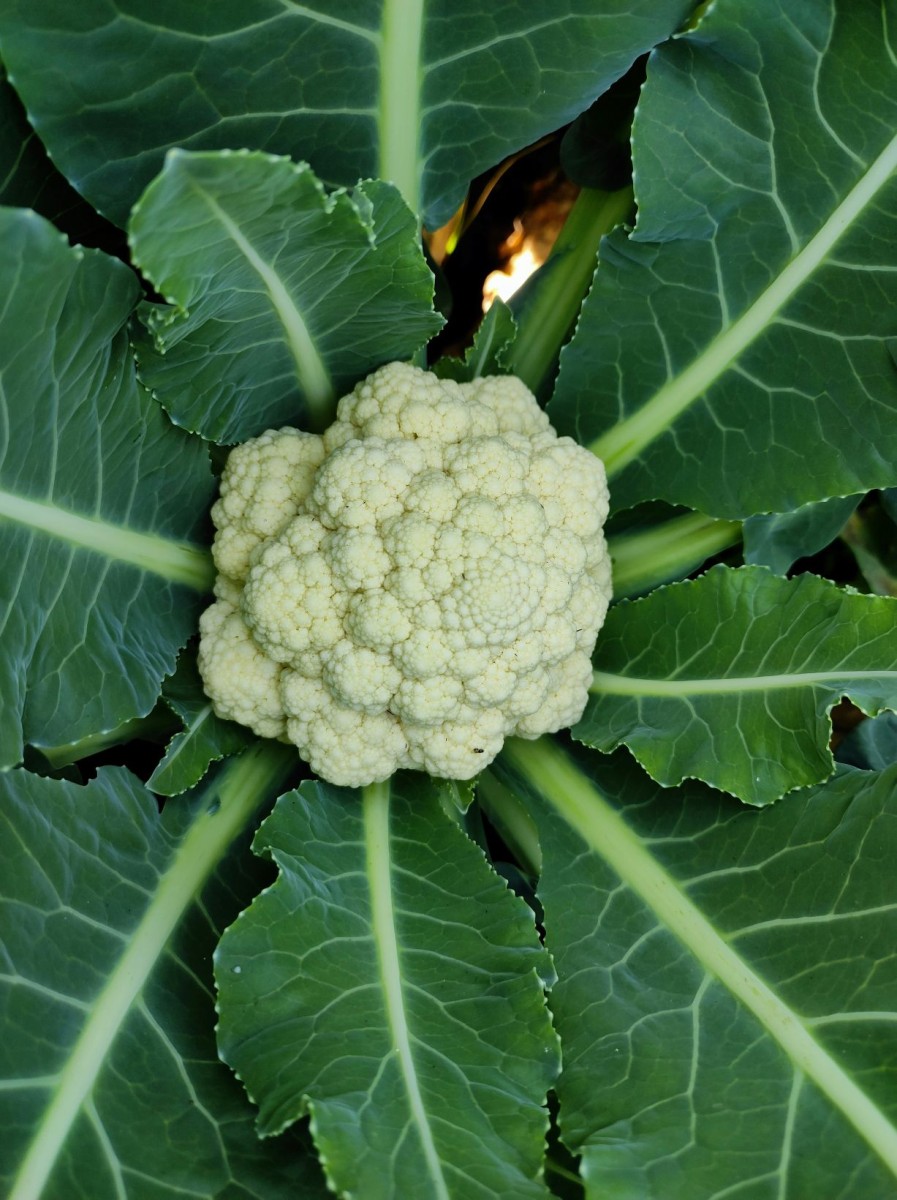
Coliflor
Transplant pre-grown seedlings outdoors. Requires fertile, well-drained soil.
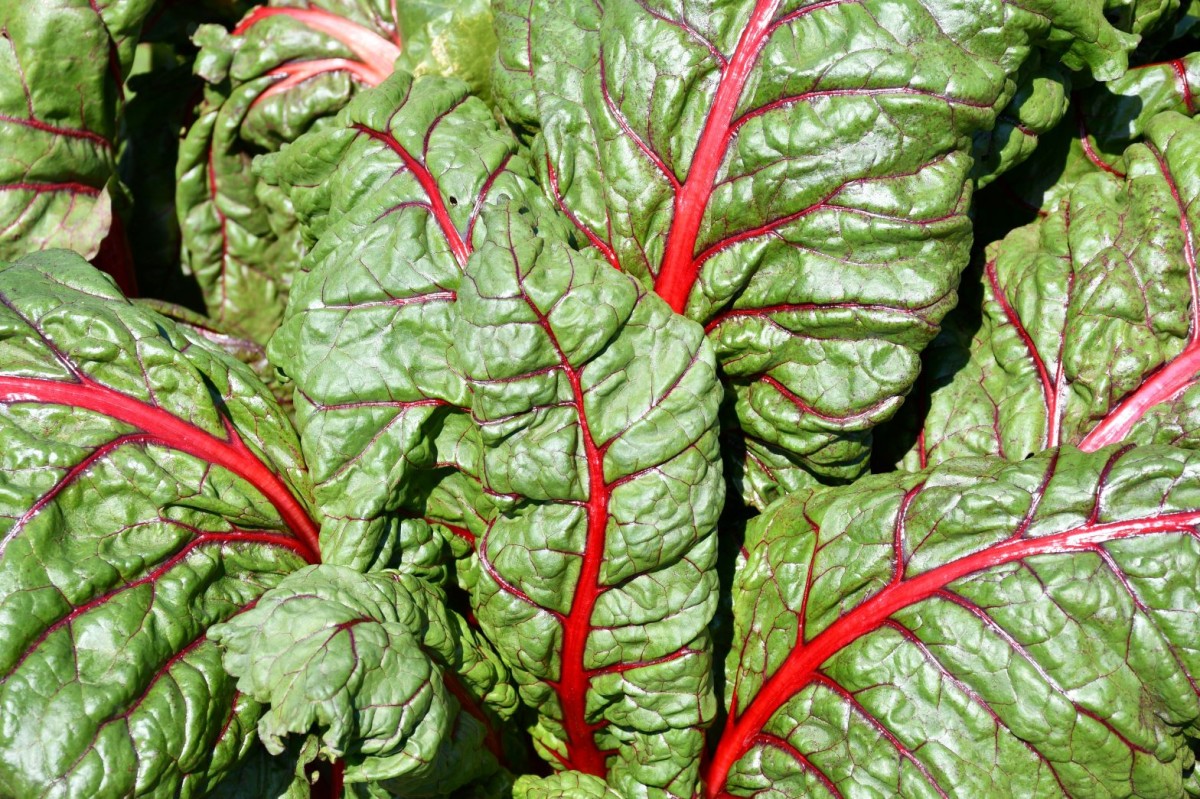
Acelga
Transplant pre-grown seedlings outdoors. Tolerates a range of soil types.
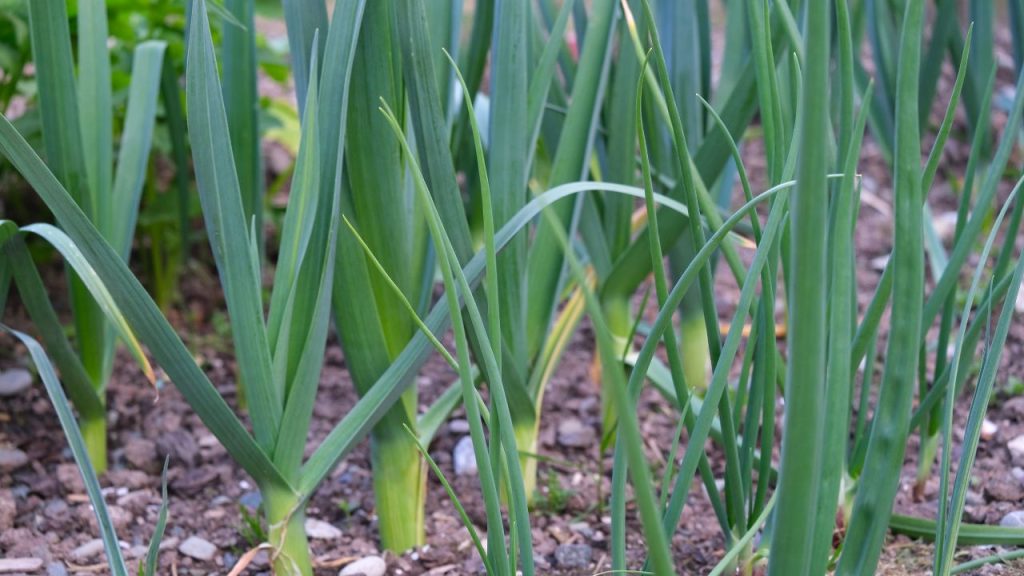
Puerro
Transplant pre-grown seedlings outdoors. Plant deeply for long white stems.
Tasks
Monthly tasks
As temperatures begin to drop and rainfall increases, focus on soil preparation, incorporating organic matter to improve drainage and fertility. Monitor for early signs of fungal diseases due to increased humidity. Continue weeding, and consider applying mulch around established plants to conserve moisture and regulate soil temperature. Prepare for potential strong winds by staking taller plants if necessary. Harvest summer crops that are still producing, and clear spent plants to prevent pest and disease buildup.