What to plant in Tuscany in October
October in Tuscany offers mild autumn conditions with an average temperature of 17°C and moderate rainfall of nearly 90mm. These optimal parameters classify the period under FULL SOWING, making it excellent for establishing cold-hardy green crops, root vegetables, and overwintering legumes before winter temperatures arrive in December.
Bawa Oflivio bersamamu
Unduh aplikasi dan dapatkan rekomendasi personal untuk kebunmu

Penanaman
Penanaman yang direkomendasikan
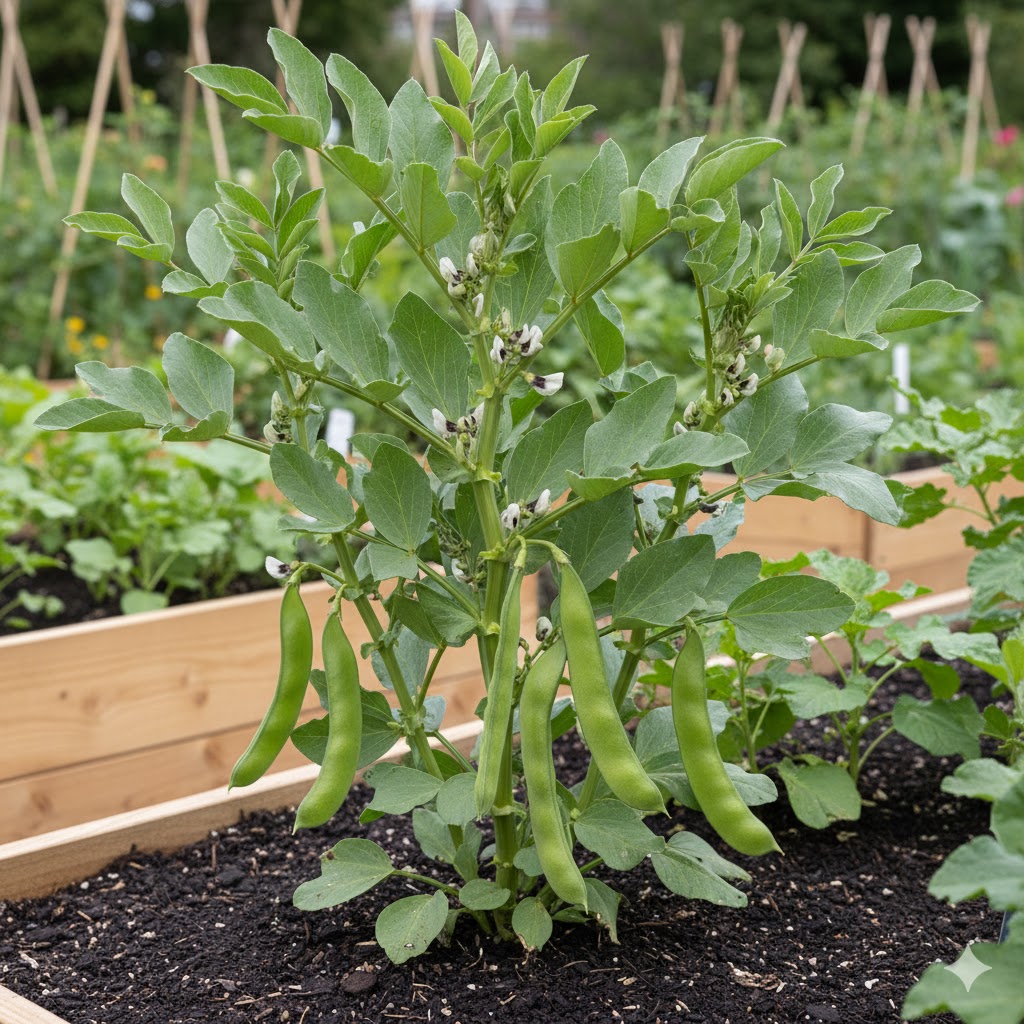
Broad Beans (Fava Beans)
Sow seeds directly outdoors 5 cm deep; the mild October temperatures support strong root growth before winter.
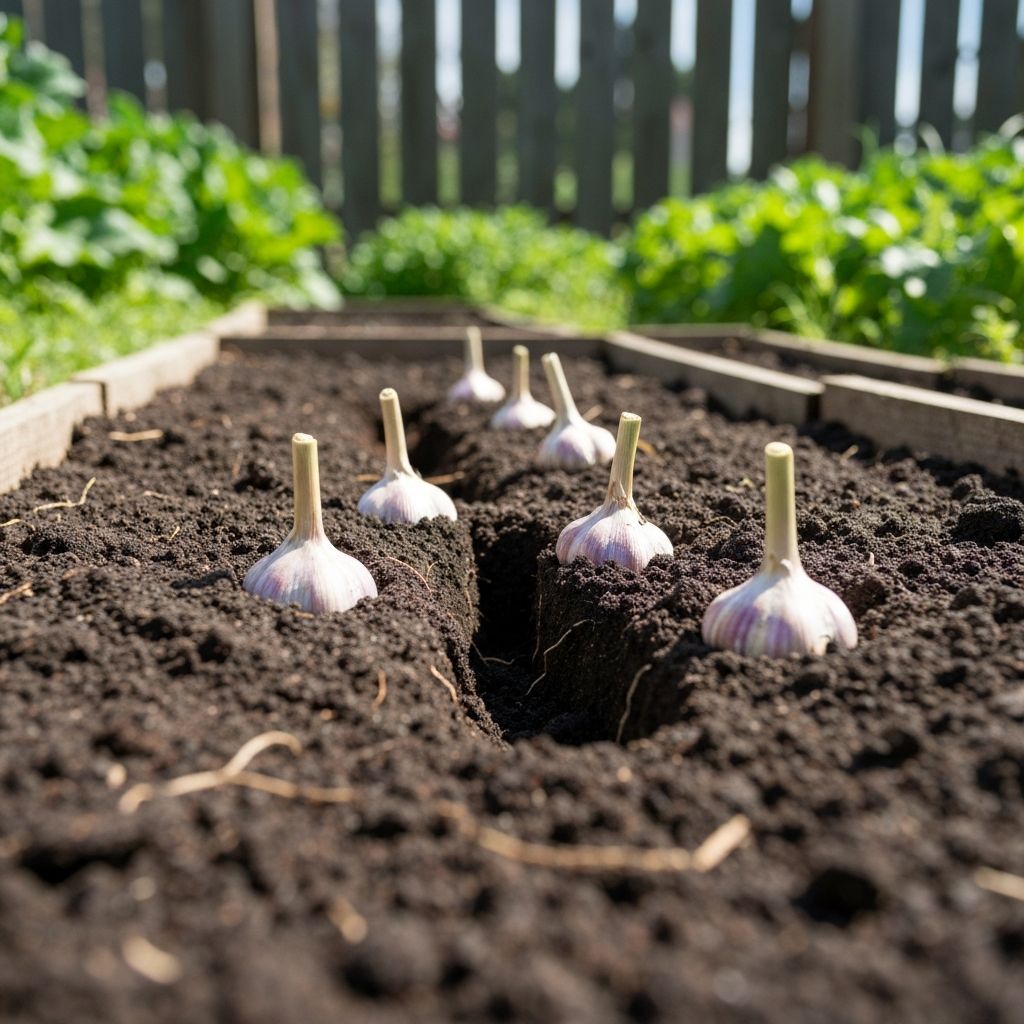
Garlic
Plant individual cloves directly in well-draining soil, pointed end up, 3-5 cm deep.
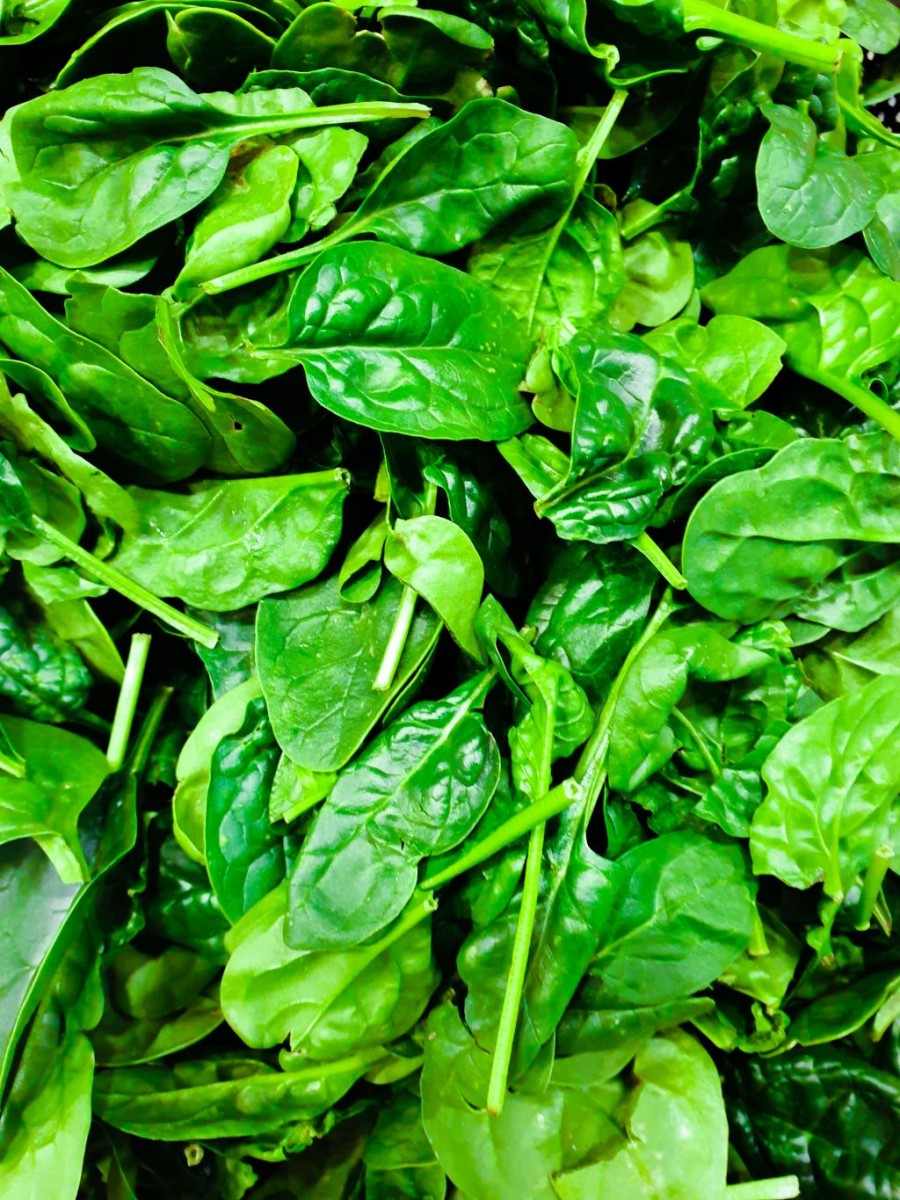
Spinach
Directly sow seeds in shallow rows. October's mild warmth accelerates germination before November cooling.
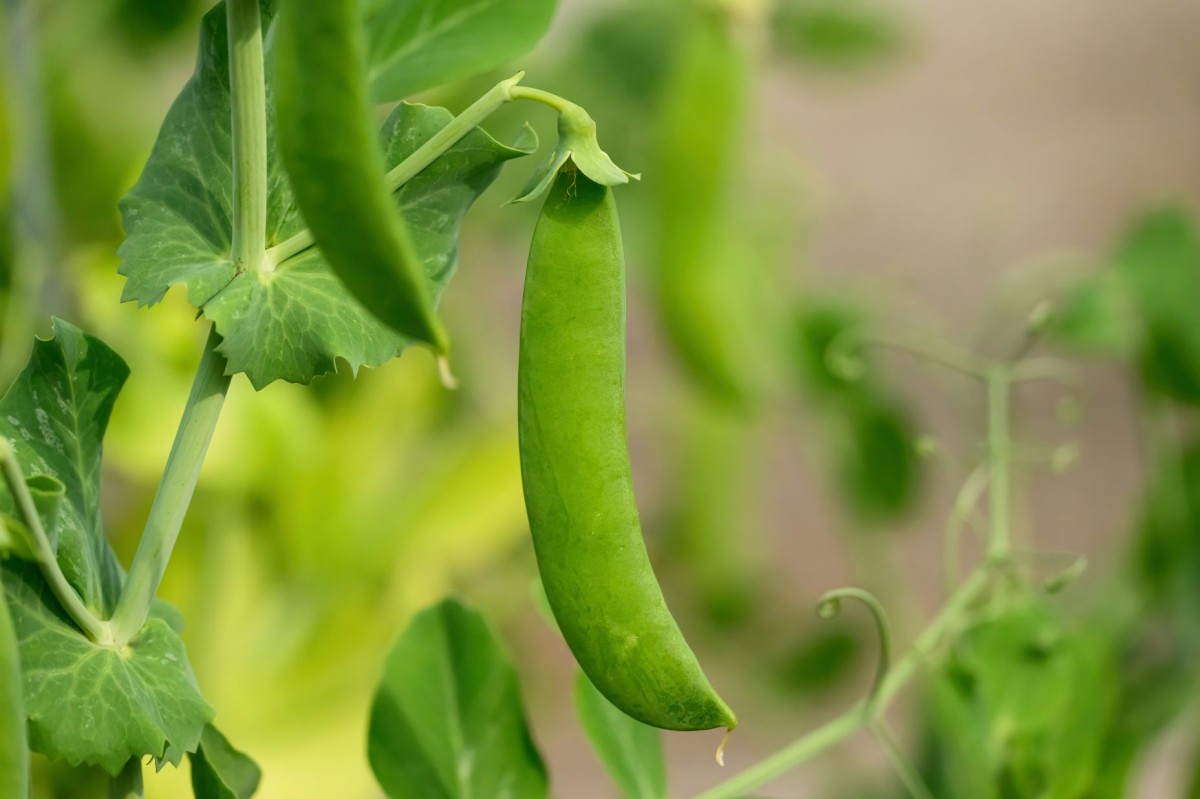
Peas
Sow directly outdoors; autumn sowing yields earlier harvests than spring sowing in mild climates like Tuscany.
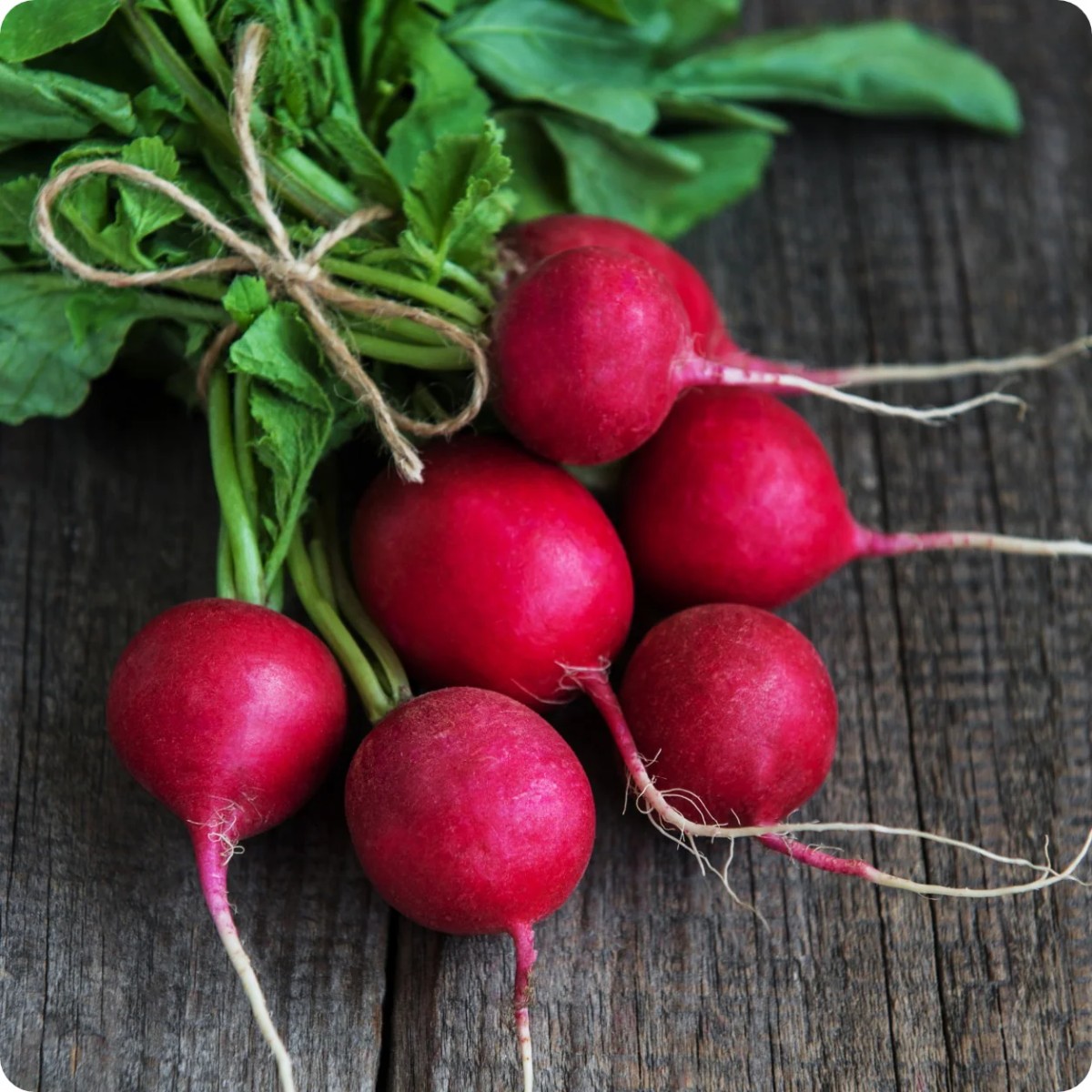
Radish
Sow seeds directly in shallow drills. Takes advantage of October's 17°C mean temperature for rapid development.
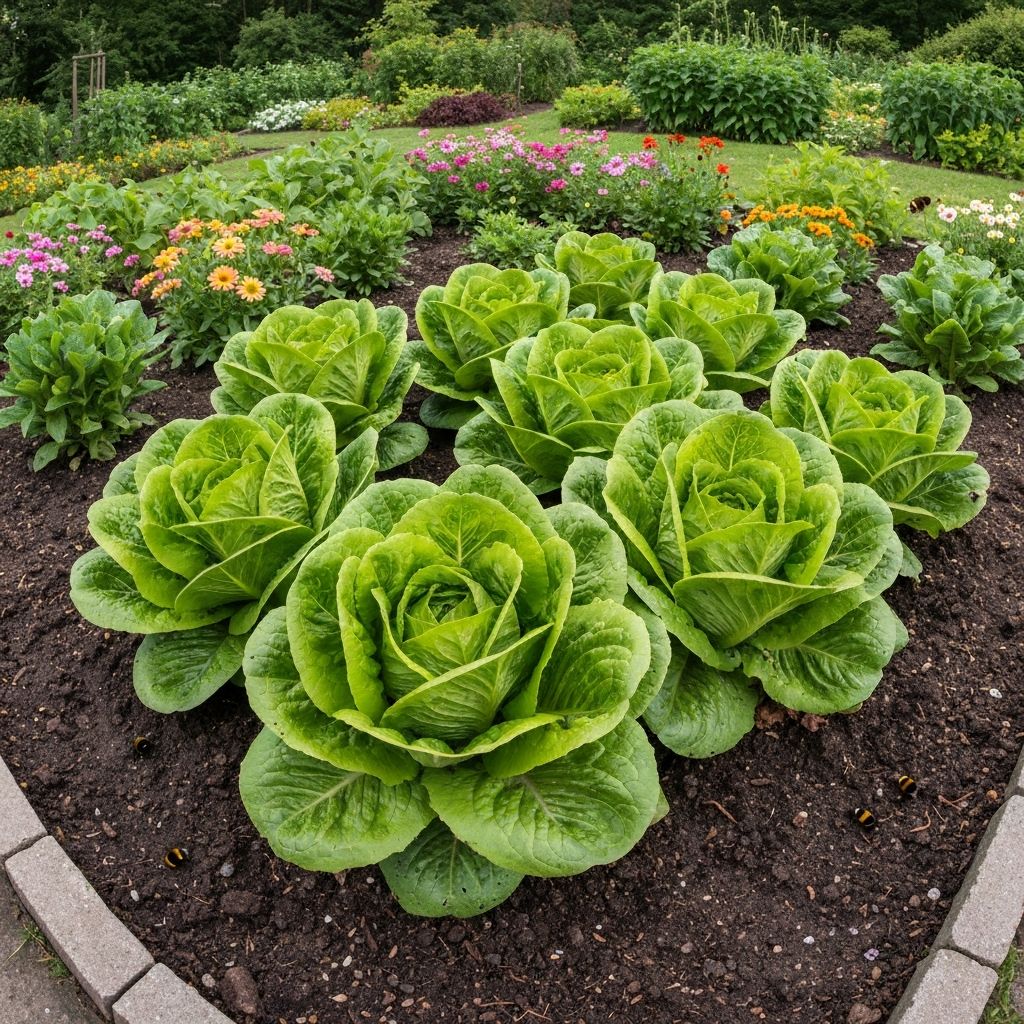
Winter Lettuce
Direct sow or thin to 20 cm apart. Protect with light fleece later in the season as November cool arrives.
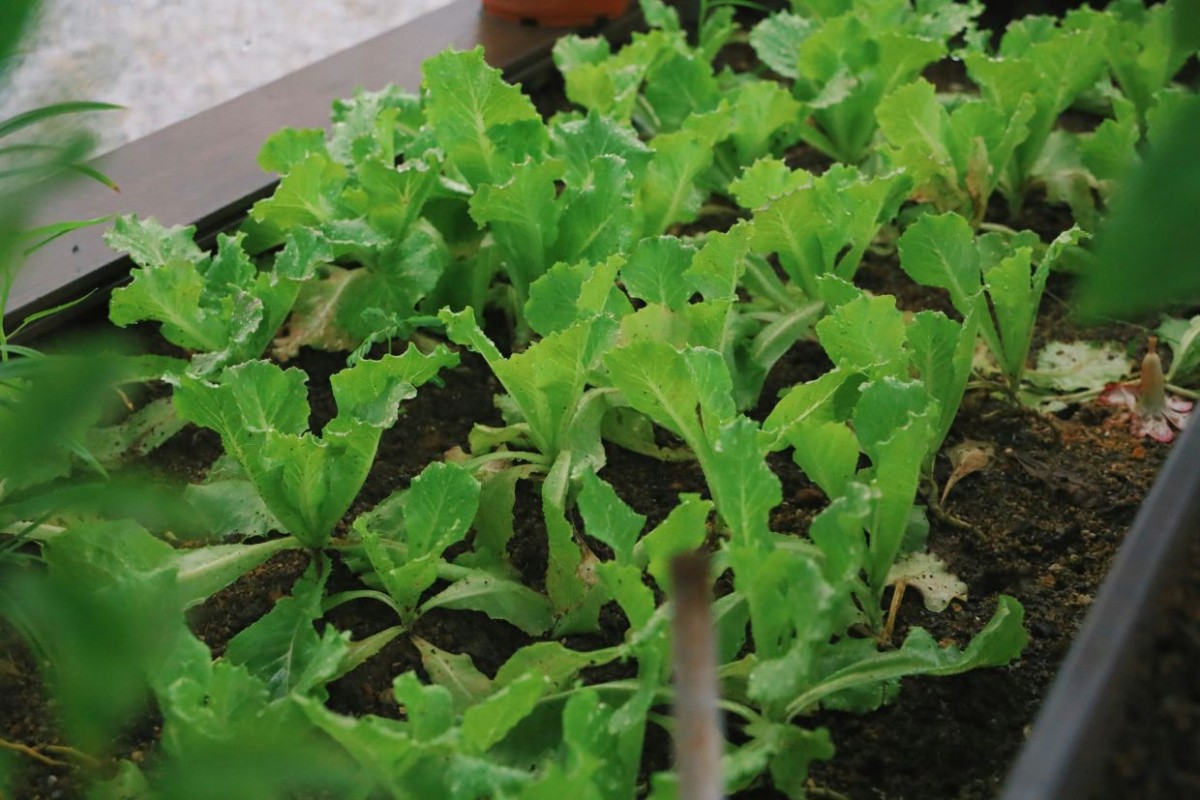
Arugula (Rocket)
Sow directly into weed-free soil. Germinates quickly under current daily average temperatures.
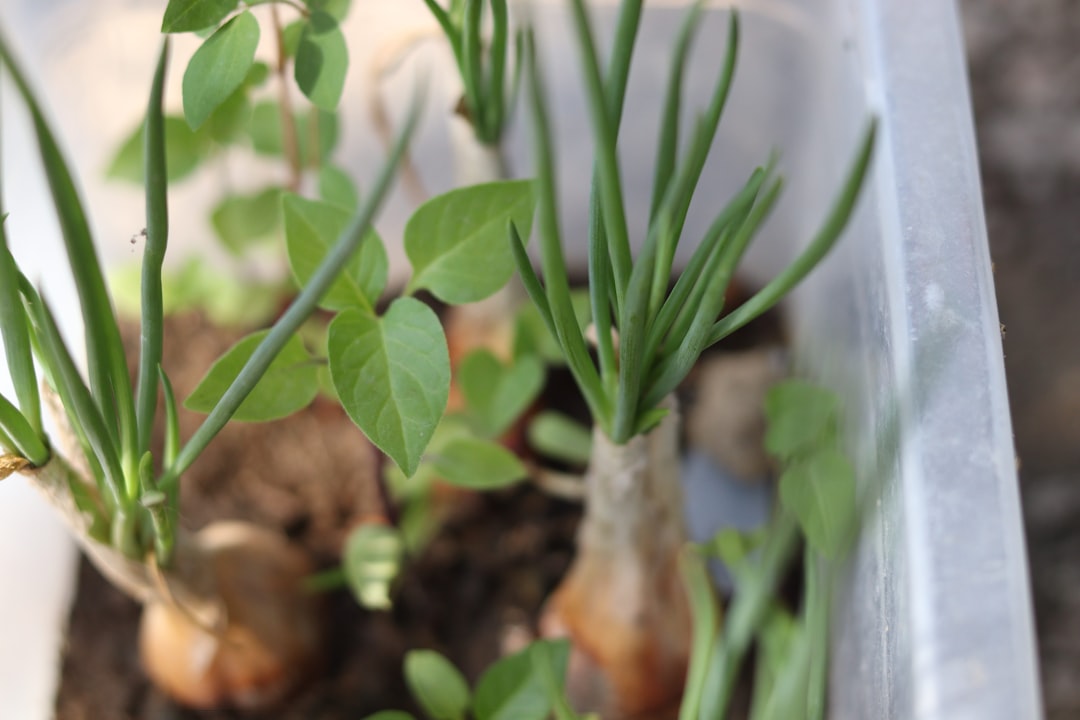
Spring Onion / Scallion
Sow in fine tilth directly outdoors. Slow early growth benefits from early October establishment.
Bibit
Bibit
Tuscan Kale (Cavolo Nero)
Transplant pre-grown nursery seedlings into enriched soil, spacing them 40-50 cm apart.
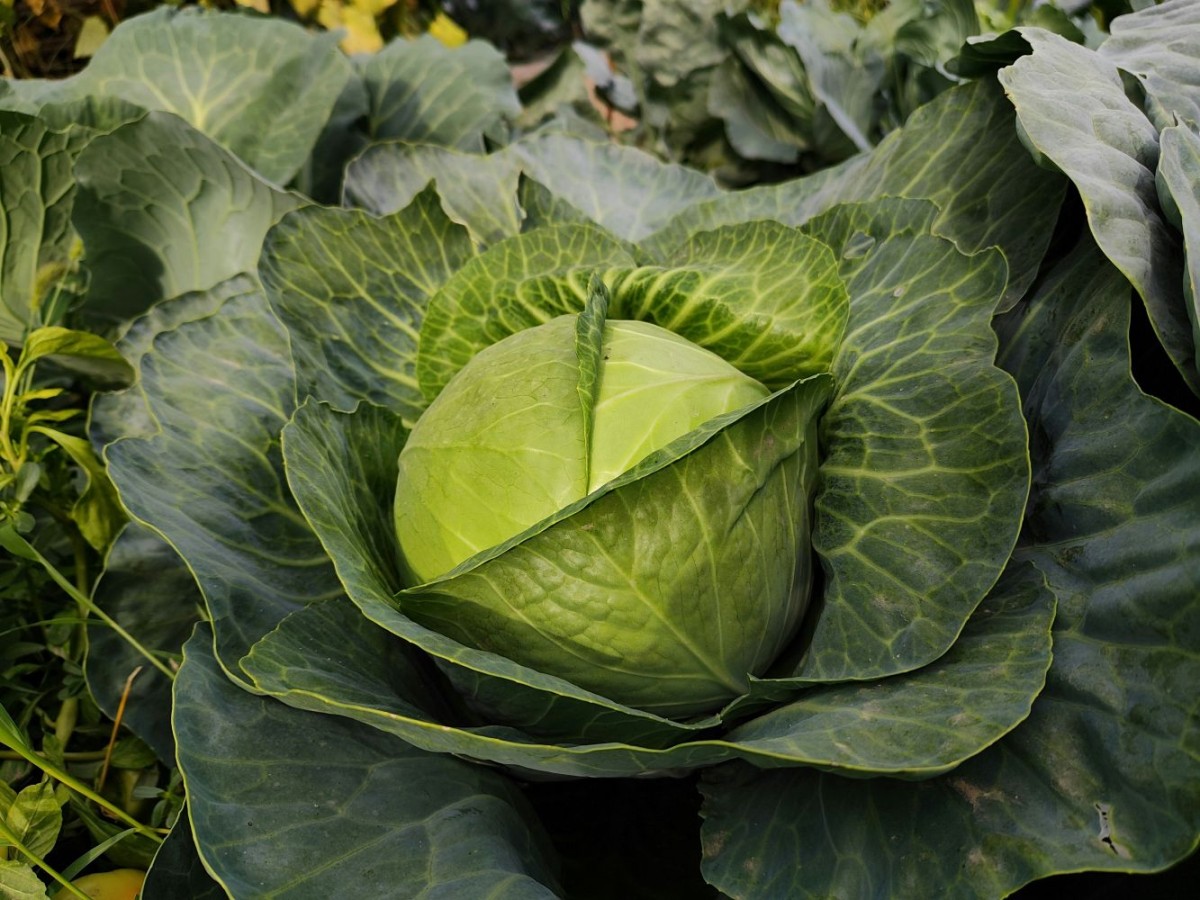
Cabbage
Transplant established plug plants directly into firm garden beds. Press soil firmly around roots.
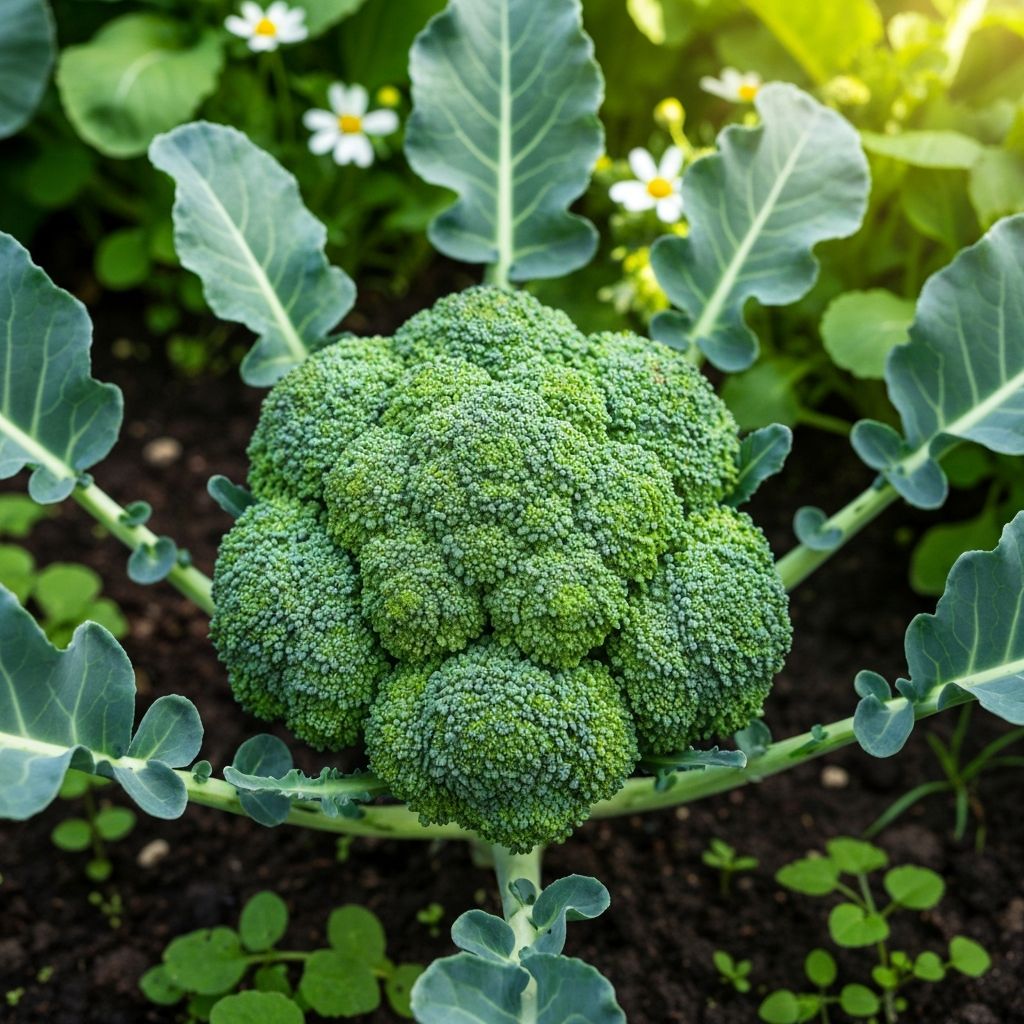
Broccoli
Set pre-grown seedlings into the ground. Ensure adequate spacing to allow adequate air circulation.
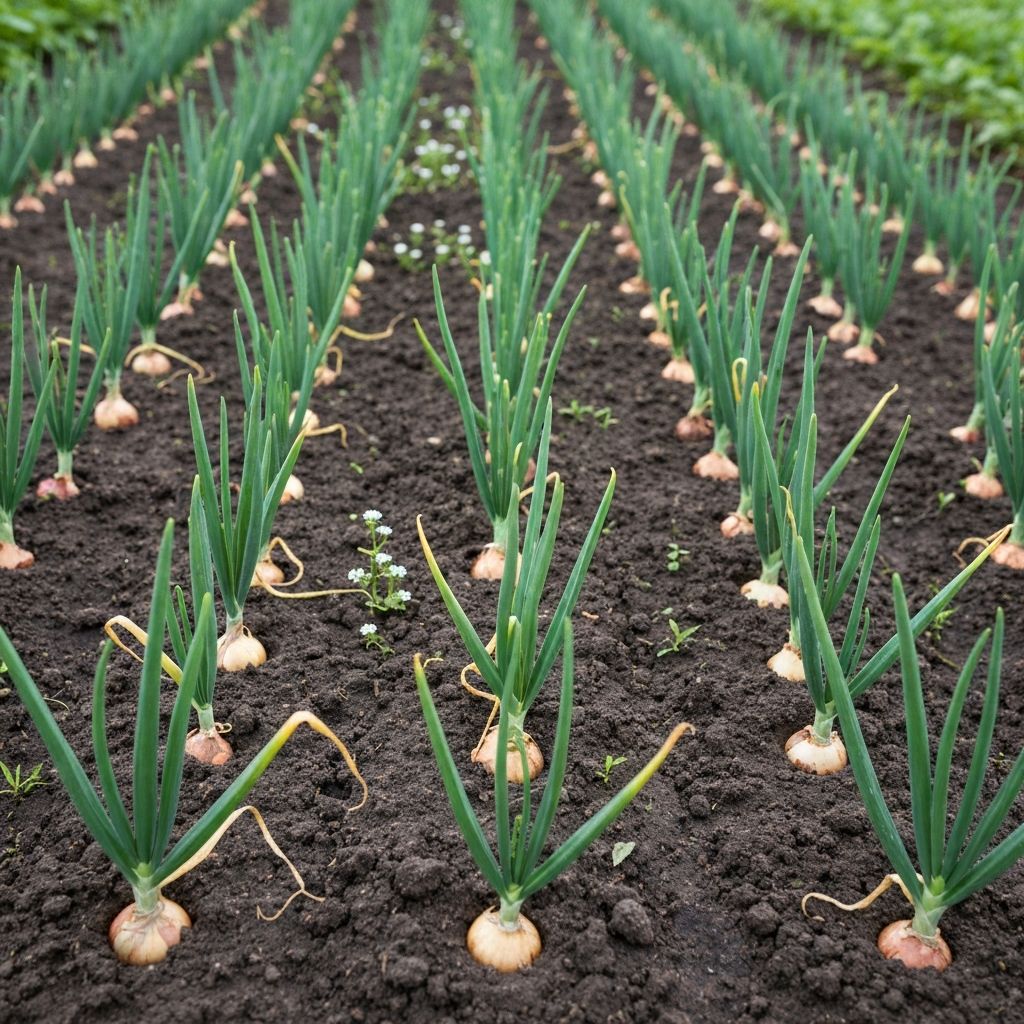
Onion Sets
Plant small dormant bulb sets directly into the ground with tips just showing above the soil line.
Tasks
Monthly tasks
Clear clear finished summer crop debris to reduce overwintering pest populations. Apply a 5 cm layer of organic mulch around newly set seedlings to retain soil warmth and suppress cool-season weeds. Prepare empty beds for spring by incorporating compost or sowing a cover crop like vetch or rye.