What to plant in Solothurn in October
October in Solothurn, Switzerland, marks a transition into cooler autumn weather, with average temperatures around 10.6°C and significant rainfall. This month is suitable for sowing cold-tolerant crops directly outdoors and preparing for the colder months ahead. Gardeners should focus on hardy varieties that can establish before winter.
Oflivio를 휴태하세요
앱을 다운로드하고 정원을 위한 맞춤형 추천을 받아보세요

파종
추천 파종
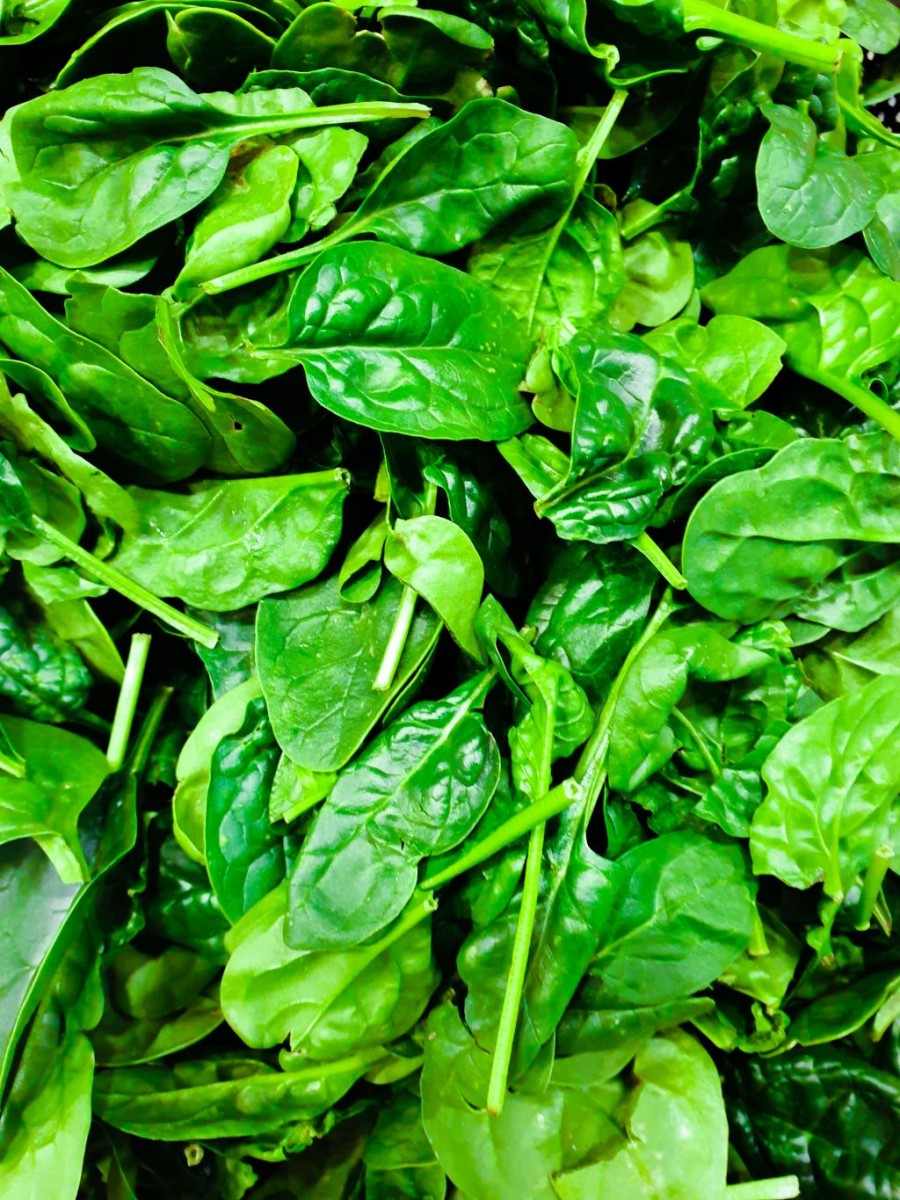
Spinach
Direct sow in well-drained soil. Can be harvested young or left to overwinter.
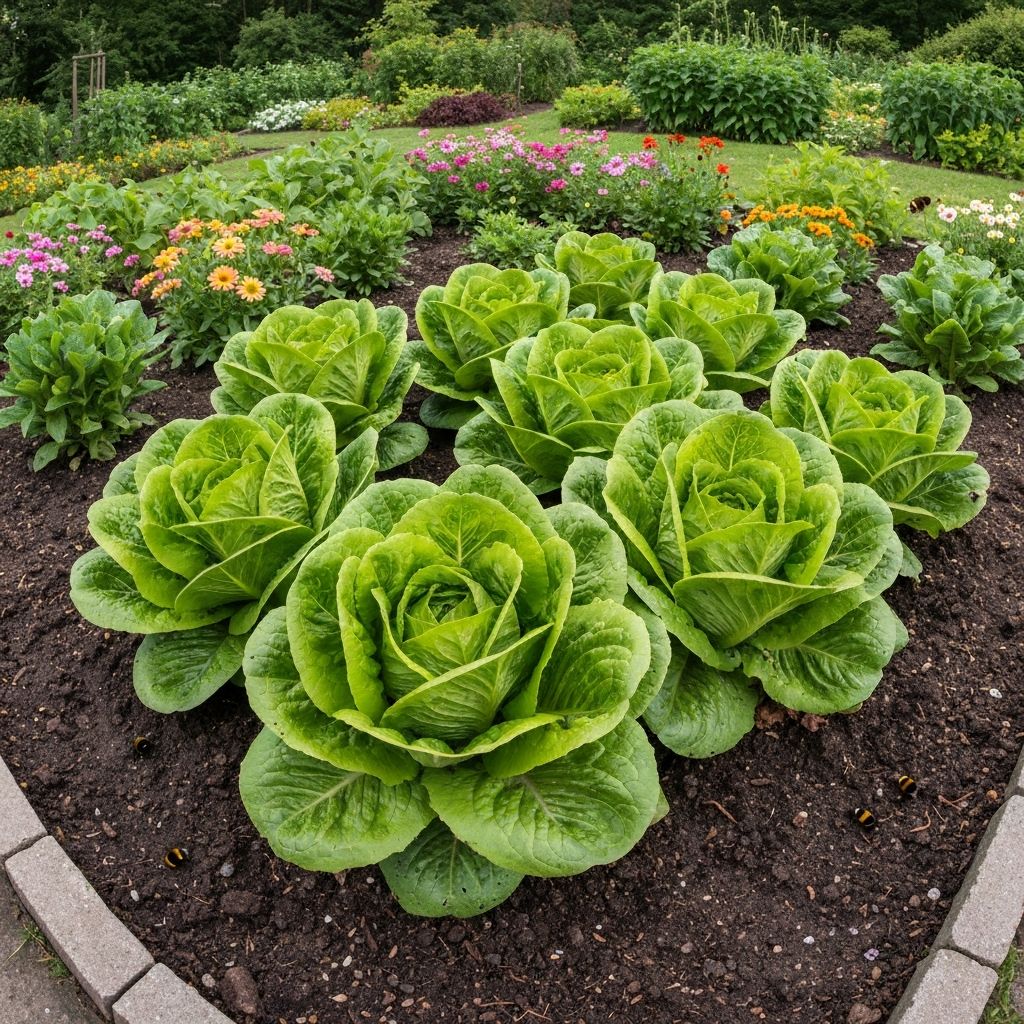
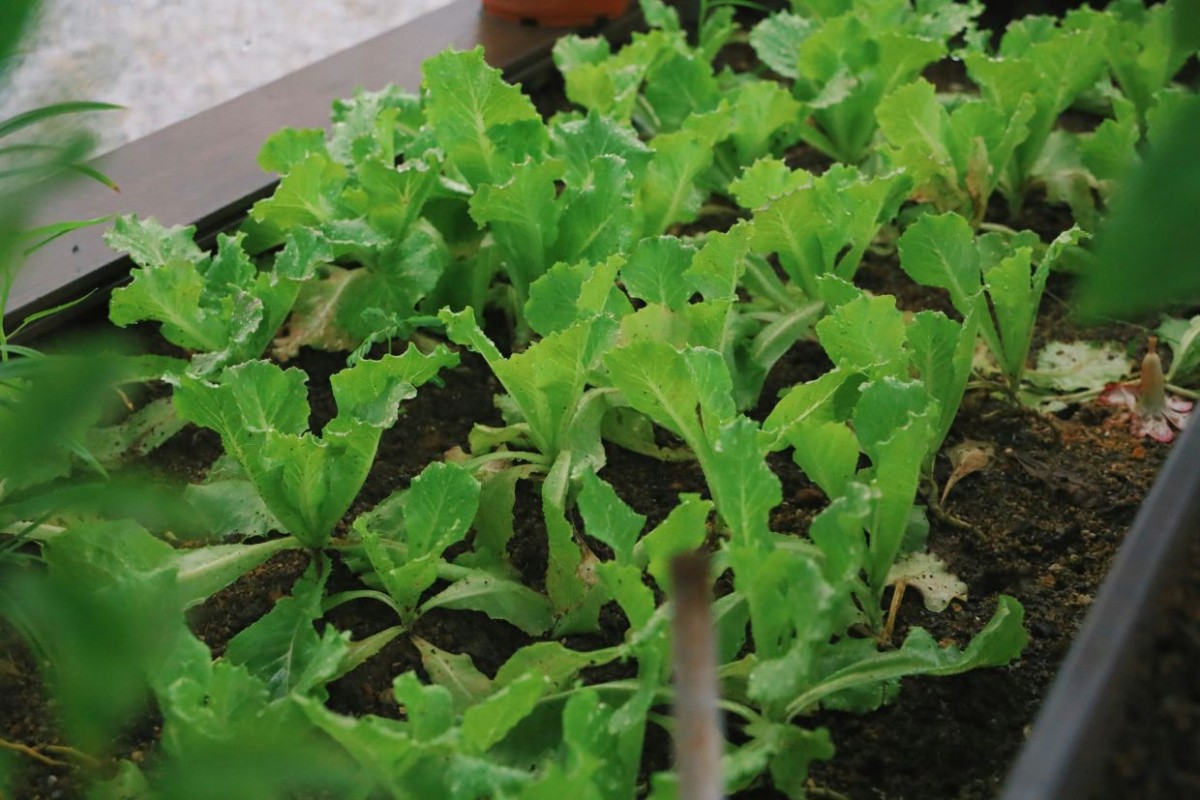
Winter Lettuce
Direct sow. Protect with cloches or cold frames as temperatures drop.
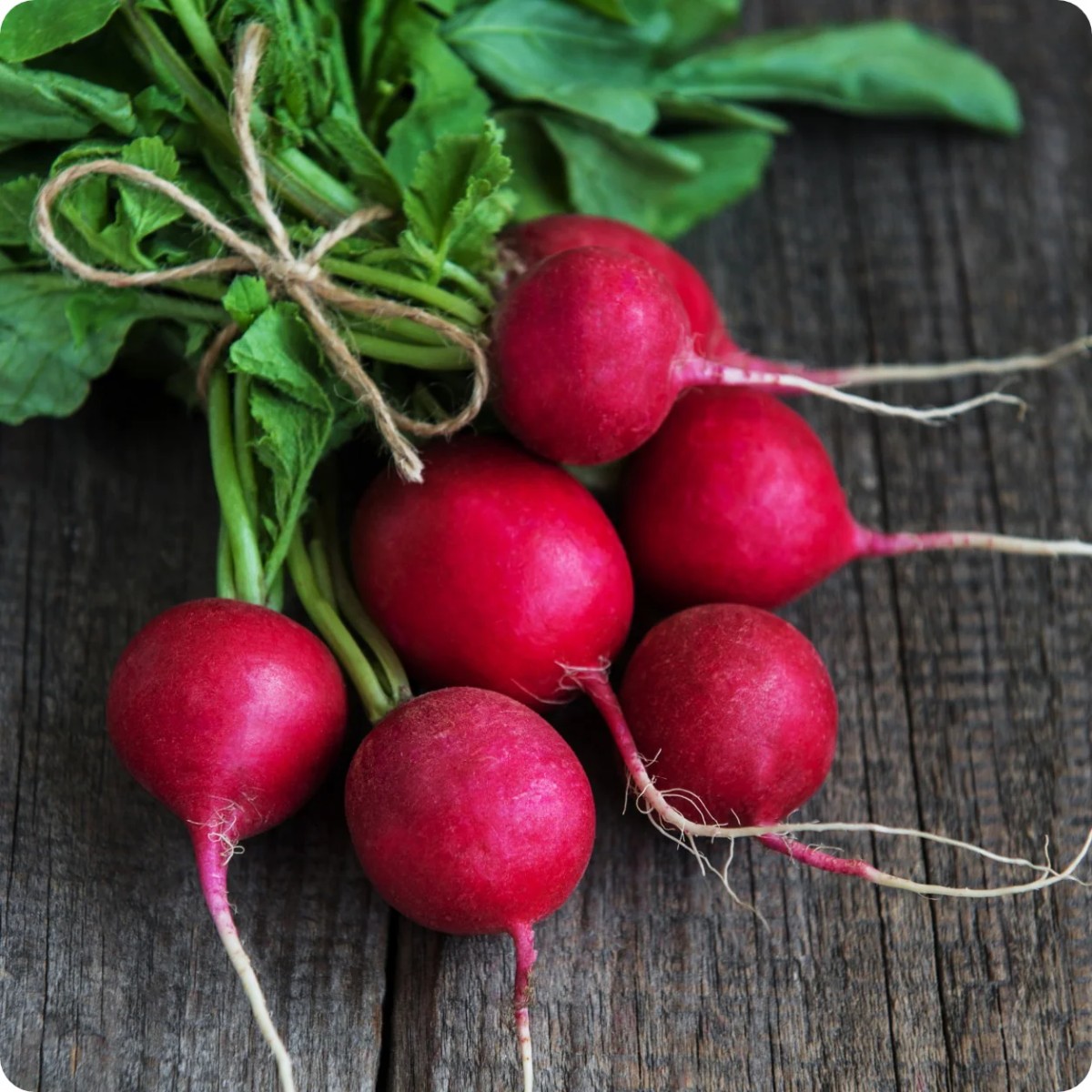
Radishes
Direct sow. Choose fast-maturing varieties for a late-season crop.
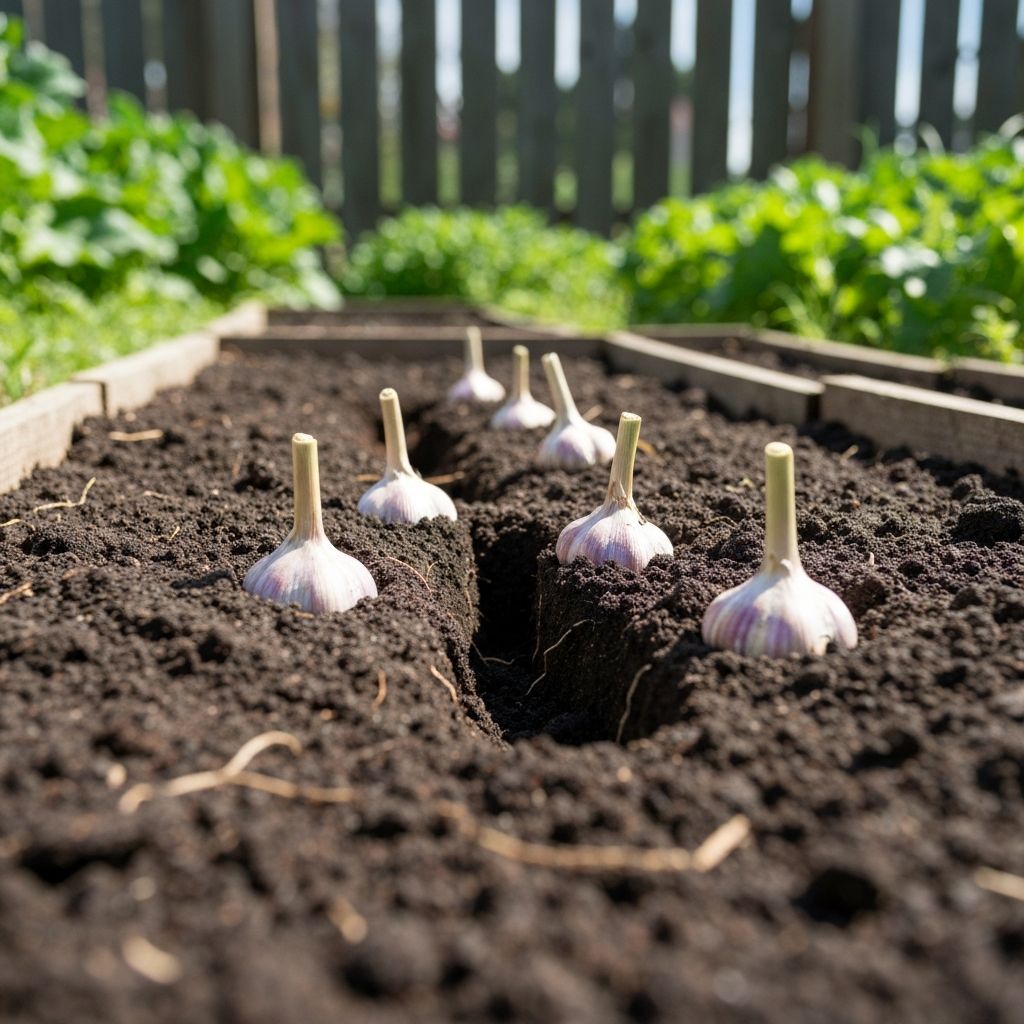
Garlic
Plant individual cloves, pointed end up, 5-10 cm deep. Requires a cold period to bulb.
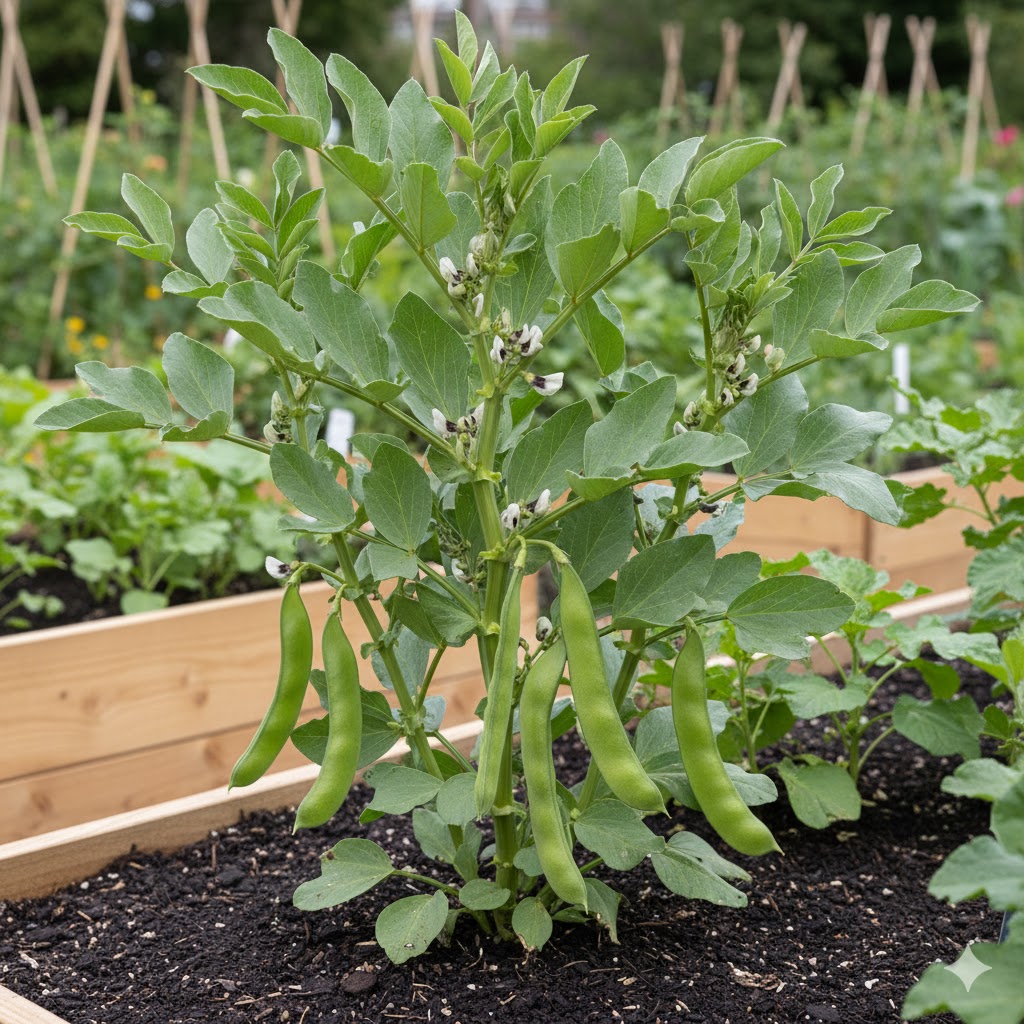
Broad Beans
Direct sow. Plant seeds 5-7 cm deep. Protect from severe frosts.
Winter Onions
Sow seeds or plant sets. Ensure good drainage to prevent rot.
Mâche (Lamb's Lettuce)
Direct sow. Can be harvested even under light snow cover.
Arugula (Rocket)
Direct sow. Protect from severe cold to extend harvest.
Mustard Greens
Direct sow. Can tolerate light frosts.
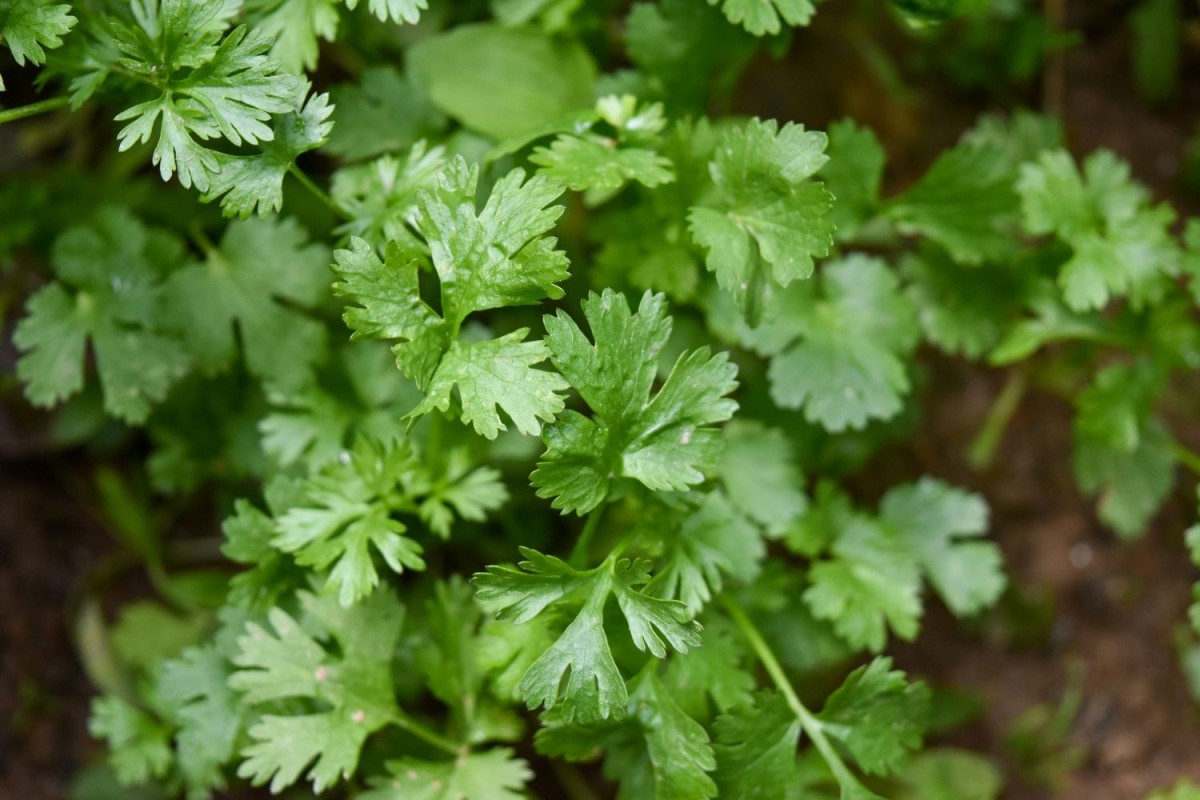
Parsley
Direct sow. Germination can be slow. Consider covering with fleece.
모종
모종
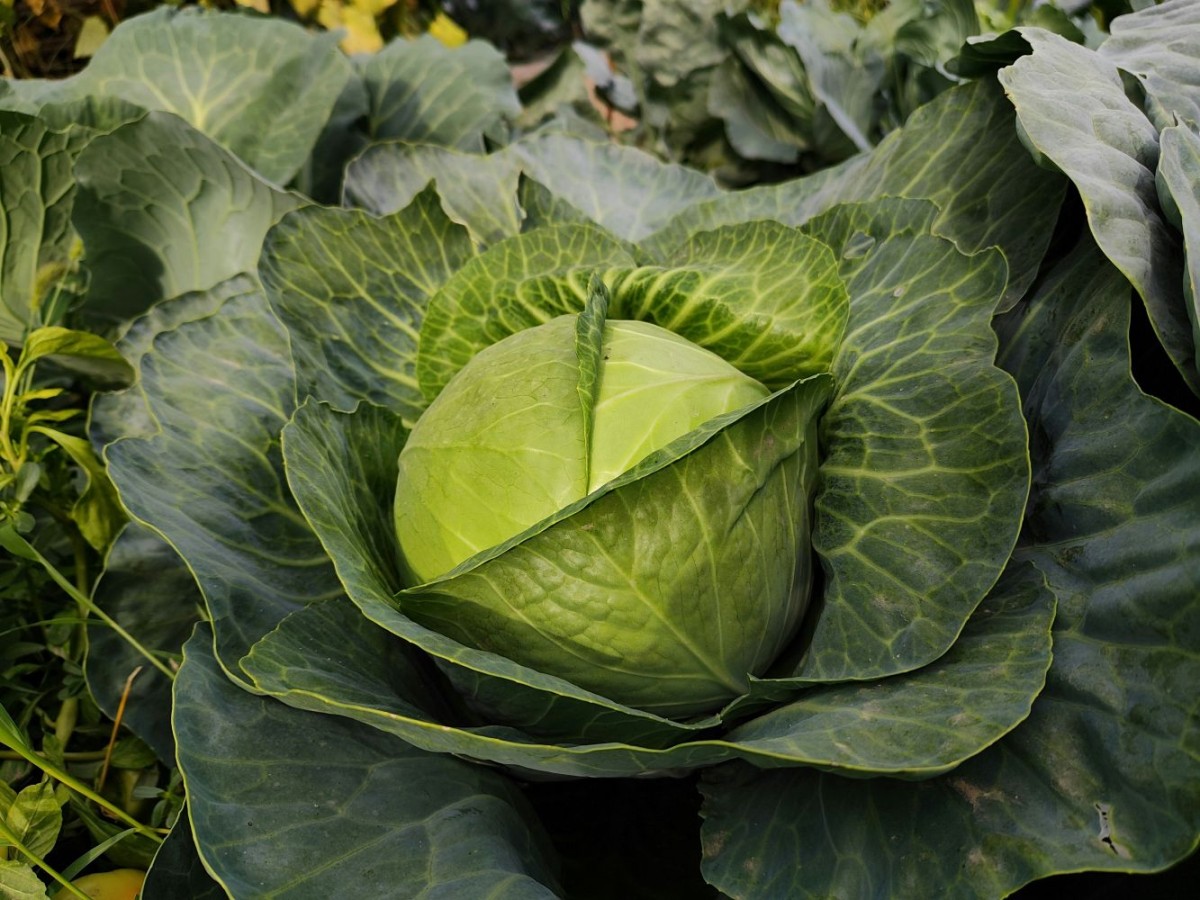
Cabbage
Transplant well-rooted seedlings into prepared beds. Ensure good spacing.
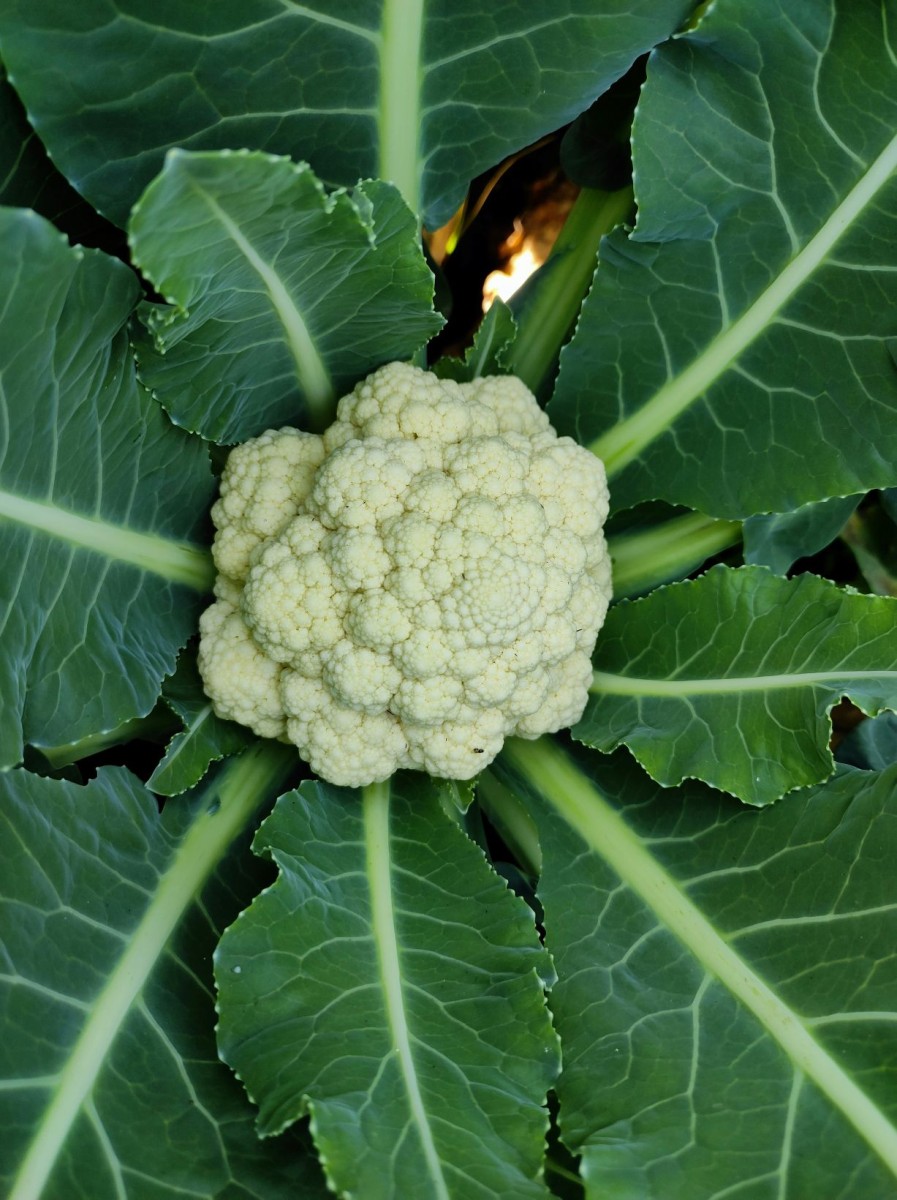
Cauliflower
Transplant strong seedlings. Protect from harsh frosts with cloches or fleece.
Tasks
Monthly tasks
In October, gardeners should focus on clearing spent crops and preparing beds for winter. Apply a layer of compost or well-rotted manure to improve soil structure. Protect tender plants with cloches or horticultural fleece as nighttime temperatures drop. Ensure good drainage in all beds to prevent waterlogging during increased rainfall. Harvest remaining summer crops before the first hard frost. Consider planting cover crops in empty beds to enrich the soil and prevent erosion.