What to plant in Potosí Department in June
June brings deep winter to the high-altitude Potosí Department, characterized by sub-zero nighttime temperatures averaging -3.7°C and extremely dry conditions with virtually no rainfall (0.7mm). Due to these severe frosts, outdoor cultivation is strictly limited to highly cold-tolerant crops, while warm-season crops are entirely forbidden as no upcoming months meet the temperature thresholds for protected seedbed anticipation.
Oflivio를 휴태하세요
앱을 다운로드하고 정원을 위한 맞춤형 추천을 받아보세요

파종
추천 파종
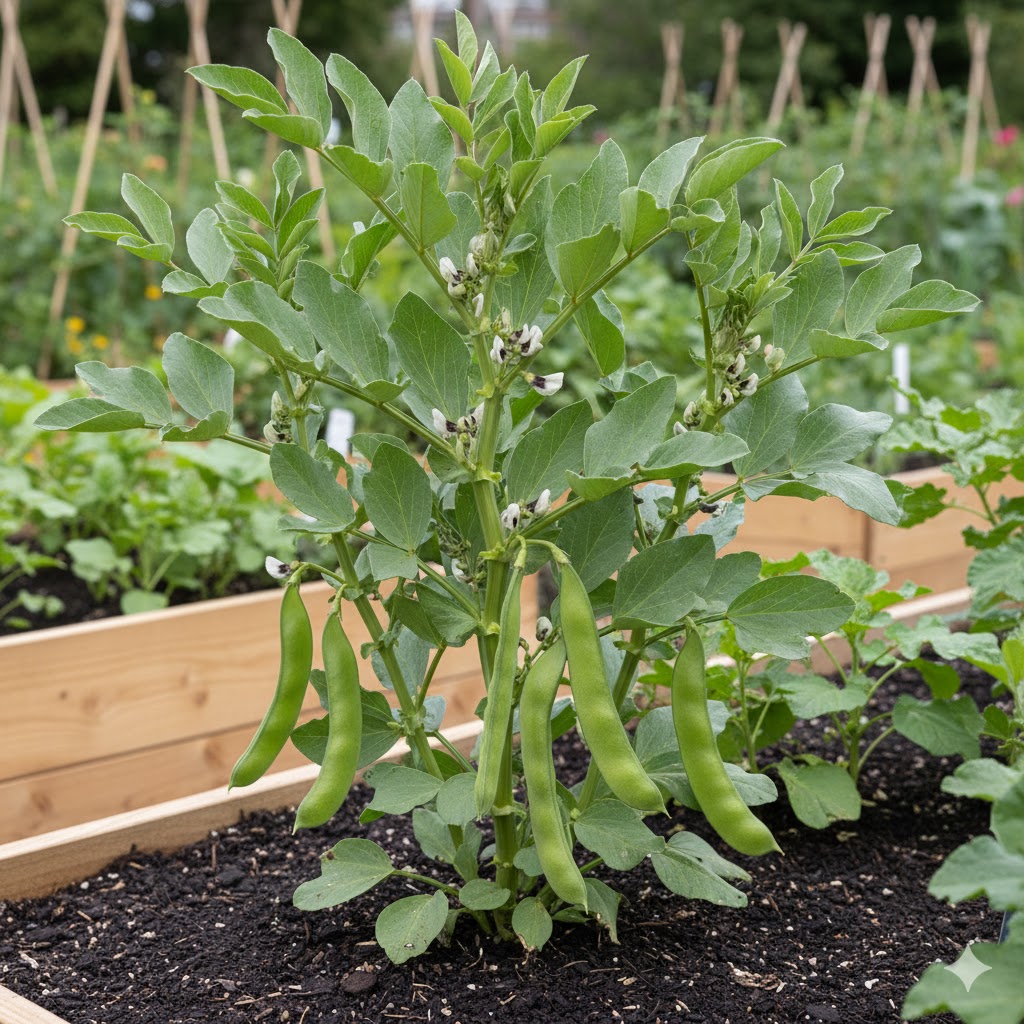
Broad Beans (Habas)
Sow directly outdoors. Protect young emerging shoots with heavy organic mulch to buffer freezing nighttime soil temperatures.
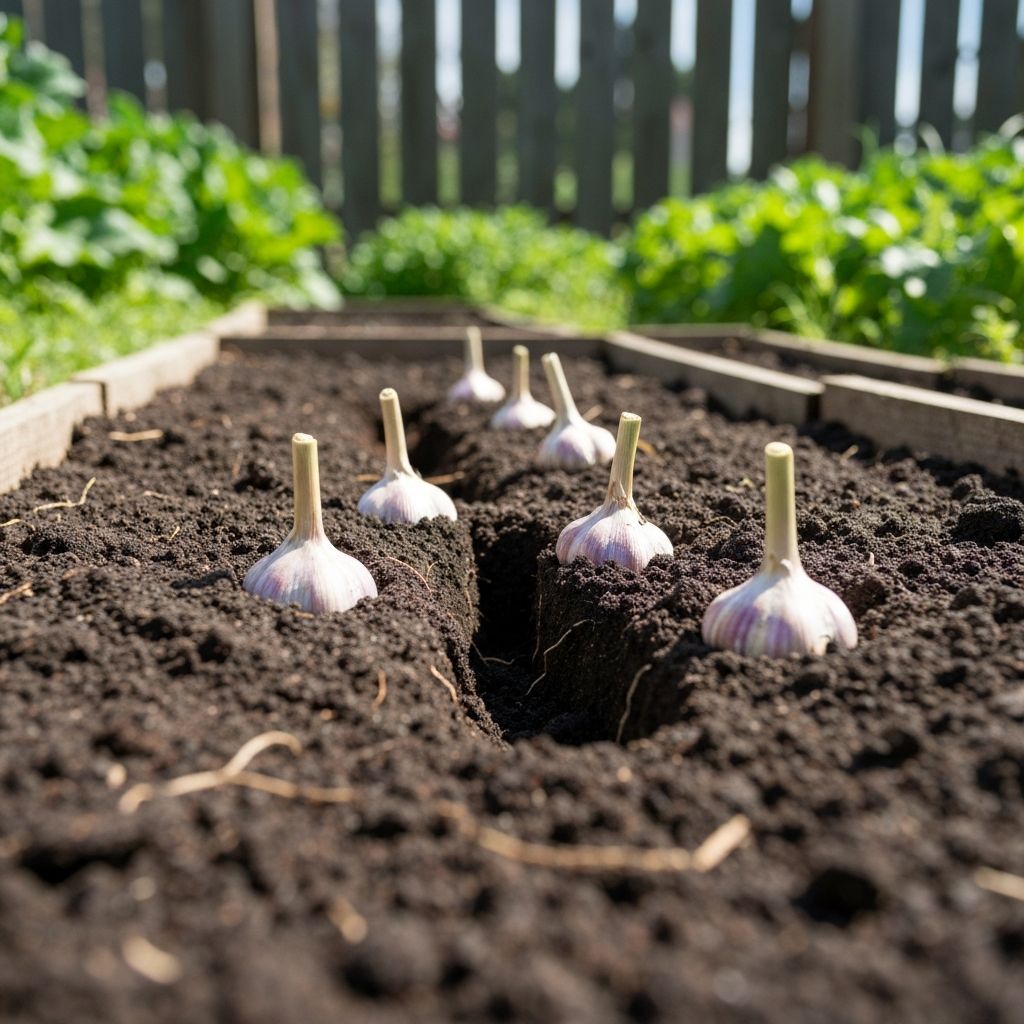
Garlic (Ajo)
Plant cloves directly into well-drained soil with the pointed end up. Cover with 5 cm of straw mulch to prevent soil frost-heaving.
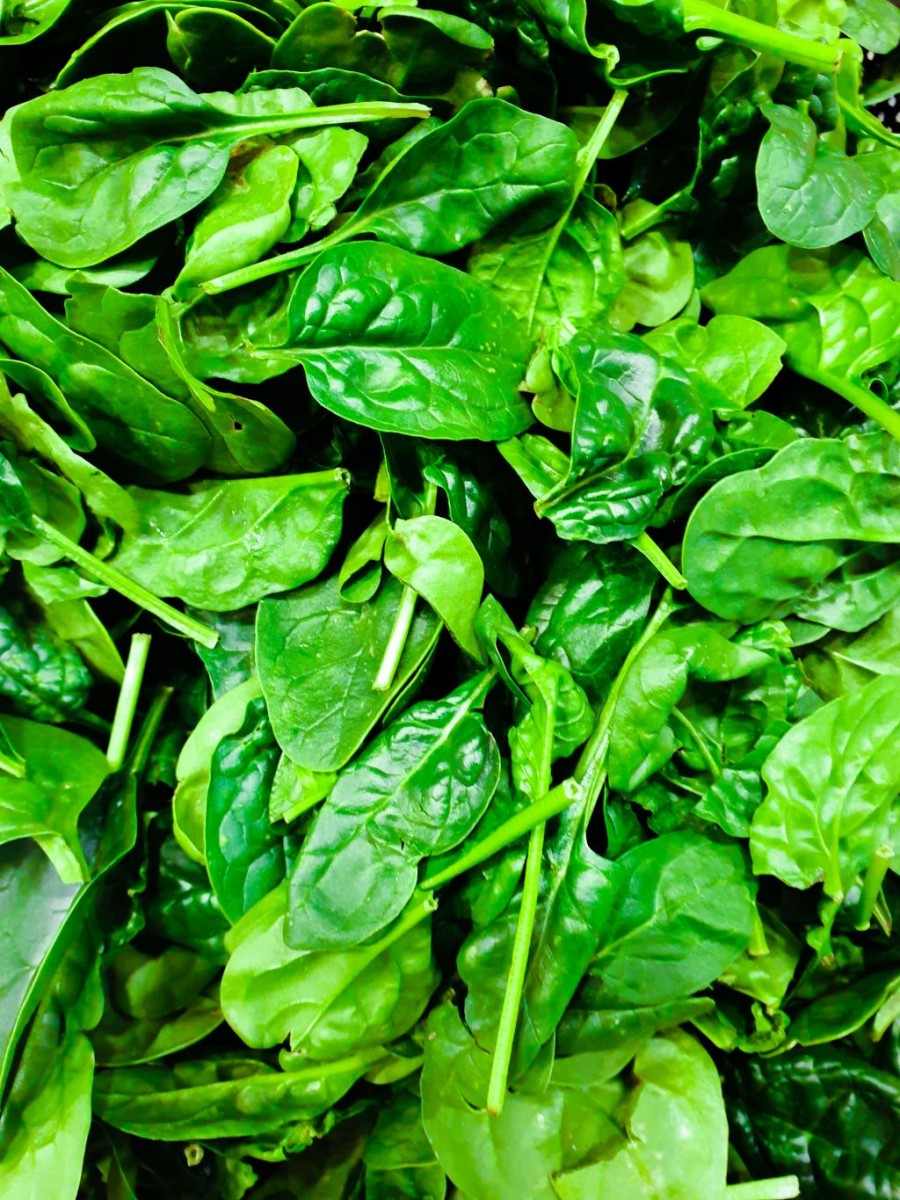
Spinach (Espinaca)
Sow in cold frames or under plastic micro-tunnels to protect the leaves from desiccating winter winds and severe frosts.
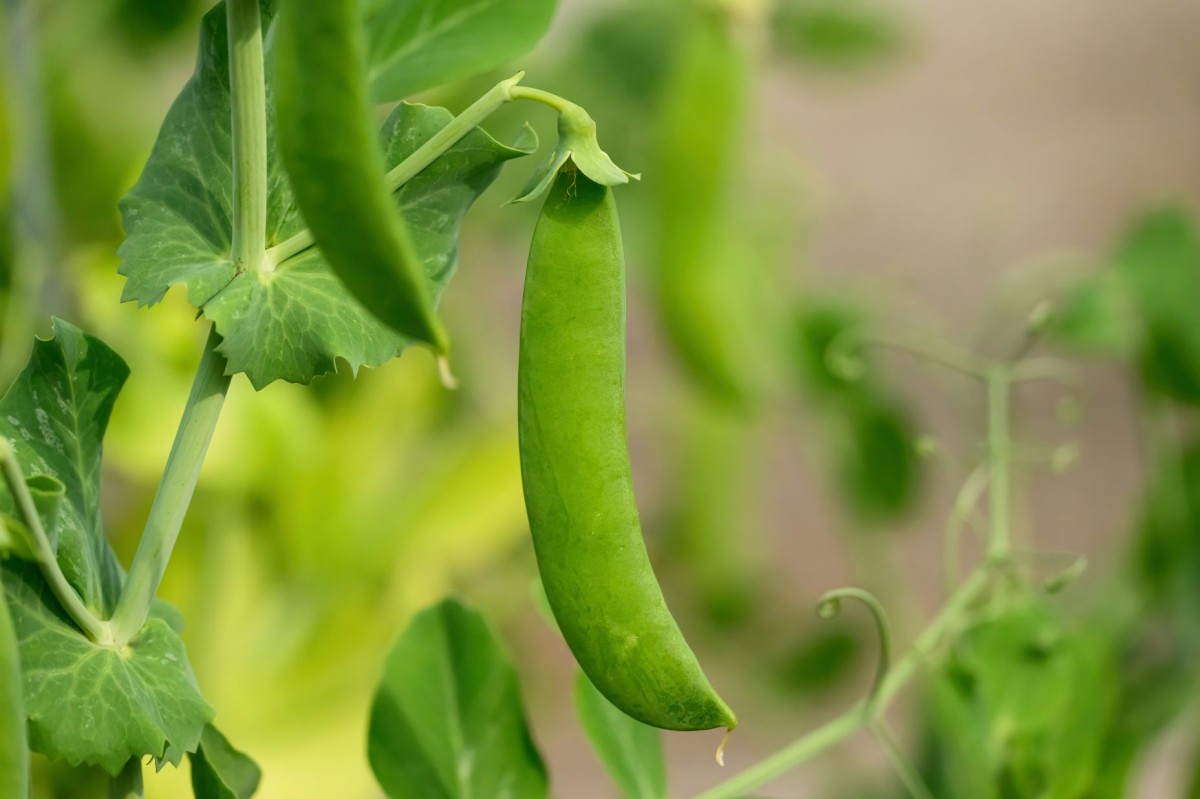
Peas (Arvejas)
Sow directly outdoors near supports. Young plants survive frosts but growth will be slow during June.
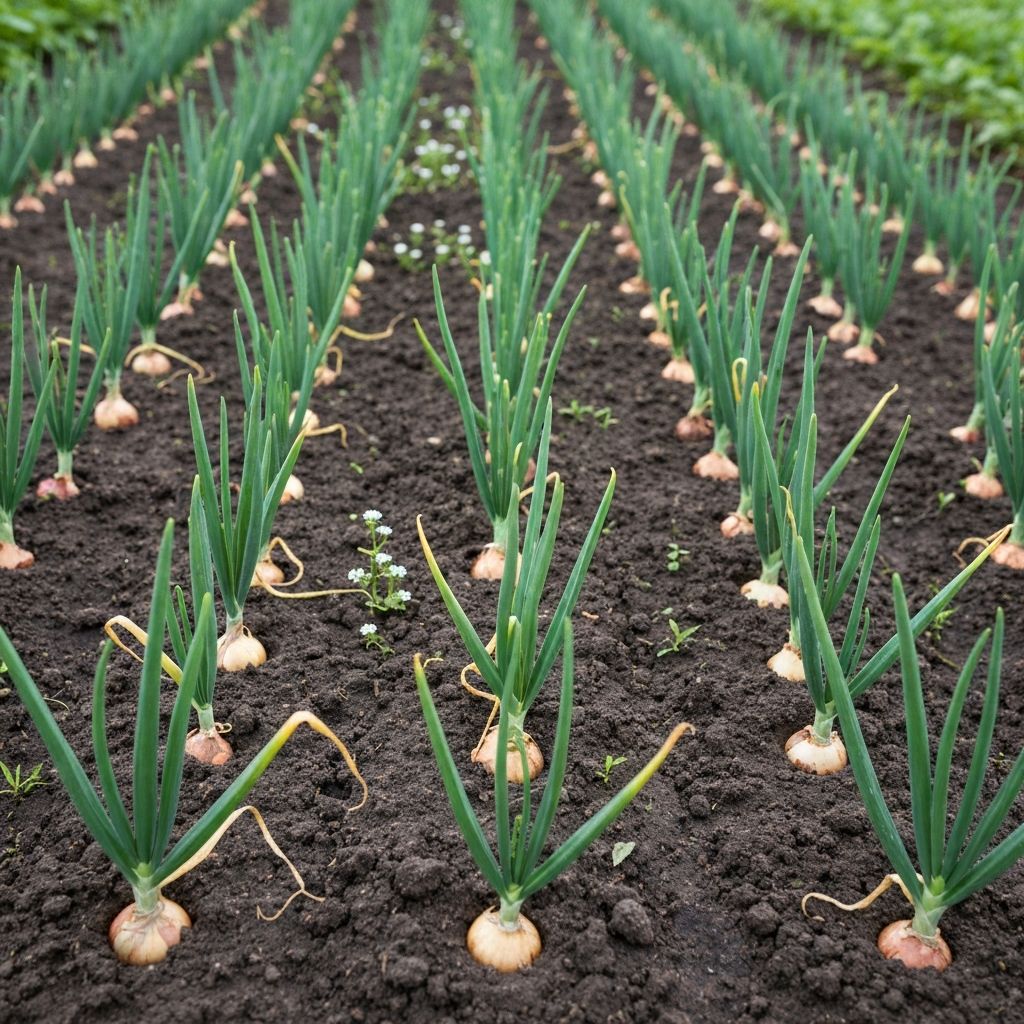
Onions (Cebolla)
Sow in protected outdoor seedbeds with frost cloth protection. Keep soil lightly moist.
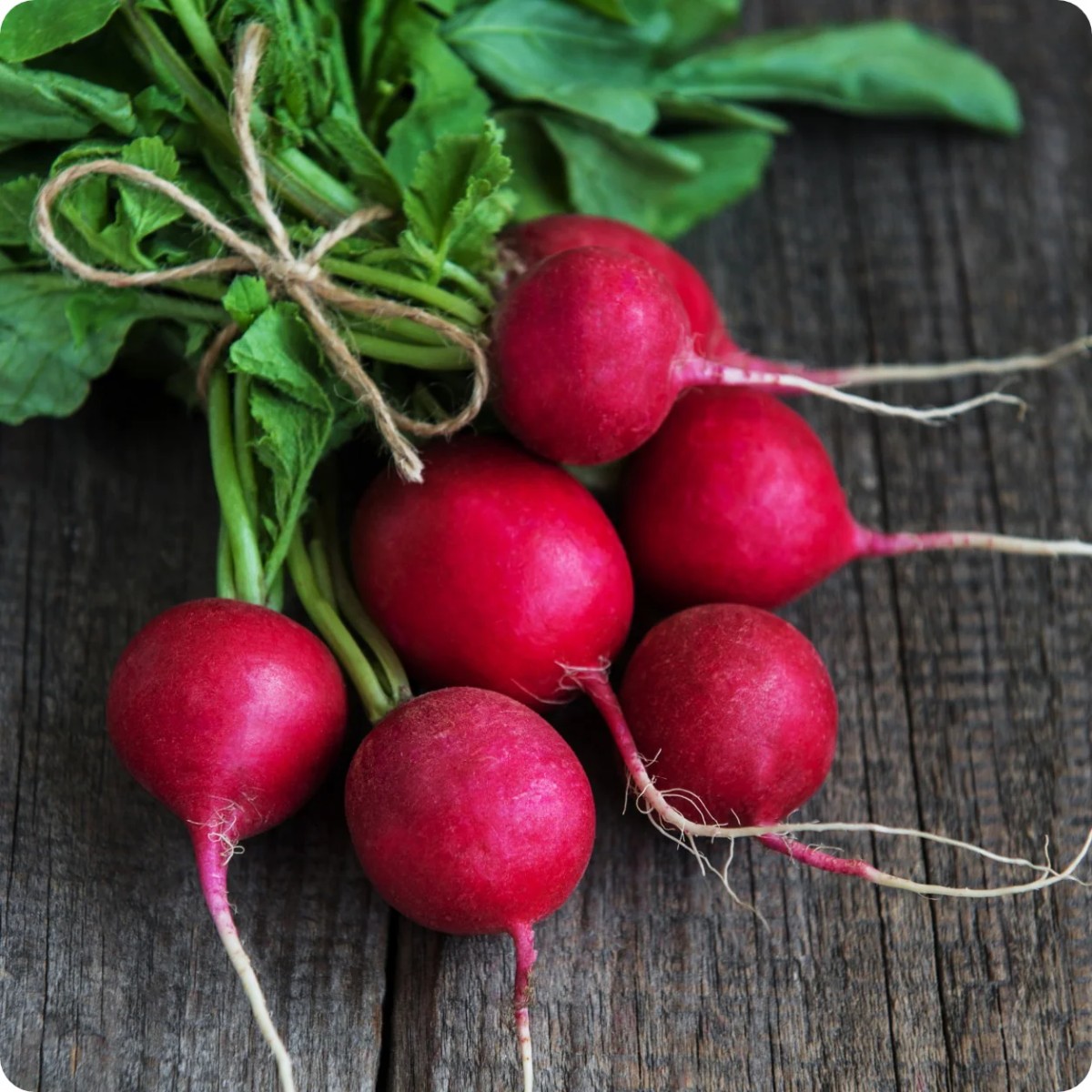
Radish (Rábano)
Sow directly under plastic tunnels or cold frames to accelerate germination in freezing conditions.
모종
모종
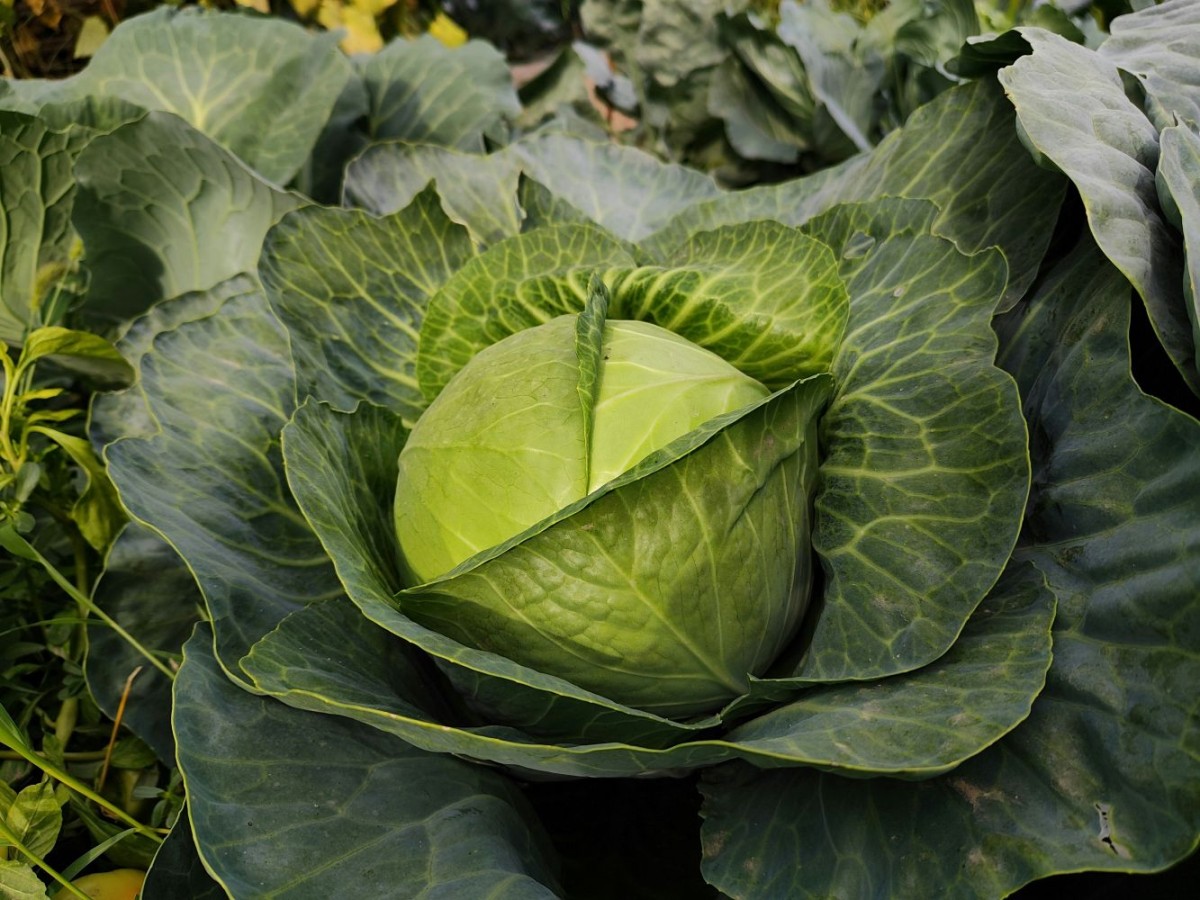
Cabbage (Repollo)
Transplant established, hardened-off seedlings outdoors. Use frost blankets on nights forecast to drop below -4°C to prevent leaf damage.
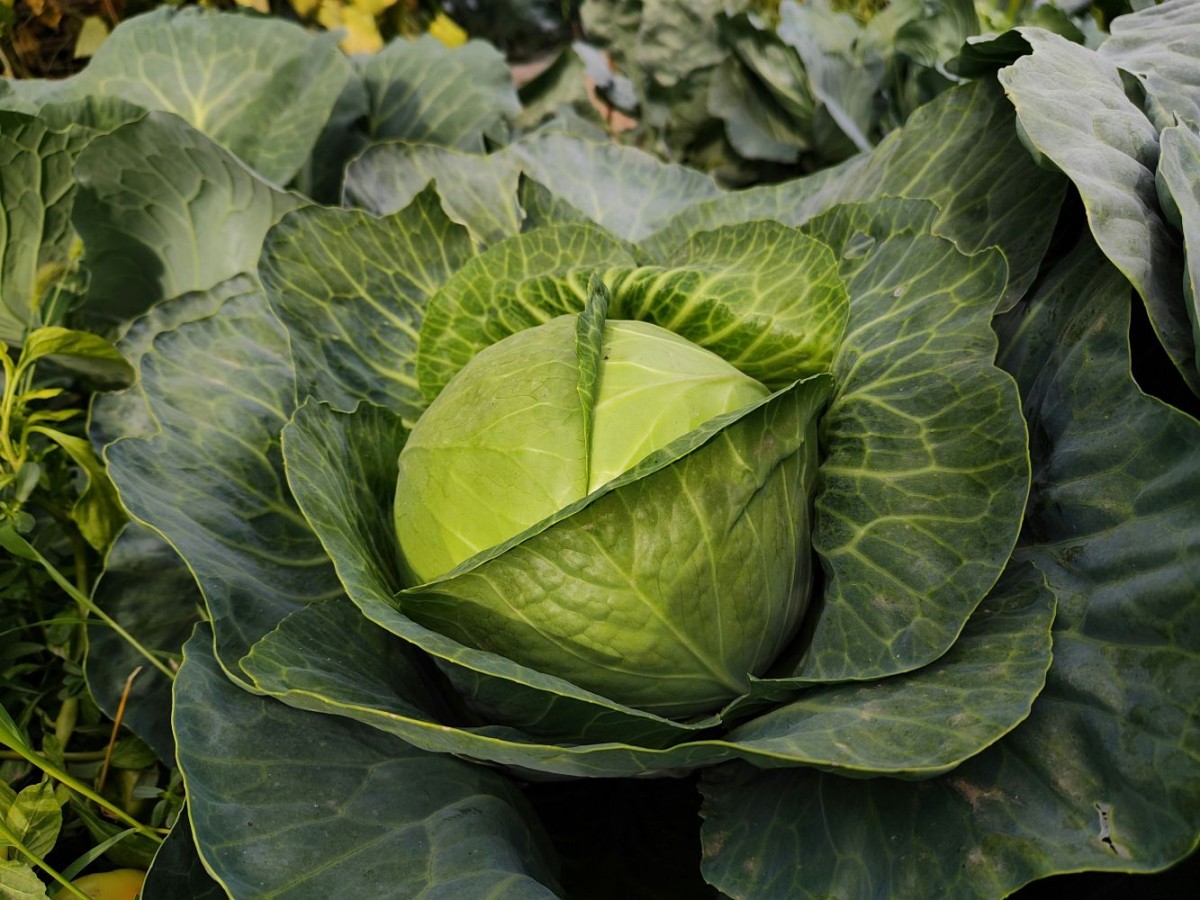
Kale (Col Rizada)
Transplant sturdy seedlings into garden beds. Mulch heavily around the base to protect the root zone from freezing.
Tasks
Monthly tasks
Apply a thick layer of organic mulch (straw, dry leaves, or compost) at least 5-10 cm deep to protect root zones from freezing. Utilize plastic micro-tunnels, cold frames, or frost cloths overnight to buffer against the -3.7°C average minimums. Avoid any soil cultivation when the ground is frozen to prevent damaging soil structure.