What to plant in Paraná in July
July brings mild winter conditions to Paraná, with average temperatures of 16.2°C and moderate rainfall of 64.9mm. This climate transitions into a warmer spring, allowing gardeners to sow a wide range of cool-season crops outdoors while starting warm-season varieties indoors under protection to anticipate the spring transplant window.
Oflivio를 휴태하세요
앱을 다운로드하고 정원을 위한 맞춤형 추천을 받아보세요

파종
추천 파종
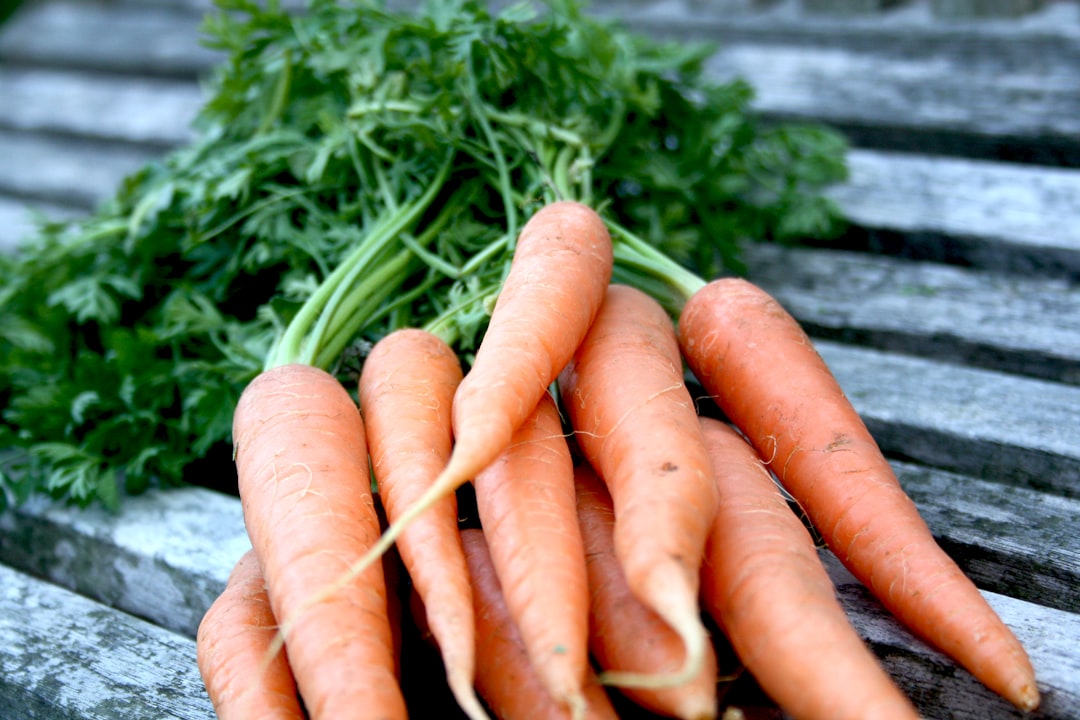
Carrot
Sow directly into loose, deeply tilled soil. Keep the soil surface moist until germination occurs.
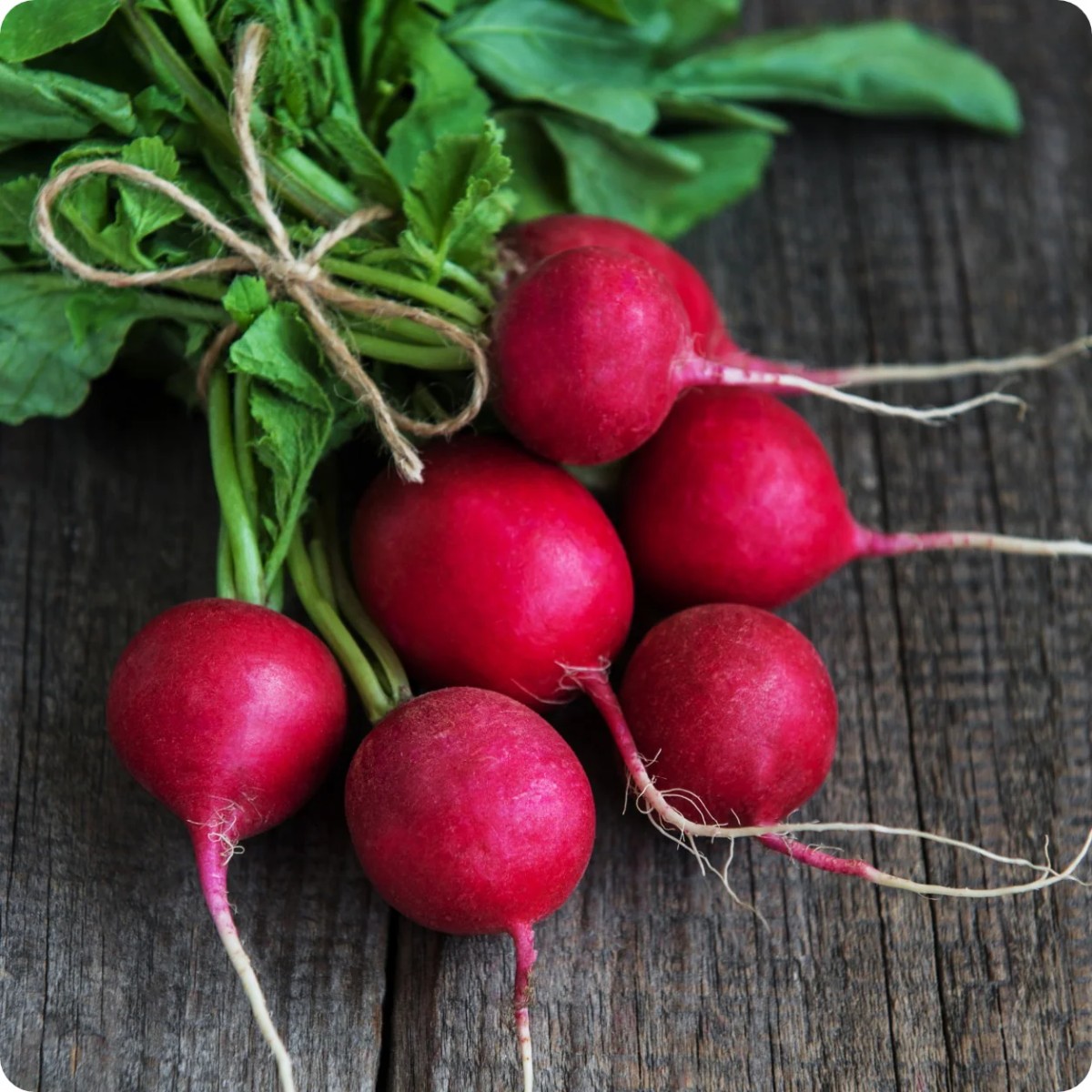
Radish
Sow in shallow furrows. Excellent for filling space between slower-growing winter crops.
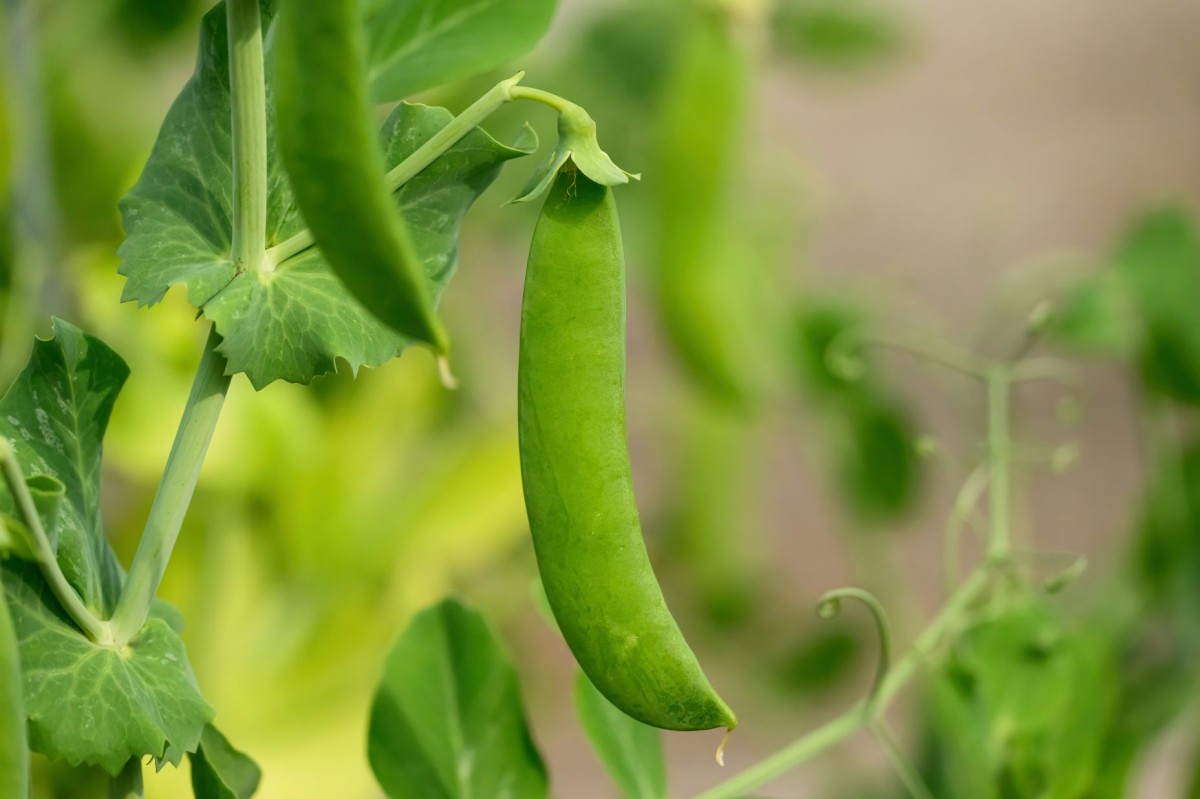
Peas
Provide a trellis or support structure at planting. Sowing now utilizes the cool winter months for optimal pod development.
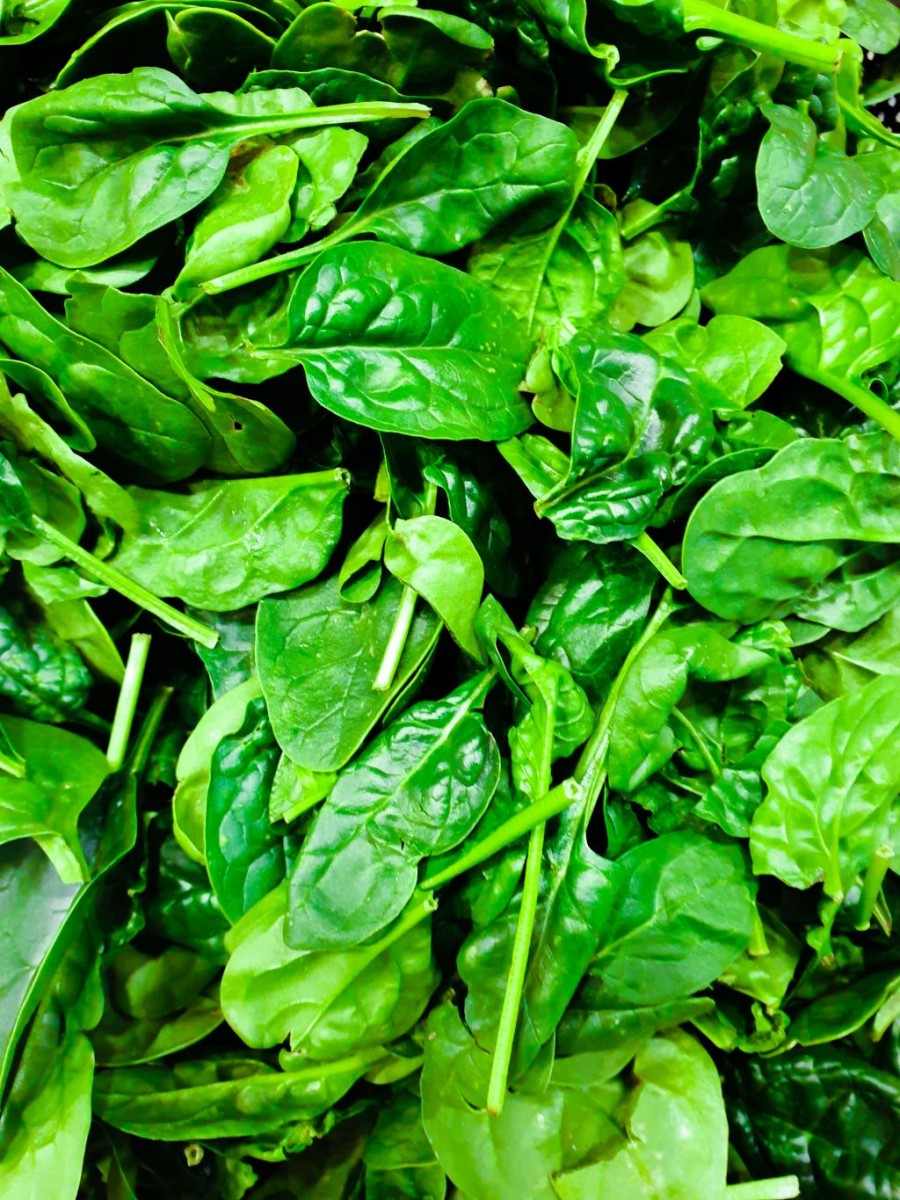
Spinach
Sow directly or in biodegradable pots. Keep soil consistently moist to prevent premature bolting.
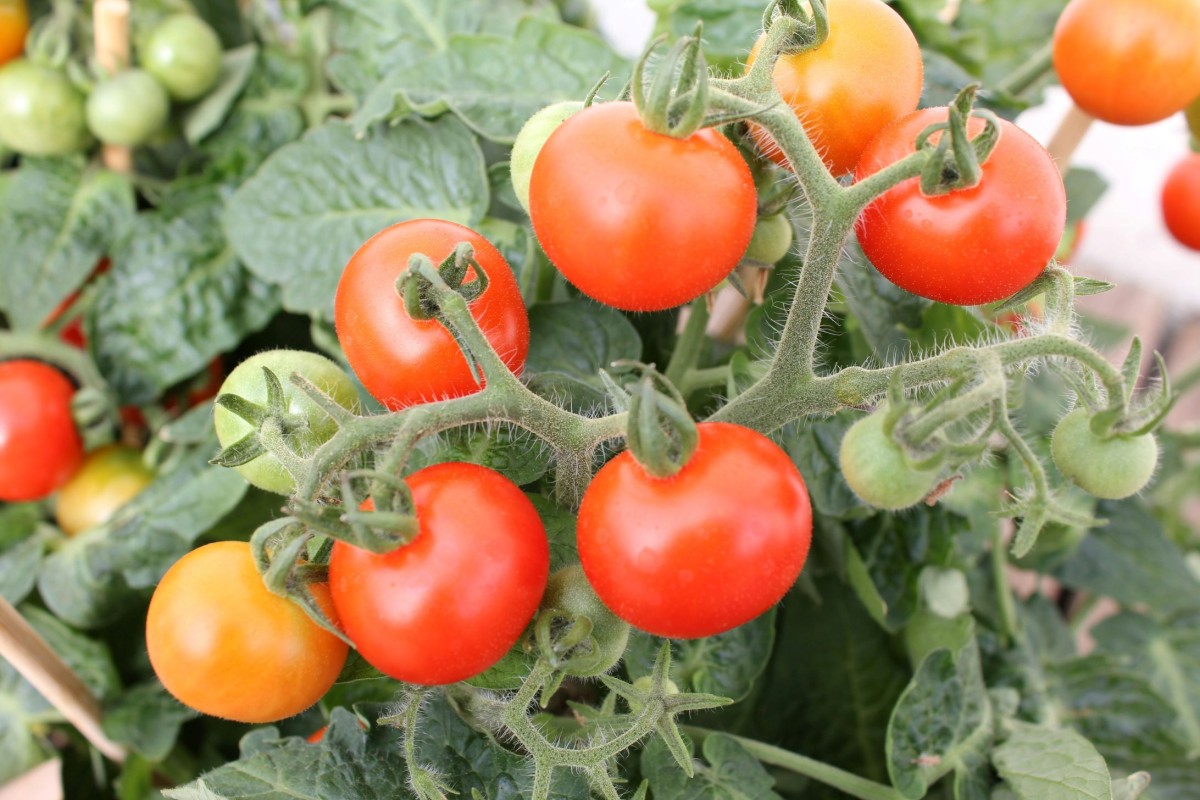
Tomato
Anticipation Rule applied: Sow indoors in protected seedbeds now. August and September averages (12.9°C to 15.8°C t_min) meet the threshold for safe outdoor transplanting in late spring.
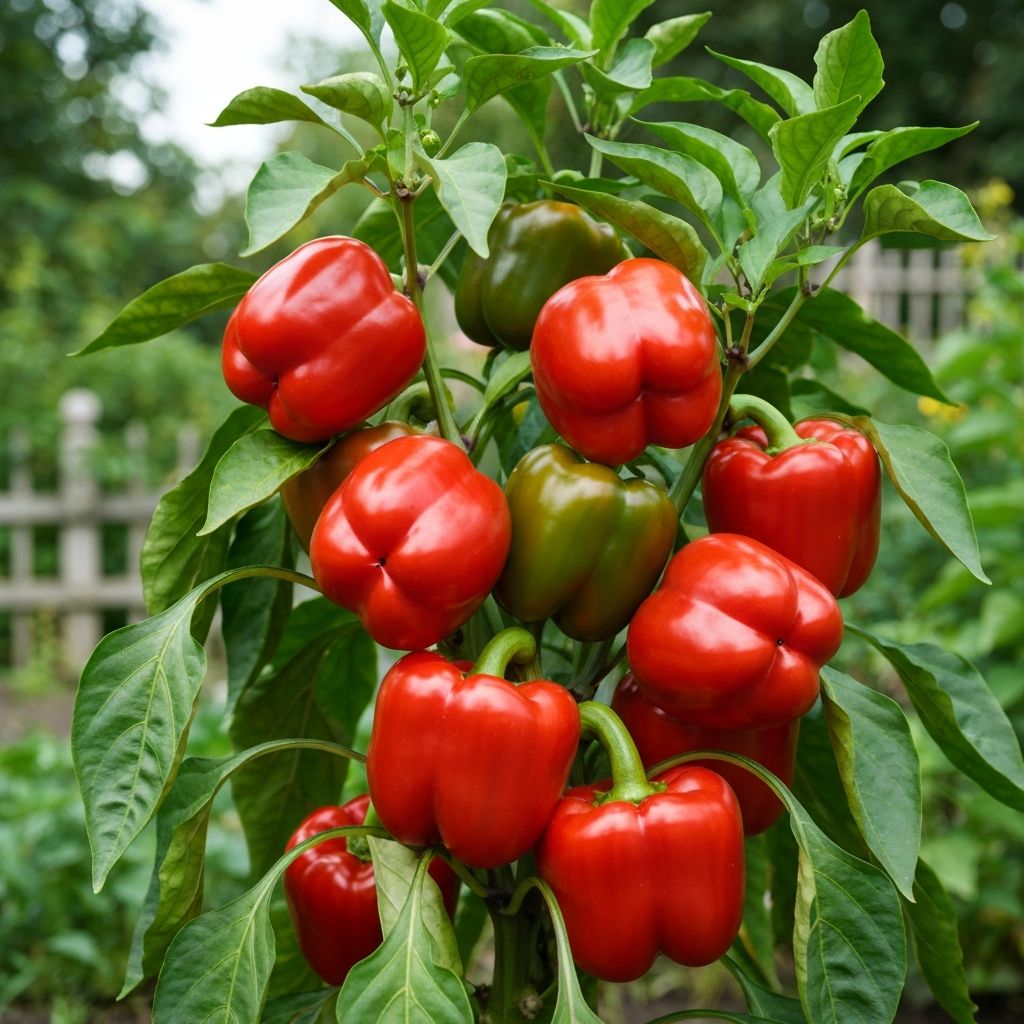
Bell Pepper
Anticipation Rule applied: Start indoors under plastic domes or in a greenhouse. Transplant outdoors only when soil warms up in September.
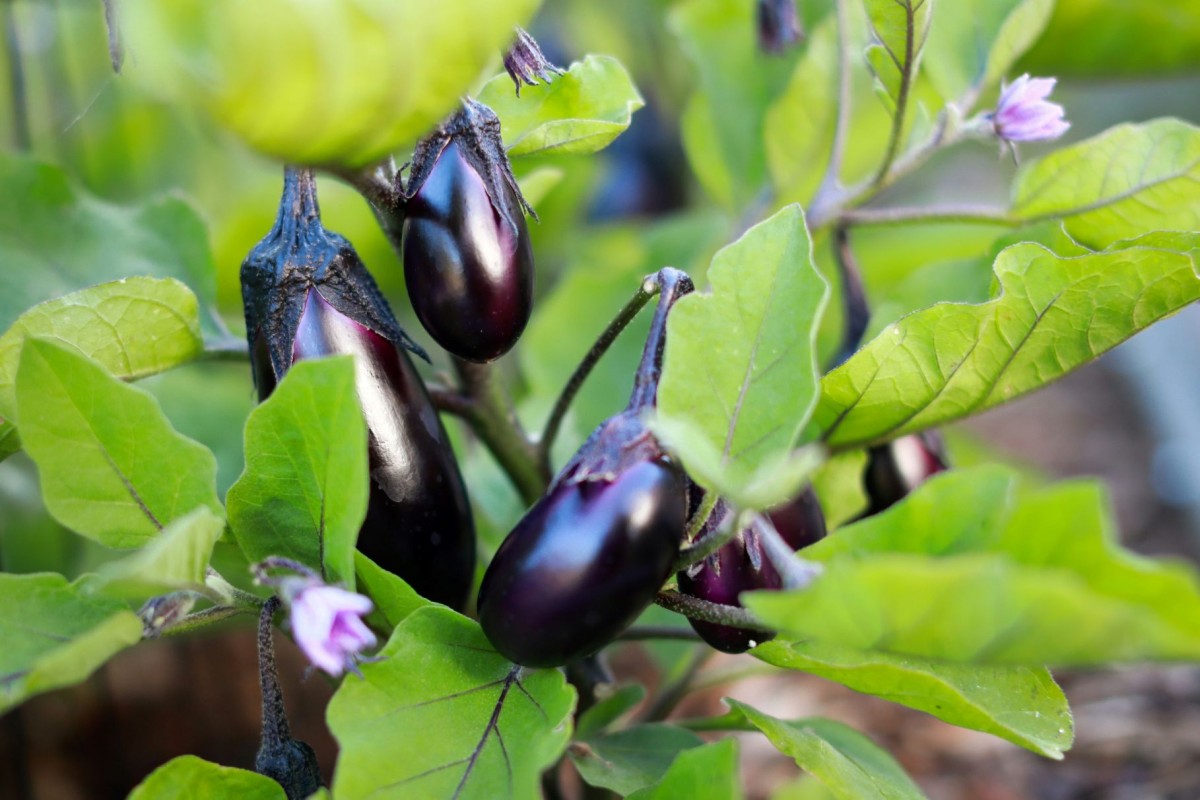
Eggplant
Anticipation Rule applied: Start indoors now. Eggplant seedlings grow slowly in cool weather and require protection until late August.
모종
모종
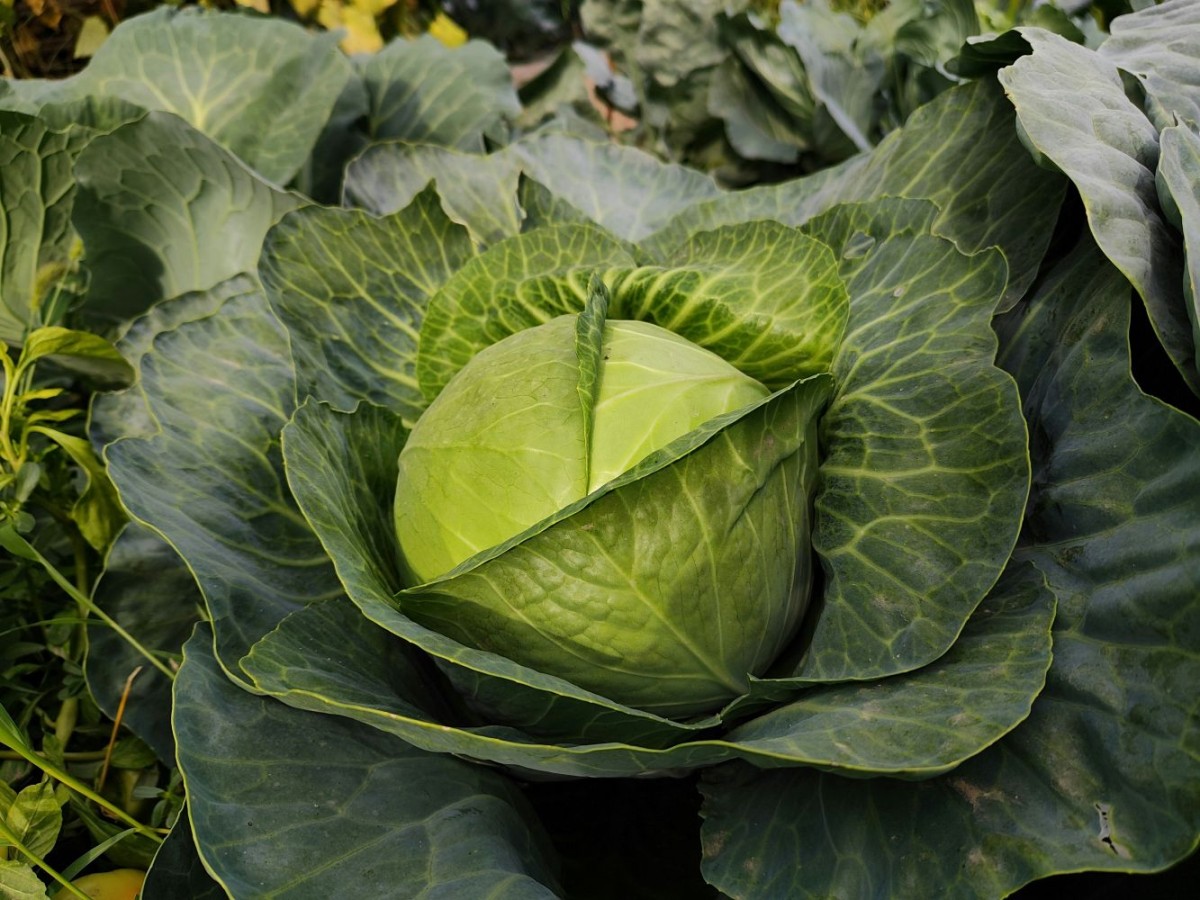
Cabbage
Transplant sturdy seedlings with 4-6 true leaves. Space plants 40cm apart to allow for head expansion.
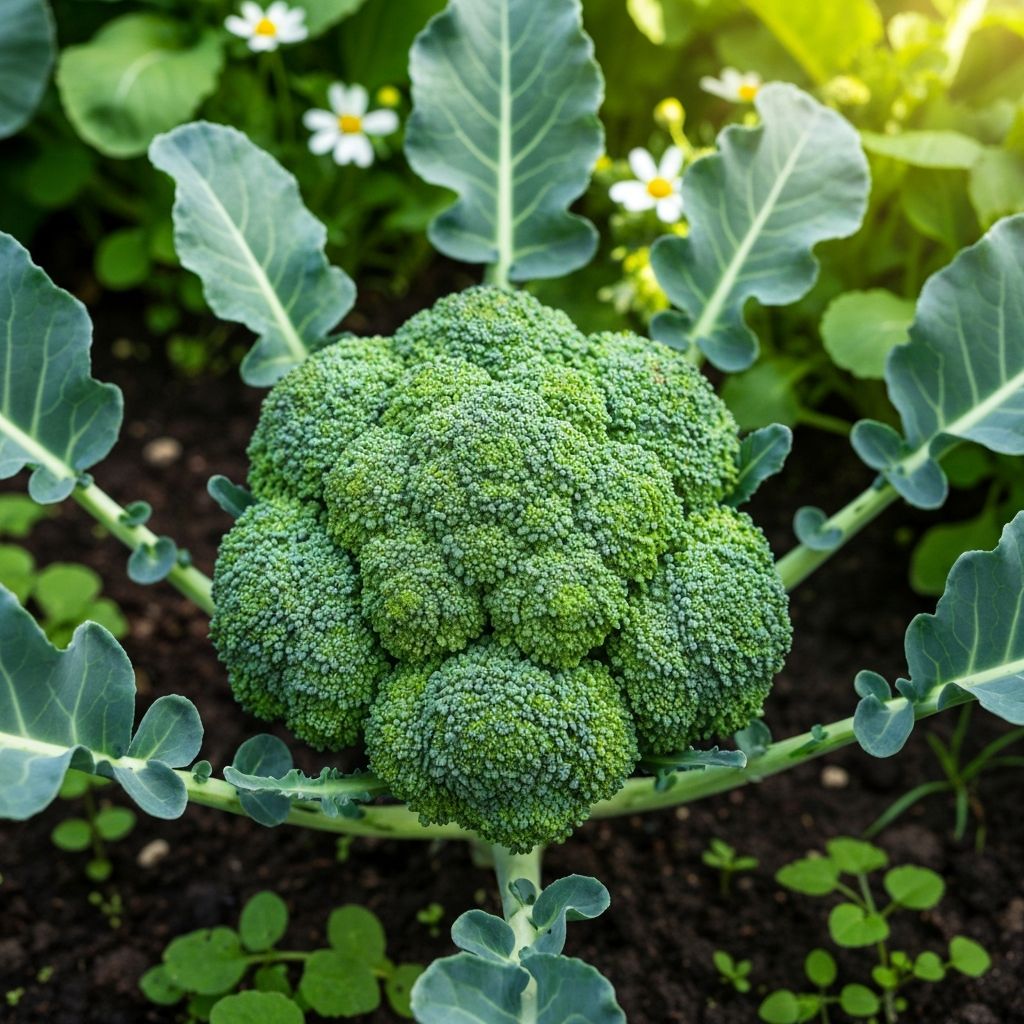
Broccoli
Transplant into soil rich in organic matter. Mulch around the base to retain soil moisture and stabilize root temperatures.
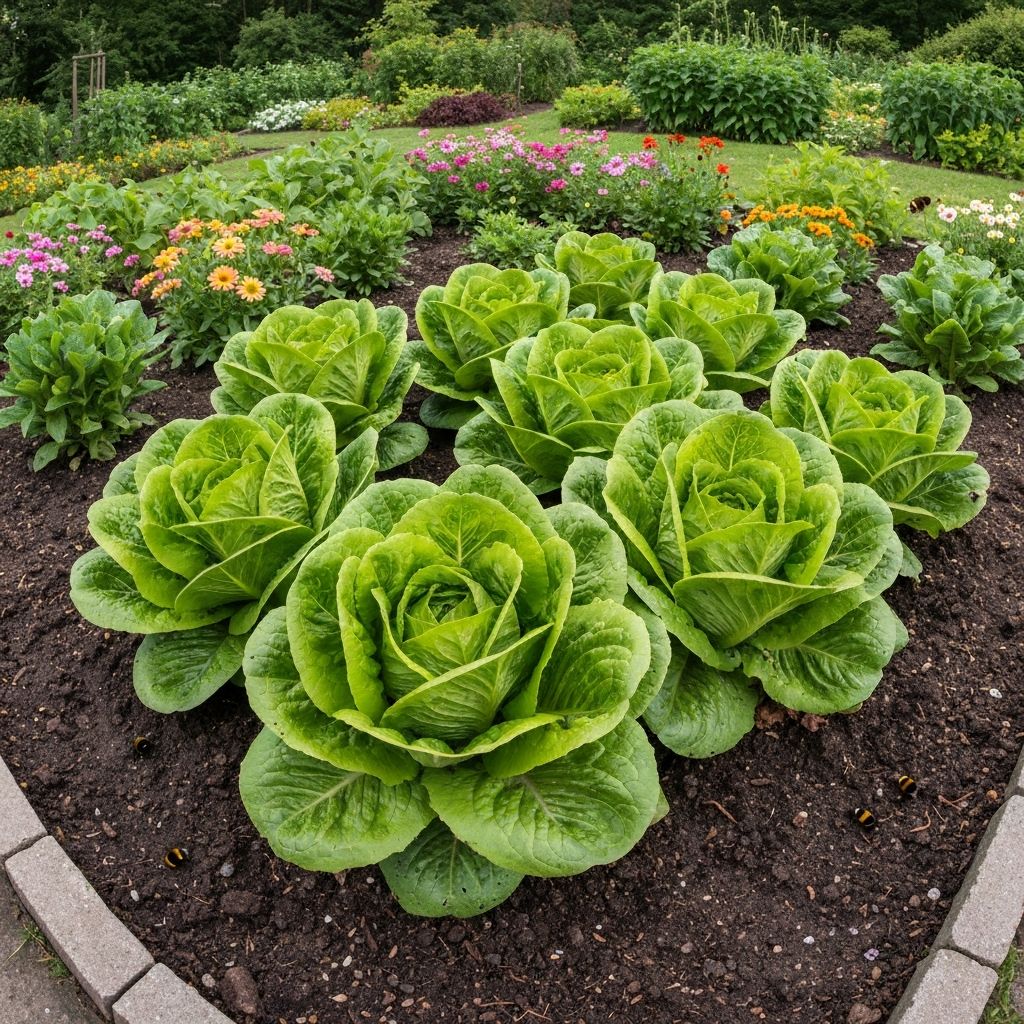
Lettuce
Transplant in the late afternoon to reduce transplant shock. Ensure the crown is not buried.
Tasks
Monthly tasks
Prepare garden beds for spring by incorporating well-rotted manure or compost. Apply organic mulch (such as dry grass or straw) to protect soil biology from occasional cold winds and to conserve moisture. Monitor for winter pests like aphids and slugs, which thrive in damp, mild conditions.